
When business owners say "I need to sell my business," they're often standing at a crossroads that represents years of hard work, strategic decisions, and emotional investment. Whether driven by retirement, partnership changes, market opportunities, or personal circumstances, selling a business is one of the most significant financial transactions an entrepreneur will undertake. The traditional M&A process can feel overwhelming, with its emphasis on public listings, aggressive intermediaries, and a race to close deals rather than finding the right strategic fit. Understanding your options and preparing strategically can transform this challenging transition into a rewarding exit that protects your legacy while maximizing value.
Understanding Why You Need to Sell Your Business
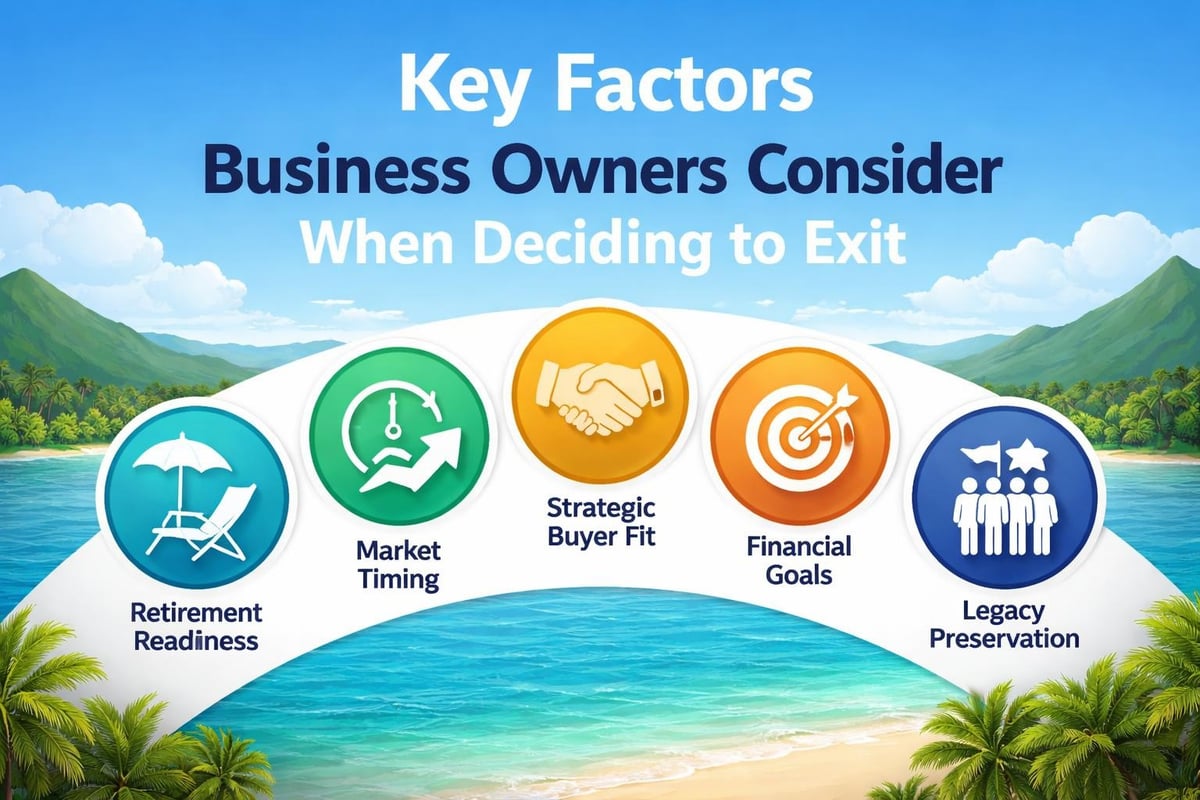
The decision to exit your business rarely emerges overnight. Most owners spend months or even years contemplating the right timing and approach.
Common motivations include:
- Retirement planning and succession concerns
- Health issues requiring immediate attention
- Market conditions creating favorable valuation multiples
- Partnership disputes or changes in ownership structure
- Burnout from operational demands
- Desire to pursue new ventures or opportunities
- Family circumstances requiring liquidity
Each motivation carries different urgency levels and influences how you should approach the sale process. When you need to sell my business due to retirement, you typically have more control over timing and can be selective about buyers. Conversely, urgent situations may require faster timelines but shouldn't compromise finding a buyer who understands your company's value proposition.
The U.S. Small Business Administration provides essential guidance on the fundamental steps involved in closing or selling a business, emphasizing the importance of proper documentation and valuation methods.
The Emotional Component of Selling
Beyond financial considerations, selling represents an identity shift for many founders. Your business may have defined your professional life for decades. Acknowledging these emotions helps you make clearer decisions about what matters most: price, buyer values, employee retention, or legacy preservation.
Preparing Your Business for a Successful Sale
Preparation separates successful exits from disappointing transactions. When you need to sell my business, the groundwork you establish determines both valuation and buyer quality.
Financial Documentation and Organization
Buyers conduct extensive due diligence, examining everything from tax returns to customer contracts. Clean, organized financial records accelerate the process and build buyer confidence.
| Financial Document | Purpose | Typical Timeframe |
|---|---|---|
| Tax Returns | Verify reported income | 3-5 years |
| Profit & Loss Statements | Demonstrate profitability trends | 3-5 years |
| Balance Sheets | Show asset and liability positions | Current + 3 years |
| Cash Flow Statements | Prove liquidity and operational efficiency | 3 years |
| Customer Contracts | Validate recurring revenue | All active agreements |
| Vendor Agreements | Assess operational dependencies | All material relationships |
The U.S. Chamber of Commerce outlines an eight-step preparation plan that includes setting clear goals and organizing financial documentation well before listing your business.
Operational Optimization
Buyers pay premium multiples for businesses that run smoothly without owner dependency. Document standard operating procedures, strengthen your management team, and demonstrate that revenue doesn't rely solely on your personal relationships. These improvements not only increase valuation but also make the transition smoother for the acquiring party.
Valuation: Determining What Your Business Is Worth
Understanding your business's true market value prevents unrealistic expectations and positions you for productive negotiations. When owners say "I need to sell my business," they often overestimate value based on emotional attachment rather than market fundamentals.
Common Valuation Methods
Professional valuators typically employ multiple approaches:
- Asset-Based Valuation: Calculates net asset value, suitable for asset-heavy businesses
- Income-Based Valuation: Uses discounted cash flow or capitalization of earnings
- Market-Based Valuation: Compares to similar businesses recently sold
- EBITDA Multiples: Industry-specific multiples applied to earnings before interest, taxes, depreciation, and amortization
Lower middle-market businesses typically trade between 3x to 6x EBITDA, though multiples vary significantly by industry, growth rate, and competitive positioning. Business.com discusses key considerations including valuation methods and the importance of maintaining confidentiality throughout the sales process.
Finding the Right Buyer Through Strategic Matching
The traditional M&A process often prioritizes speed and broad exposure over strategic fit. Business owners who need to sell my business quickly may list with brokers who blast information to hundreds of potential buyers, compromising confidentiality and employee morale.
The Strategic Fit Advantage
Modern platforms like Aligned IQ M&A have transformed this approach by prioritizing strategic compatibility before diving into detailed negotiations. This proprietary matching process connects business sellers with qualified buyers based on:
- Transaction size and structure preferences
- Industry expertise and operational experience
- Strategic priorities and growth objectives
- Cultural alignment and management philosophy
- Geographic considerations and integration capabilities
A typical scenario involves a manufacturing business owner seeking retirement. Rather than broadcasting availability publicly, they create a confidential profile outlining their ideal buyer characteristics. The platform's matching algorithm identifies acquisition-focused companies and private equity groups with relevant manufacturing experience, desired deal size, and complementary strategic goals.
Maintaining Confidentiality Throughout the Process
When you need to sell my business, protecting confidentiality is critical. Premature disclosure can:
- Destabilize employee morale and trigger key talent departures
- Concern customers about continuity and service quality
- Alert competitors to potential vulnerabilities
- Weaken negotiating position with buyers
Aligned IQ M&A's semi-proprietary platform ensures that sellers control information flow, revealing identity and sensitive details only to pre-qualified, matched buyers who have demonstrated genuine interest and capability.

Navigating the Due Diligence Process
Once you've identified potential buyers through strategic matching, due diligence begins. This intensive investigation phase examines every aspect of your business to validate claims and identify risks.
What Buyers Examine During Due Diligence
The scope varies by industry and deal size, but comprehensive due diligence typically covers:
- Financial Performance: Historical results, projections, working capital needs
- Legal Compliance: Corporate structure, contracts, litigation history, regulatory adherence
- Operations: Supply chain, production capacity, quality control systems
- Human Resources: Employee agreements, benefit plans, key person dependencies
- Technology: Intellectual property, systems infrastructure, data security
- Commercial: Customer concentration, market position, competitive threats
Streamlining Due Diligence with Virtual Data Rooms
Traditional due diligence involved physical data rooms with bankers' boxes of documents. Modern transactions rely on virtual data rooms (VDRs) that provide secure, organized access to sensitive information.
Aligned IQ VDR offers a competitively priced solution specifically designed for lower middle-market transactions. Business owners who need to sell my business can benefit from several advantages:
| Feature | Benefit | Value for Sellers |
|---|---|---|
| Document Organization | Structured folders mirror due diligence categories | Buyers find information quickly, reducing delays |
| Access Controls | Granular permissions by user and document | Protect sensitive data while maintaining transparency |
| Activity Tracking | Monitor which documents buyers review | Gauge interest levels and anticipate questions |
| Q&A Management | Centralized communication thread | Eliminate scattered email chains |
| Compliance Features | Audit trails and security certifications | Meet regulatory requirements efficiently |
Sellers using Aligned IQ M&A receive complimentary access to Aligned IQ VDR after completing a match. Other market participants can access competitive VDR pricing designed specifically for the unique needs of lower middle-market deals.
The platform supports M&A advisors, investment bankers, and other service providers throughout the transaction lifecycle. Understanding data room costs helps sellers budget appropriately and avoid the premium pricing that enterprise-focused providers charge.
Structuring the Deal to Meet Your Objectives
Transaction structure significantly impacts post-sale outcomes. When you need to sell my business, understanding various deal structures helps you negotiate terms that align with your financial and personal goals.
Common Transaction Structures
Asset Sale vs. Stock Sale
- Asset sales allow buyers to select specific assets and avoid certain liabilities, but may trigger higher taxes for sellers
- Stock sales transfer entire entity ownership, often more tax-efficient for sellers but require buyers to assume all liabilities
Payment Structures
- All-cash deals provide immediate liquidity but may result in lower purchase prices
- Seller financing demonstrates confidence in business sustainability and can bridge valuation gaps
- Earnouts tie portions of purchase price to future performance, aligning seller and buyer interests
- Equity rollovers allow sellers to participate in future growth under new ownership
Negotiating Beyond Price
While purchase price receives the most attention, other terms significantly impact your exit success:
- Non-compete agreements and duration
- Transition period length and compensation
- Employee retention requirements
- Working capital adjustments
- Indemnification caps and survival periods
- Escrow holdbacks and release conditions
Leveraging M&A Service Providers
Professional advisors bring expertise that most business owners lack for this once-in-a-career transaction. When you need to sell my business, assembling the right team protects your interests throughout the process.
Essential Advisory Roles
Business Brokers and M&A Advisors
These professionals market your business, qualify buyers, manage negotiations, and coordinate the transaction process. Quality varies significantly, so evaluate:
- Industry-specific experience and track record
- Fee structure (retainer vs. success-based)
- Marketing approach and buyer network
- Support services during due diligence
Attorneys
Transaction attorneys draft and negotiate purchase agreements, ensure regulatory compliance, and protect you from post-closing liabilities.
Accountants and Tax Advisors
Tax implications can consume significant portions of sale proceeds. Expert guidance on structure, timing, and tax planning strategies preserves more value.
Valuation Specialists
Independent business appraisers provide credible valuations that support your asking price and defend against buyer lowball offers.
Aligned IQ M&A creates opportunities for service providers to showcase their expertise and receive referral compensation for connecting sellers with the platform. This model aligns incentives while giving sellers access to qualified professionals who understand modern M&A dynamics.
Timing Your Exit for Maximum Value
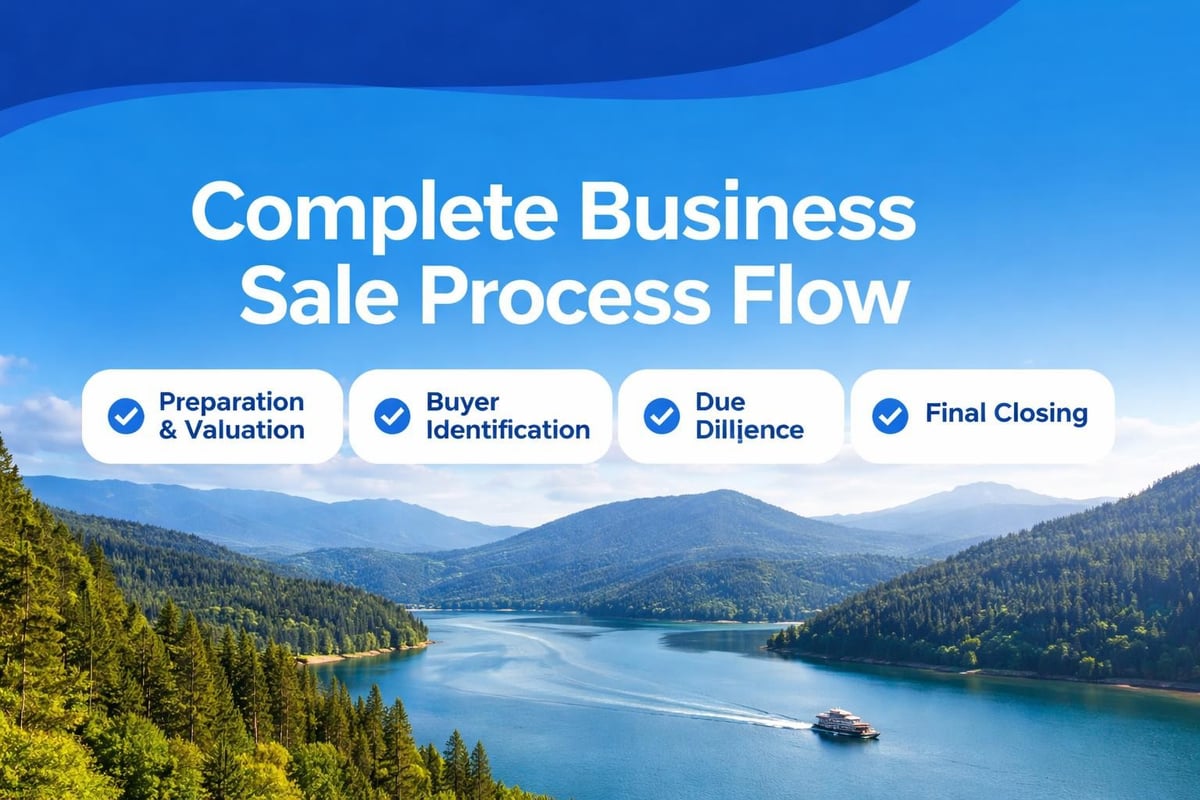
Market timing can substantially impact valuation multiples when you need to sell my business. While you can't control macroeconomic conditions, understanding cyclical factors helps optimize your exit timing.
Market Conditions Affecting Business Sales
- Economic Cycles: Strong economies with low interest rates typically support higher valuations
- Industry Trends: Consolidating industries attract strategic buyers paying premium multiples
- Buyer Competition: Multiple interested parties create competitive tension
- Regulatory Environment: Favorable tax treatment and reduced compliance burdens increase attractiveness
Internal Readiness Indicators
Beyond external markets, internal factors signal optimal exit timing:
- Consistent Revenue Growth: Three consecutive years of increasing top-line demonstrates momentum
- Diversified Customer Base: No single customer representing more than 15-20% of revenue
- Strong Management Team: Business operates successfully without daily owner involvement
- Clean Financial Records: Organized documentation ready for due diligence review
- Renewed Contracts: Key customer and vendor agreements extending beyond closing
Alternative Exit Strategies Beyond Traditional Sales
When business owners say "I need to sell my business," they often assume a complete sale to a third party. However, alternative exit strategies may better serve certain situations.
Employee Stock Ownership Plans (ESOPs)
ESOPs transfer ownership to employees through a qualified retirement plan, offering significant tax advantages while preserving company culture. Best suited for profitable businesses with at least 20 employees.
Management Buyouts (MBOs)
Existing management teams purchase the business, often with financing assistance. MBOs work well when you've developed strong leadership but lack external buyer interest.
Family Succession
Transferring ownership to family members preserves legacy but requires careful planning around valuation, fairness among heirs, and capability assessment.
Recapitalization
Selling a majority stake to private equity while retaining minority ownership allows you to extract liquidity while participating in future growth. Understanding how private equity platforms operate helps evaluate whether this structure aligns with your goals.
Common Pitfalls to Avoid When Selling
Even experienced entrepreneurs make mistakes when they need to sell my business for the first time. Awareness of common errors helps you navigate more successfully.
Overvaluation and Market Mispricing
Emotional attachment and selective comparable selection lead many owners to overprice their businesses. Overvalued listings linger on the market, signaling desperation and ultimately fetching lower prices than realistic initial pricing would have achieved.
Inadequate Preparation
Rushing to market without organizing financials, strengthening operations, and addressing known issues reduces buyer confidence and justifies valuation discounts.
Poor Confidentiality Management
Broadcasting sale intentions before securing qualified buyers damages employee morale, customer relationships, and competitive positioning.
Negotiating Without Professional Representation
Attempting to save advisory fees by handling negotiations personally often costs multiples more through unfavorable terms, missed tax planning opportunities, and inadequate legal protections.
Focusing Exclusively on Price
Accepting the highest offer without evaluating buyer capability, cultural fit, and deal structure frequently results in failed transactions or post-closing disputes.
The Chamber of Commerce guide on selling businesses emphasizes the importance of timing, financial preparation, and leveraging professional expertise throughout the exit process.
Post-Closing Considerations and Transition Planning
Your responsibilities don't end at closing. Most transactions include transition periods where you help the buyer understand operations, relationships, and institutional knowledge.
Typical Transition Arrangements
- Duration: 30 to 180 days, depending on business complexity
- Compensation: Separate consulting agreement or included in purchase price
- Scope: Training successor management, introducing key relationships, explaining systems
- Availability: Full-time initially, tapering to advisory role
Non-Compete and Non-Solicitation Obligations
Purchase agreements typically restrict your ability to compete or recruit employees for defined periods. Understanding these limitations before signing prevents future conflicts and potential litigation.
Transforming M&A Through Strategic Alignment
The traditional M&A process treats business sales as purely financial transactions, emphasizing speed and price while overlooking strategic compatibility. When you need to sell my business, prioritizing strategic fit ensures that your life's work continues thriving under new ownership while maximizing value through better buyer-seller alignment.
Modern platforms designed specifically for lower middle-market transactions recognize that sellers and buyers benefit from confidential, structured matching before revealing sensitive information. This approach protects confidentiality, reduces time waste on incompatible parties, and creates more collaborative negotiations focused on mutual success rather than adversarial positioning.
Supporting the Complete Transaction Lifecycle
Beyond initial matching, successful exits require secure information sharing during due diligence. Professional-grade virtual data rooms previously accessible only to large enterprises are now available to middle-market participants through specialized providers.
Service providers play crucial roles throughout the exit process. Platforms that compensate advisors for quality referrals while showcasing their expertise create ecosystems where sellers access qualified professionals and advisors build sustainable practices.
Selling your business represents a pivotal transition requiring careful planning, professional guidance, and the right strategic partners. When you need to sell my business, modern approaches that prioritize strategic fit over transaction speed create better outcomes for all stakeholders. Aligned IQ transforms traditional M&A by connecting business owners with qualified buyers through proprietary matching algorithms, maintaining confidentiality throughout the process, and providing complimentary virtual data room access to matched sellers. Take a tour to discover how strategic alignment can maximize your exit value while finding the perfect counterparty to continue your business legacy.
No responses yet