

In 2025, the scale and frequency of platform acquisition deals are transforming the global M&A landscape. These strategic moves create new pathways for growth, market expansion, and long-term value.
This comprehensive guide unpacks the latest strategies, actionable insights, and step-by-step processes for executing a successful platform acquisition in today’s rapidly changing environment.
We’ll demystify the platform acquisition model, break down proven strategies, highlight industry best practices, and share real-world examples—equipping buyers, sellers, and advisors with the knowledge needed to excel.
Whether you’re seeking growth, planning an exit, or advising clients, discover how to leverage the power of platform acquisition for maximum results in 2025.
Understanding Platform Acquisitions in 2025
Platform acquisitions have become a central force in modern M&A, offering a blueprint for scaling, market entry, and value creation. Understanding the fundamentals, characteristics, strategic value, and emerging trends of a platform acquisition model is essential for buyers, sellers, and advisors navigating this dynamic landscape.

Defining Platform Acquisition
A platform acquisition is an M&A strategy where a buyer acquires a business with the intent to use it as a foundation for further growth, often by adding smaller companies (bolt-on or tuck-in deals). Unlike bolt-ons, which expand an existing platform, and tuck-ins, which are absorbed into operations, a true platform acquisition serves as the cornerstone for building a larger enterprise.
The primary goals are scaling rapidly, entering new markets, and unlocking value through integration. Private equity firms and strategic buyers are the main architects, often paying 4-6x EBITDA for platforms compared to much lower multiples for add-ons. For example, Facebook’s acquisition of Instagram extended its platform and set the stage for future bolt-ons.
Recent years have seen a surge in lower-middle market platform acquisition activity and industry roll-ups. For a deeper dive into foundational strategies, see Acquisition strategy fundamentals.
| Acquisition Type | Role | Typical Multiple |
|---|---|---|
| Platform | Foundation | 4-6x EBITDA |
| Bolt-on | Expansion | 2-3x EBITDA |
| Tuck-in | Absorption | 1.5-2x EBITDA |
Characteristics of an Ideal Platform Company
The ideal target for a platform acquisition boasts robust infrastructure, scalable operations, and a strong management team. Brand equity and market leadership are must-haves, alongside operational maturity and well-documented SOPs.
Buyers often debate centralized versus decentralized models. For instance, a dog daycare roll-up with a centralized admin team can streamline processes and boost efficiency. Platform companies frequently achieve higher post-integration multiples, reflecting their premium value.
Why do buyers pay more for these businesses? It’s because a platform acquisition reduces future integration risks and accelerates growth. Companies with these traits are seen as “platform-ready” and command a premium in competitive M&A markets.
The Strategic Value of Platform Acquisitions
A well-executed platform acquisition creates powerful synergies and unlocks “multiple arbitrage”—buying smaller firms at lower multiples and selling the combined entity at a premium. This approach accelerates growth through bolt-on deals and diversifies risk by broadening the business portfolio.
Enhanced market positioning and a stronger competitive moat are key outcomes. Private equity roll-ups in sectors like plumbing and healthcare illustrate these advantages, with larger platforms often selling for 5-10x EBITDA, according to Baton Market.
Compared to organic growth, a platform acquisition delivers speed and scalability that’s hard to match. Buyers gain the ability to consolidate fragmented markets and drive enterprise value quickly.
2025 Trends Shaping Platform Acquisitions
Several trends are shaping the platform acquisition landscape in 2025. Industry-specific roll-ups are rising in SaaS, healthcare, and manufacturing. There’s a sharper focus on digital integration, with data analytics guiding both target selection and post-acquisition value creation.
ESG factors increasingly influence platform selection, while cross-border acquisitions bring new regulatory challenges. In 2024, platform deals in tech sectors jumped 15%, reflecting robust demand.
Macroeconomic factors like interest rates and capital access also impact platform acquisition strategies. A recent high-profile fintech platform acquisition highlighted the need for digital readiness and agile execution amid shifting market conditions.
The Platform Acquisition Process: Step-by-Step Strategies
Navigating the platform acquisition process demands a disciplined, strategic approach. Each phase builds on the last, creating a roadmap for buyers, sellers, and advisors aiming for successful outcomes in 2025. Let’s break down each critical step.

Step 1: Strategic Mandate and Market Mapping
Every platform acquisition begins with a clear mandate. Defining your investment thesis and acquisition goals is foundational. This means pinpointing the industry verticals, identifying market gaps, and articulating exactly what makes a company platform-worthy.
Leverage data analytics and AI to map fragmented markets and spot roll-up opportunities. Assess the competitive landscape and regulatory environment early. For instance, mapping out highly fragmented sectors like specialty healthcare often uncovers hidden gems.
A focused mandate leads to higher deal success rates. In fact, 70% of successful platforms started with a well-defined strategy. For a deeper dive into building a robust buy-and-build foundation, explore these buy and build strategy insights.
Step 2: Target Identification and Due Diligence
Selecting the right candidates is crucial in any platform acquisition. Look for companies with strong profitability, cultural compatibility, and leadership depth. Proprietary deal sourcing—using networks and technology—often yields better results than public auctions.
Conduct deep due diligence: analyze financials, operational KPIs, and leadership capabilities. Evaluate culture fit and management stability. Off-market deals frequently reduce acquisition costs by up to 20%, giving buyers a competitive edge.
Intermediaries and advanced tech platforms can streamline sourcing, but personal relationships still matter. Remember, proprietary sourcing is a game-changer in today’s competitive landscape for platform acquisition.
Step 3: Valuation and Deal Structuring
Valuing a platform acquisition requires precision. Use EBITDA multiples, discounted cash flow, and precedent transactions to triangulate fair value. Platforms command a premium—often 1-2x EBITDA more than add-ons—reflecting their growth potential.
Structure deals with earnouts, rollover equity, and seller incentives to align interests. Legal considerations and risk allocation are critical. For example, multiple arbitrage—buying low and selling high as a group—can dramatically enhance returns.
Proper structuring maximizes long-term value. Underestimating the complexity or over-projecting synergies can jeopardize the entire platform acquisition process.
Step 4: Integration Planning and Execution
Integration is where many platform acquisition strategies falter. Begin pre-close by planning systems, processes, and people alignment. Decide between centralizing functions or allowing autonomy based on business needs.
Key steps include:
- Integrating technology stacks and migrating data
- Retaining key talent and managing culture change
- Setting up dashboards for real-time performance tracking
Facebook’s phased approach with Instagram and WhatsApp is a textbook example. Notably, 60% of failed platform deals cite poor integration. Early planning is the secret to a seamless platform acquisition.
Step 5: Growth and Value Optimization
After the initial platform acquisition, the focus shifts to growth. Use your platform to springboard bolt-on and tuck-in acquisitions, driving operational efficiencies and cross-selling opportunities.
Set clear KPIs, monitor dashboards, and continuously refine processes. Prepare for eventual exit—whether recapitalization or sale to a larger private equity or strategic buyer. For example, a PE roll-up in manufacturing achieved 3x revenue growth post-platform by executing on a clear value optimization plan.
Platforms with robust post-acquisition strategies consistently outperform peers by 30%. Continuous improvement is the hallmark of a successful platform acquisition journey.
Key Challenges and Risks in Platform Acquisitions
Platform acquisition strategies offer outsized growth potential, but they also come with unique challenges. Buyers, sellers, and advisors must be prepared to navigate a complex risk landscape where integration, valuation, operations, and regulation can all impact outcomes.

Integration Risks and Cultural Alignment
A common pitfall in any platform acquisition is underestimating the importance of cultural alignment. When two organizations merge, differences in leadership style, operational norms, and company values can quickly surface.
Culture clash often leads to leadership turnover and misalignment in processes. Early engagement, open communication, and retention packages for key leaders can help mitigate these issues. For example, failed integrations have led to significant value erosion in several high-profile deals.
In fact, 50% of platform acquisition deals underperform due to cultural misfit. Conducting cultural diligence is just as critical as financial review. Ignoring this risk can jeopardize the entire investment.
Overpaying and Valuation Pitfalls
The competitive nature of platform acquisition markets can drive buyers to overbid for companies deemed “platform-worthy.” When market frothiness and auction dynamics take over, the risk of paying above fair market value increases.
Unrealistic synergy projections and over-optimistic growth expectations often compound these risks. For instance, some private equity firms have overpaid for tech platforms, only to see disappointing returns when anticipated synergies failed to materialize.
Overvalued platform acquisition targets have a 35% higher failure rate. Avoiding the “winner’s curse” requires disciplined valuation and a clear-eyed view of true integration potential.
Operational Complexity and Scalability
Scaling a platform acquisition brings its own set of hurdles. Integrating multiple systems, processes, and leadership teams can strain resources and expose operational bottlenecks.
Key risks include losing focus, spreading leadership bandwidth too thin, and facing technology integration challenges. Multi-location roll-ups often struggle with standardizing procedures and maintaining quality across sites.
A scalable infrastructure is non-negotiable for platform acquisition success. Many platforms stall after three to five add-ons due to these operational complexities. Continuous investment in systems and leadership is essential for sustained growth.
Regulatory and Market Risks
Compliance is a growing concern in platform acquisition, especially in regulated or cross-border industries. Heightened antitrust scrutiny and evolving market regulations can delay or derail deals.
For example, healthcare roll-ups have experienced regulatory pushback, impacting timelines and deal structures. In 2023, antitrust reviews for platform acquisition transactions increased by 12%.
Staying ahead of regulatory and market changes is crucial. According to the 2025 M&A Outlook: Navigating Opportunities and Challenges, building robust risk assessments into every platform acquisition strategy helps buyers anticipate and address these evolving hurdles.
Best Practices and Expert Insights for Successful Platform Acquisitions
Executing a successful platform acquisition in 2025 requires more than just financial muscle. It’s about assembling the right team, leveraging cutting-edge technology, prioritizing industry fit, and learning from recent deal successes and failures. Below, we break down the essential best practices and provide actionable insights for buyers, sellers, and advisors navigating today’s competitive landscape.
Building the Right Team and Advisory Network
Every platform acquisition starts with the people behind it. Assembling an experienced deal team is crucial for navigating complex transactions. This includes M&A advisors, legal experts, and industry veterans who understand the nuances of your target sector.
Cross-functional integration teams can make or break post-deal success. Deals with specialist advisors close 25% faster and experience fewer setbacks. Operating partners add value by bridging strategy and execution, ensuring that both financial and operational goals are met.
A robust team helps avoid common pitfalls and steers the platform acquisition toward value creation. Prioritizing team quality is a proven way to increase the odds of a smooth and profitable outcome.
Leveraging Technology and Data in the Acquisition Process
Technology is transforming how platform acquisition deals are sourced, evaluated, and integrated. AI and advanced analytics enable smarter target identification and more thorough due diligence, uncovering red flags that might otherwise be missed.
Digital tools streamline post-acquisition integration, from automating onboarding to tracking performance KPIs. Cybersecurity and data privacy are now central to every stage, reducing risk and building trust.
Tech-enabled platforms achieve 20% higher efficiency gains. For deeper insights into how technology is shaping dealmaking, review the latest Global M&A industry trends: 2025 outlook. Embracing digital maturity is no longer optional for a winning platform acquisition strategy.
Industry-Centric Approach and Strategic Fit
A successful platform acquisition hinges on more than just numbers. Strategic fit—shared vision, values, and long-term goals—should be prioritized before diving into financials. Industry expertise helps both buyers and sellers align on what matters most in a rapidly changing market.
Industry-focused platforms consistently outperform generalist roll-ups. Why? Because they understand sector-specific challenges and can accelerate integration. For those seeking rapid growth, consider these acquisition strategies for rapid growth that prioritize strategic fit.
Strategic alignment reduces deal failure risk and positions your platform acquisition for lasting success.
How Aligned IQ Is Transforming Platform Acquisitions
Aligned IQ is redefining platform acquisition matchmaking. By focusing on “people and experience first,” Aligned IQ ensures that buyers and sellers are aligned on strategic fit before engaging in deep negotiations.
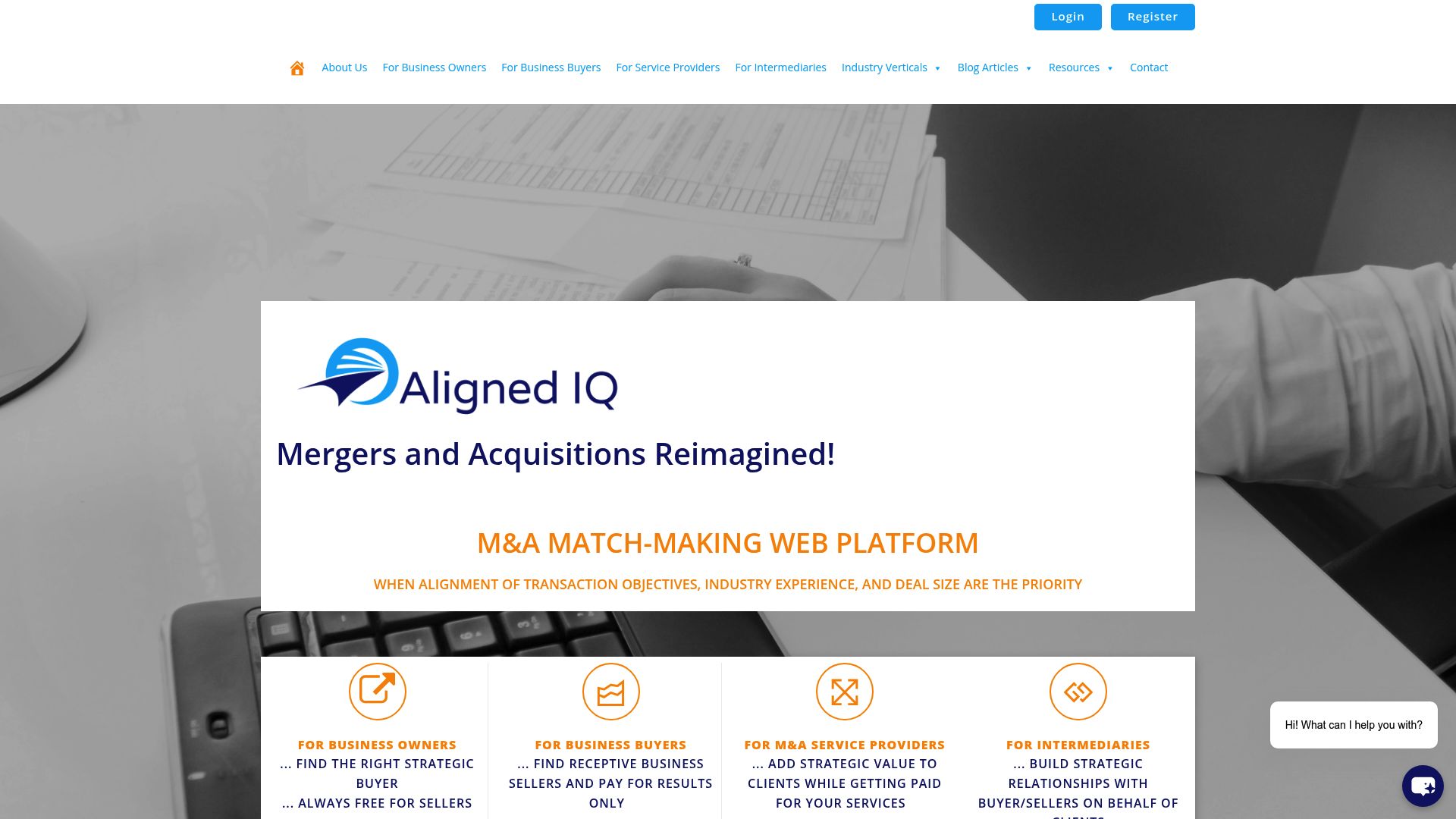
Their industry-centric matching process means that sector challenges are understood upfront. This approach benefits acquirers with specific mandates and sellers seeking the right transition partner. In fragmented industries, Aligned IQ has facilitated matches that lead to seamless integrations and better outcomes.
Confidential, seller-first platforms like Aligned IQ reduce deal fallout by 18%. This technology-driven, fit-first approach is shaping the future of platform acquisition in 2025.
Case Studies and Lessons Learned from Recent Deals
Recent platform acquisition deals highlight the value of clear playbooks and rigorous integration planning. For example, CaneKast’s manufacturing roll-up achieved rapid growth by prioritizing cultural alignment and operational best practices.
Platforms with well-defined strategies grow twice as fast as those that “wing it.” Lessons from underperforming deals often center on missed integration steps or overlooked cultural mismatches.
The best platform acquisition outcomes come from learning both what to do—and what to avoid. Prioritize strategic fit, invest in integration, and always have a post-acquisition value plan in place.
Future Outlook: Platform Acquisitions Beyond 2025
The landscape of platform acquisition is set for rapid transformation beyond 2025. Buyers, sellers, and advisors will see new opportunities emerge as industries evolve, technology advances, and investor expectations shift. Staying ahead means understanding where the next wave of value will be created and how to adapt platform acquisition strategies to capitalize on these changes.
Emerging Sectors and New Opportunities
Platform acquisition is expanding into exciting new sectors. Fintech, digital health, green energy, logistics, and B2B SaaS are becoming hotspots due to market fragmentation and regulatory shifts. Micro-platforms are also rising in niche verticals, allowing investors to capture value in specialty markets.
For example, 2025 projections indicate a 20% growth in tech platform deals. Companies are leveraging platform acquisition to build competitive moats and accelerate innovation. As technology and consumer preferences evolve, the next big opportunities will likely emerge in sectors where agility and scale deliver outsized returns.
The Evolving Role of Private Equity and Strategic Investors
Private equity is reshaping its platform acquisition approach. Firms are holding investments longer, getting more involved operationally, and prioritizing ESG factors. Corporates are also adopting platform acquisition models to vertically integrate and enter new markets.
PE-backed platforms now make up 60% of middle-market M&A. For more on this shift, see Private equity explained. Strategic buyers are using platform acquisition to diversify, expand geographically, and drive sustainable growth. Understanding these investor trends is key to aligning your strategy for future deals.
Technology, AI, and the Future of Platform Integration
The future of platform acquisition will be powered by technology and AI. Predictive analytics are streamlining deal sourcing and helping identify value creation opportunities faster. Automation is transforming due diligence and integration, reducing both costs and timelines.
AI-driven solutions are enabling seamless M&A, as discussed in the Mergers & Acquisitions Playbook For The Agentic Economy. In 2025, 35% of acquirers plan to boost tech investment, betting that digital readiness will separate winners from laggards in the platform acquisition race.
Key Takeaways and Action Steps for 2025
Success in platform acquisition beyond 2025 depends on anticipation and adaptability. Start by defining your mandate, building a skilled team, and leveraging digital tools. Focus on strategic fit, ongoing integration, and industry expertise for every platform acquisition.
Here’s a quick checklist for buyers and sellers:
- Clarify your acquisition goals.
- Use technology for sourcing and diligence.
- Prioritize integration planning from day one.
- Continuously optimize post-acquisition value.
Adaptability and forward-thinking will ensure your platform acquisition strategy remains a driver of value in a changing business landscape.
If you’re considering your next big move in the world of platform acquisitions, it’s clear that having the right strategy—and the right partner—matters more than ever. We’ve covered how strategic fit, industry focus, and a people-first approach can completely change your M&A outcomes. If you’re ready to take a closer look at how these insights apply to your unique goals, why not connect with someone who lives and breathes this every day? You don’t have to navigate the 2025 landscape alone—Talk to an Expert!
No responses yet