

In 2025, the buy and build strategy is transforming how ambitious companies and investors achieve rapid growth and long-term value in crowded markets. With 72% of North American buyout firms in 2022 using this approach, it’s clear that roll-up acquisitions are reshaping the M&A landscape.
This comprehensive guide unpacks the core concepts, major trends, and actionable steps you need for buy and build success. Whether you’re a business leader, investor, or M&A professional, you’ll discover proven strategies, real-world examples, and expert insights to help you navigate this dynamic field.
Ready to unlock new growth? Dive in to explore the latest on buy and build strategy for 2025.
Understanding the Buy and Build Strategy
The buy and build strategy has become a powerhouse in modern M&A, especially as companies and investors aim to accelerate growth in fragmented markets. This approach is reshaping the way businesses achieve scale, unlock value, and compete in today’s dynamic environment.
What is Buy and Build?
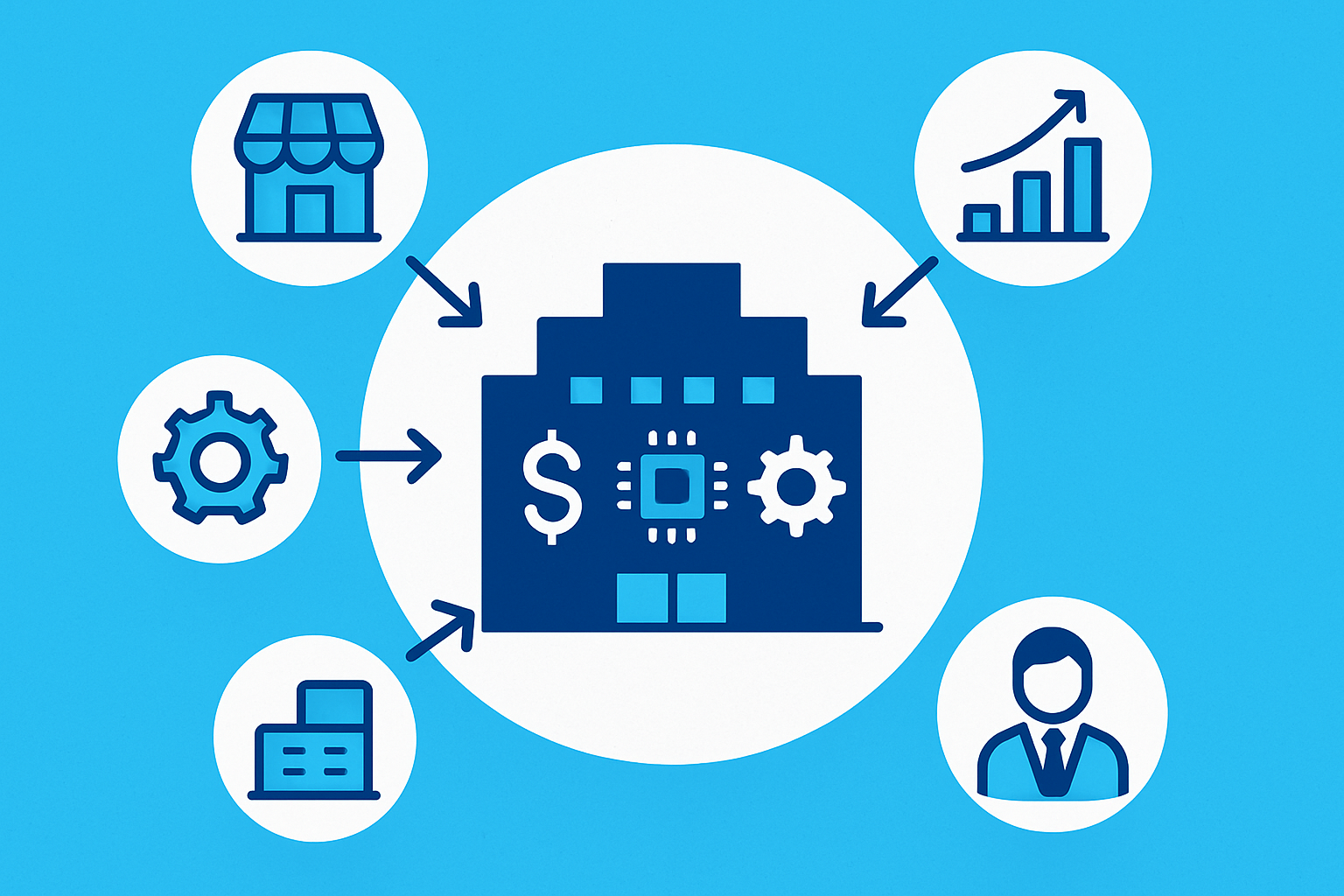
A buy and build strategy centers on acquiring a strong platform company, then systematically adding related businesses—often called add-ons, bolt-ons, or roll-ups—to create a larger, more valuable enterprise. Unlike traditional buyouts or venture capital, this method targets fragmented industries where consolidation can drive significant value.
Key features include:
- Focus on sectors lacking dominant players
- Emphasis on integration and synergy realization
- Frequent use by private equity firms and strategic buyers
For example, a regional bank might serve as the anchor, with smaller banks acquired to achieve national reach. In 2022, 72% of North American buyouts involved add-on deals, highlighting the surge in this approach. For further practical insights, see these key success factors in buy & build.
Why Buy and Build is Gaining Traction in 2025
The buy and build strategy is on the rise, driven by several trends shaping the M&A landscape in 2025. Deal volume continues to climb as investors seek scalable, repeatable value creation.
Technological advancements now enable faster integration and data-driven decision-making. Companies are drawn to operational efficiencies and market share gains, particularly in fragmented sectors. While buy and build strategies often require longer timelines, the potential for higher returns is attracting both private equity and corporate players. According to Bain & Company, buy-and-build strategies are capturing a growing share of the M&A market every year.
Core Objectives and Value Propositions
At its core, the buy and build strategy aims to unlock value through:
- Economies of scale and cost synergies
- Enhanced market presence and competitive strength
- Cross-selling and revenue expansion opportunities
Other key goals include achieving valuation uplift through multiple arbitrage, professionalizing management, and upgrading technology. Ultimately, the strategy builds a platform for a future exit—either via IPO or strategic sale. A notable example is Ford Financial’s roll-up of Mechanics Bank, where sequential acquisitions fueled regional expansion and value growth.
Buy and Build vs. Other M&A Strategies
How does the buy and build strategy compare to other growth methods? Unlike stand-alone acquisitions or organic growth, buy and build involves greater operational complexity but offers higher value upside.
| Strategy Type | Complexity | Value Upside | Typical Horizon | Best For |
|---|---|---|---|---|
| Buy and Build | High | High | Medium-Long | Fragmented industries |
| Stand-alone Buyouts | Medium | Medium | Medium | Stable, mature sectors |
| Organic Growth | Low | Variable | Long | Early-stage companies |
Buy and build strategies often use leverage and require robust integration planning. For instance, Mechanics Bank’s roll-up contrasts sharply with single-company buyouts, which may lack the same synergy and scaling potential.
Key Steps to Executing a Successful Buy and Build Strategy
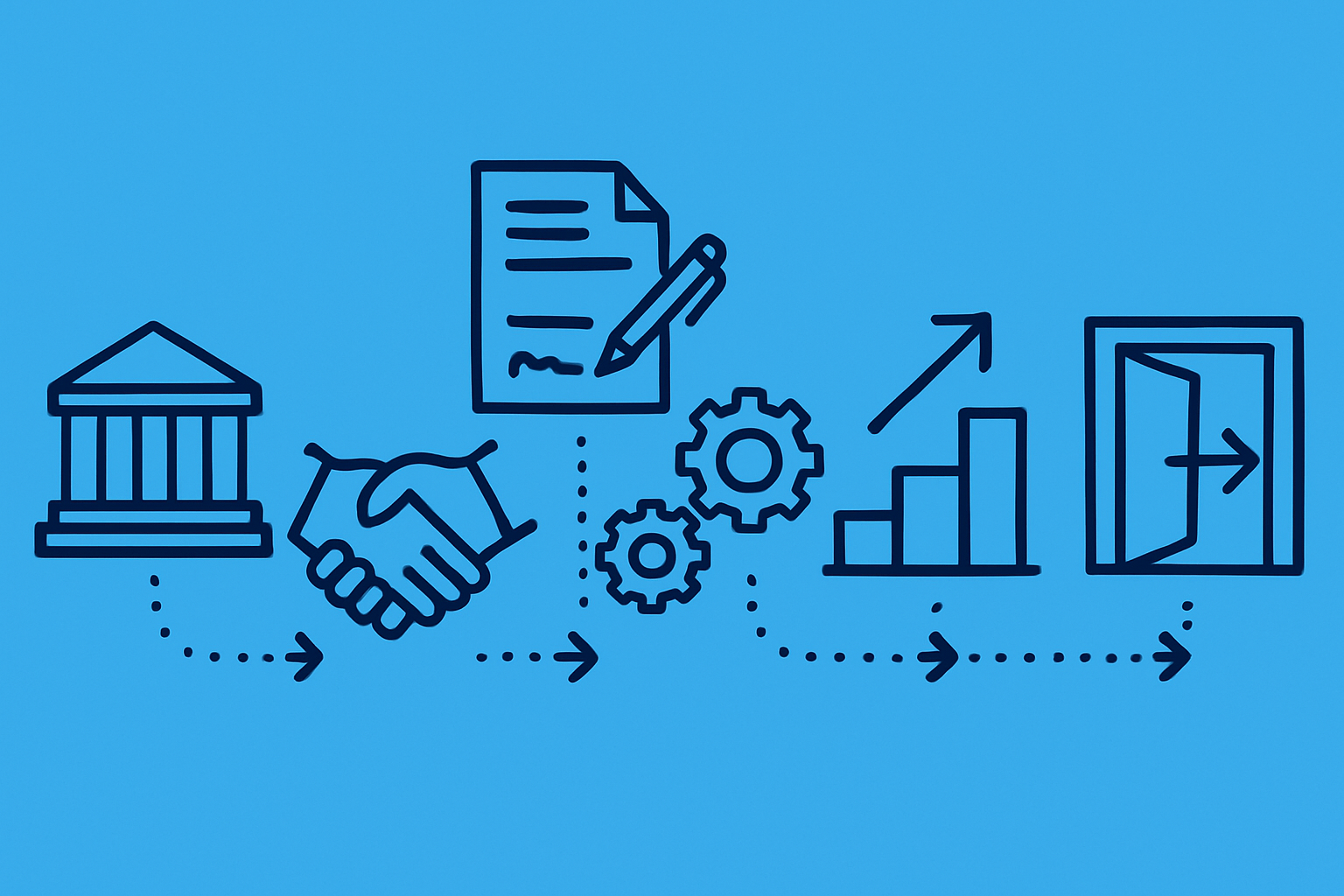
Executing a successful buy and build strategy in 2025 requires a structured, disciplined approach at every stage. Each step plays a vital role in maximizing value, minimizing risk, and ensuring smooth integration. Let’s walk through the essential phases that set top-performing deals apart.
Step 1: Identifying the Right Platform Company
The foundation of any buy and build strategy is selecting a strong platform company. This business should have a proven management team, scalable operations, and a solid reputation in its market.
Industry selection matters. Fragmented sectors with many smaller players offer the best consolidation potential. Assess the platform’s ability to integrate future add-ons, looking at its technology, market position, and growth capacity.
Private equity firms often target regional companies with room to expand nationally. For example, Ford Financial’s acquisition of Mechanics Bank set the stage for further roll-ups. Strategic planning is essential here—learn more about the strategy-first approach to M&A for practical insights.
Step 2: Strategic Target Sourcing and Due Diligence
A thriving buy and build strategy relies on a robust pipeline of acquisition targets. Start by mapping the industry and compiling a target list. Look for businesses that fit culturally and operationally with your platform.
Due diligence is critical. Analyze financials, legal issues, and operational details to spot hidden risks. Leverage your network and consider proprietary deal sourcing methods for an edge. Always assess whether targets will add accretive value and can integrate smoothly.
Red flags include overpaying, incompatible systems, and undisclosed liabilities. With 72% of buyouts now involving multiple add-ons, thorough vetting is more important than ever.
Step 3: Deal Structuring and Financing
Deal structure can make or break your buy and build strategy. Decide between asset or share purchases, and consider tools like earn-outs or deferred payments to align incentives.
Leveraged buyouts (LBOs) are common, but it’s vital to balance debt with operational cash flow. Align interests between management, sellers, and investors to ensure a smooth process. Stay aware of regulatory and compliance requirements.
Creative financing is becoming more prevalent as competition intensifies. Mechanics Bank’s take-private structure, for example, involved a premium paid to shareholders to secure the deal.
Step 4: Integration Planning and Execution
Integration is where many buy and build strategy efforts stumble. Develop a clear integration roadmap before closing any deal. Prioritize operational, cultural, and technological alignment to keep the business running smoothly.
Set up dedicated integration teams and adopt proven change management practices. Use dashboards and KPIs to track progress and quickly address issues. Don’t underestimate the risk of integration fatigue or losing key talent during transitions.
Successful integration is about more than merging systems—it’s about building a unified, high-performing organization.
Step 5: Value Creation and Scaling
The real magic of a buy and build strategy happens post-acquisition. Leverage economies of scale by consolidating procurement and shared services. Look for cross-selling, bundling, and upselling opportunities to boost revenue.
Upgrade management teams, systems, and processes to drive operational improvements. Monitor performance closely, using data to identify and correct weak spots. Always be ready to add more acquisitions as your platform grows.
Ford Financial’s sequential bank acquisitions show how disciplined value creation can lead to exponential growth.
Step 6: Exit Strategy Development
From the outset, plan your exit from the combined entity. Options include IPOs, strategic sales, or recapitalizations. Time your exit to market conditions and ensure your business is positioned for a premium valuation.
Build a comprehensive data room and cultivate a pipeline of potential buyers. Learn from successful roll-up exits, such as Golden State Bancorp’s sale to Citigroup.
Manage stakeholder communications carefully, and always consider regulatory and tax implications during planning.
Step 7: Leveraging Technology and Data Analytics
Embracing technology is essential for a modern buy and build strategy. Use M&A platforms and data analytics to identify targets and evaluate deals more efficiently.
Integration tools streamline post-merger processes, while AI and automation accelerate due diligence. Real-time dashboards enable ongoing performance tracking, helping you spot trends and resolve issues quickly.
Digital transformation is now a core value lever in M&A, with leading firms using technology to maximize returns in 2025.
Value Creation Mechanisms in Buy and Build
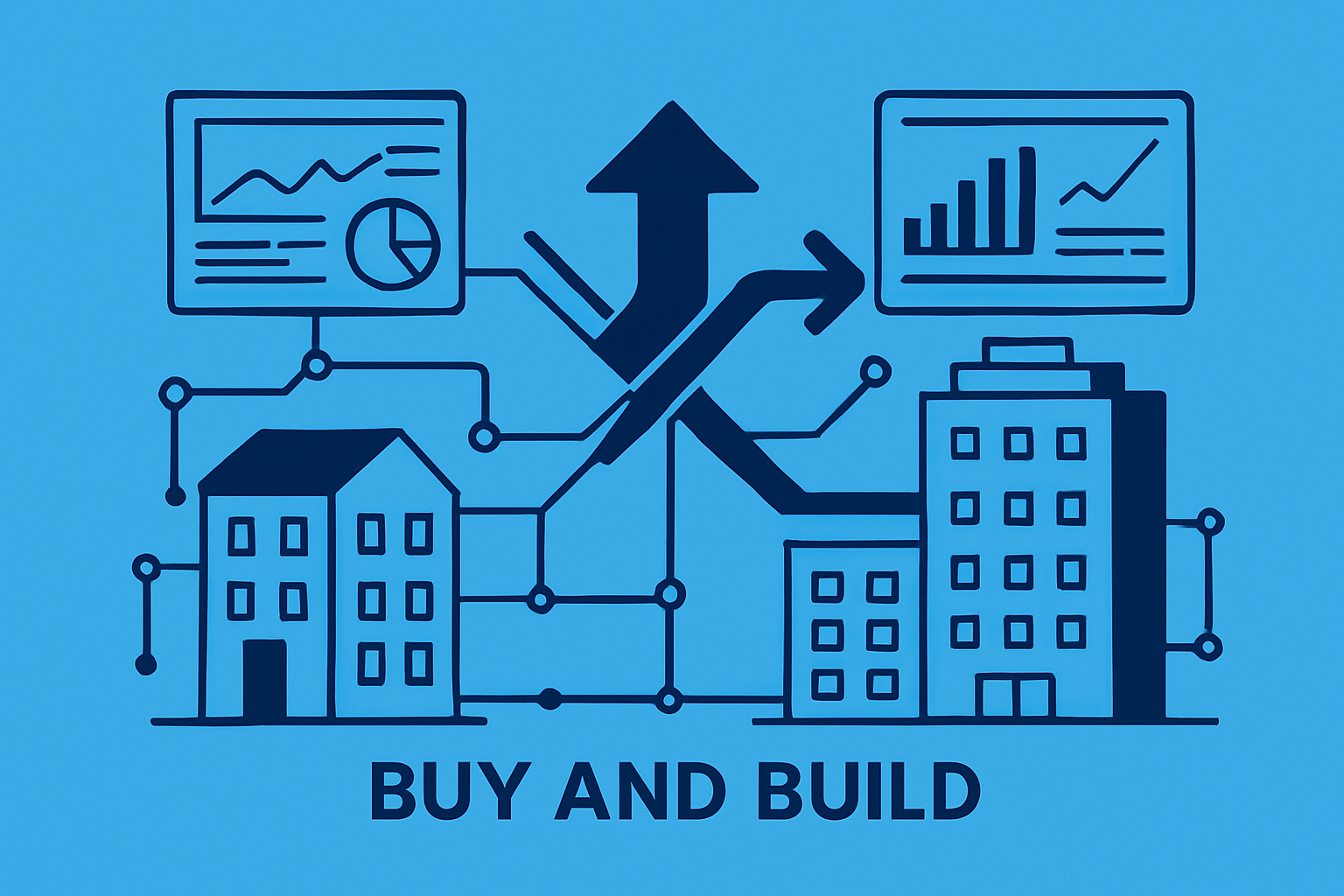
Unlocking value is at the heart of any successful buy and build strategy. The true power of this approach lies in its ability to drive growth, efficiency, and profitability through a blend of operational improvements and strategic moves. Let’s break down how top performers maximize returns in 2025.
Economies of Scale and Cost Synergies
A core value lever in the buy and build strategy is unlocking economies of scale. By consolidating procurement, logistics, and back-office operations, companies can negotiate better supplier terms and reduce redundancies.
- Centralize finance, HR, and IT to streamline processes
- Eliminate overlapping roles and infrastructure
- Leverage bulk purchasing for cost savings
For example, bank roll-ups often reduce branch overlaps and excess staffing, translating to measurable cost savings. According to Bain & Company, operating efficiencies are a primary value driver in these strategies. However, it’s vital not to overestimate synergies, as integration can reveal hidden complexities.
Revenue Synergies and Market Expansion
Another critical advantage of the buy and build strategy is the ability to unlock new revenue streams and expand market reach. Cross-selling products and services across a larger customer base becomes easier as companies integrate add-ons.
- Enter new geographic markets through acquisitions
- Increase pricing power via broader offerings
- Enhance customer retention by leveraging a unified brand
Mechanics Bank’s expansion into new regions is a prime example. Revenue growth isn’t just about numbers—it’s about deepening customer relationships and monitoring churn to ensure sustained success.
Multiple Arbitrage and Valuation Uplift
The buy and build strategy excels at creating value through multiple arbitrage. By acquiring smaller companies at lower EBITDA multiples and combining them under a single platform, the group’s overall valuation often rises.
- Acquire targets at attractive valuations
- Benefit from market perception of a scaled entity
- Time exits to maximize return
Roll-ups typically command premium multiples upon exit, but there are risks. Market saturation and diminishing returns can erode gains if not managed carefully. Private equity continues to focus on multiple expansion as a core driver of returns in this space.
Management Upgrades and Professionalization
Professionalizing management and upgrading talent is a hallmark of the buy and build strategy. After acquisitions, installing experienced leaders and standardizing governance can transform a group’s performance.
- Implement best practices and new governance structures
- Invest in training and retaining top talent
- Upgrade systems for scalability
Ford Financial’s approach to management enhancements post-acquisition shows how critical the right leadership is. Strong teams help avoid turnover and ensure seamless integration, which is vital for long-term value creation.
Technology Enablement and Digital Transformation
In 2025, digital integration stands out as a game-changer for buy and build strategy success. Unified digital platforms and data analytics tools streamline integration and drive smarter decisions.
- Automate workflows to cut costs and errors
- Use real-time dashboards for performance tracking
- Enhance customer experience with integrated tech
AI-driven insights and cybersecurity are now essential. For a deep dive on how digital tools maximize ROI in these approaches, explore Digital Synergies in Buy-and-Build Strategies. Companies that prioritize digital transformation position themselves for sustainable, scalable growth.
Risks, Challenges, and How to Overcome Them
Navigating the risks and challenges of a buy and build strategy is essential for unlocking its full value. While this approach offers significant upside, it also exposes businesses to a unique set of pitfalls and hurdles. Let’s break down the most common risks, how to manage them, and proven ways to steer your strategy toward success.

Common Pitfalls in Buy and Build Strategies
The buy and build strategy can stumble due to several recurring mistakes. Overpaying for add-ons, especially in heated markets, can erode expected returns. Integration complexity is often underestimated, leading to cost overruns and delays. Cultural misalignment between acquired entities may result in key talent departures and operational disruption.
Other risks include overleveraging, which puts pressure on cash flow, and failing to realize projected synergies. Regulatory and antitrust issues can also stall or derail deals. For a deeper dive into avoiding these errors, check out common pitfalls during exit planning, which provides insights especially relevant for buy and build strategy exit phases.
Managing Integration Risk
Integration is where many buy and build strategy efforts falter. Pre-deal planning is crucial—scenario analysis helps anticipate challenges. Appointing experienced integration leaders and clearly defining roles ensures accountability.
- Communicate transparently with all teams.
- Set realistic milestones and timelines.
- Monitor progress closely and course-correct as needed.
Retaining top talent and institutional knowledge mitigates disruption. Comparing successful and failed integrations shows that disciplined execution and cultural sensitivity are vital for buy and build strategy success.
Navigating Market and Regulatory Challenges
Market and regulatory environments are always shifting. Antitrust compliance is a must, particularly in fragmented sectors targeted by buy and build strategy. Cross-border deals add complexity due to varying local regulations.
Stay agile by adapting to industry trends and technological change. Engage proactively with stakeholders, including regulators and communities. Political and economic uncertainties in 2025 can impact deal timelines, so build flexibility into your approach. Proactive risk assessment and ongoing mitigation planning are key to staying ahead of challenges.
Financial and Operational Risk Management
Financial discipline is non-negotiable for a robust buy and build strategy. Stress-test your capital structure to avoid overleveraging. Maintain strong cash flow forecasts and diversify funding sources for resilience.
- Monitor operational KPIs to catch early warning signs.
- Have contingency plans for economic downturns.
- Review lessons from previous M&A cycles.
For more on how acquisition strategies support rapid scaling while managing risk, see acquisition strategies for rapid growth. These principles help keep the buy and build strategy on solid financial footing.
Measuring Success and Continuous Improvement
What does success look like in a buy and build strategy? Start by defining clear metrics—ROI, IRR, revenue growth, and cost savings. Conduct regular post-acquisition performance reviews and audits.
Benchmark results against industry peers and historical deals. Use feedback loops to refine future M&A processes. Celebrate achievements and learn from setbacks to foster a culture of improvement. With advanced analytics and performance tracking, businesses can drive continuous value creation and stay ahead in the competitive M&A landscape.
Buy and Build Strategy Outlook for 2025 and Beyond
The buy and build strategy continues to reshape the M&A landscape as we look to 2025. Evolving market forces, sector-specific opportunities, and innovative technology are redefining how investors and companies approach growth. Let’s explore what’s on the horizon for this dynamic approach.
Market Trends and Predictions
Global interest in the buy and build strategy is surging. Deal volumes are climbing as more investors seek scalable, repeatable value creation. According to Global M&A Trends in Industrials and Services 2025, competition for quality platform companies is intensifying, especially in fragmented industries.
Digital transformation is now a key differentiator, driving faster integration and smarter decision-making. Private equity firms are leading sector consolidation, while emerging markets offer new cross-border roll-up opportunities. In 2025, ESG and sustainable value creation are becoming central to buy and build strategy execution.
Sector Spotlights: Where Buy and Build is Thriving
The buy and build strategy is most effective in sectors primed for consolidation. Financial services, healthcare, and technology stand out for their fragmentation and potential for synergy. Let’s look at where momentum is building:
| Sector | Examples | Activity Driver |
|---|---|---|
| Financial Services | Bank roll-ups, wealth management | Regional fragmentation |
| Healthcare | Clinics, dental, specialty practices | Scalability, demand |
| Technology | SaaS, IT services platforms | Digital expansion |
| Business Services | Facilities, staffing, consulting | Service diversification |
| Consumer | Franchise, retail chain aggregation | Brand expansion |
For instance, regional banks like Mechanics Bank have leveraged buy and build strategy to expand their footprint nationally, showcasing the model’s adaptability across industries.
The Role of Technology in Future Buy and Build Success
Technology is transforming every phase of the buy and build strategy. AI-driven deal sourcing and automated due diligence are helping investors identify high-potential targets with speed and precision. Integration platforms enable seamless post-merger operations, while real-time analytics optimize performance and synergy realization.
Cybersecurity and data governance have become top priorities, given the complexity of combining multiple entities. As digital-first M&A becomes the norm in 2025, the buy and build strategy’s success will increasingly depend on leveraging advanced technologies to outpace competitors and manage risk.
Expert Insights and Best Practices for 2025
To win with the buy and build strategy in 2025, it’s crucial to combine strategic vision with disciplined execution. Here are key best practices:
- Prioritize strategic fit and cultural alignment before every acquisition.
- Build flexible integration playbooks that can scale with new add-ons.
- Invest in leadership development and empower integration teams.
- Leverage specialist advisors and digital M&A platforms for efficiency.
- Continuously review performance, adapt to lessons learned, and embrace innovation.
By focusing on these fundamentals, business leaders and investors can unlock the full potential of their buy and build strategy and stay ahead in a rapidly evolving M&A environment.
Now that you’ve got a clear roadmap for executing a buy and build strategy in 2025, you might be thinking about how this could work for your business or investment goals. Every deal is unique, and finding the right approach—especially one that truly puts people and strategic fit first—can make all the difference. If you’d like a sounding board or want to dive deeper on how to tailor these insights to your situation, why not get some guidance from someone who lives and breathes M&A? You can Talk to an Expert!
No responses yet