

Thinking about selling your company in 2026? The stakes have never been higher, and the rewards for a well-executed exit can be life-changing. In a rapidly evolving market, timing and preparation are everything.
This essential guide answers the question, how do i sell my company, and walks you through every step, from early planning to closing the deal. You will discover proven strategies to maximize your company’s value while minimizing risk.
Whether you’re considering retirement, exploring new ventures, or capitalizing on market trends, this guide empowers you with actionable insights. Let’s outline the roadmap to a successful sale and ensure you are ready for what comes next.
Assessing If You’re Ready to Sell
Before asking how do i sell my company, it is crucial to determine if you are truly ready for this significant step. A successful sale starts with honest self-reflection and preparation—both personal and organizational. Let us break down what readiness looks like.

Understanding Your Motivations
Why are you considering this move? Owners often explore selling for reasons like retirement, pursuing new ventures, burnout, or seizing favorable market timing. Aligning your personal ambitions with business objectives is essential.
Emotional readiness is often overlooked. The transition can feel daunting, especially if you have built your company from the ground up. Some owners wait too long, missing peak valuations and regretting the delay. Ask yourself: is now the right time for me, both personally and professionally, to answer how do i sell my company?
Evaluating Your Company’s Sellability
Buyers look for businesses that demonstrate strong profitability, a clear growth trajectory, solid market position, and well-documented systems. These factors reduce perceived risk and increase attractiveness.
Key Sellability Factors:
| Factor | Why It Matters |
|---|---|
| Profitability | Signals stability |
| Growth | Shows future potential |
| Market Position | Indicates competitiveness |
| Systems | Enables smooth transition |
Red flags like outdated technology or lack of documentation can lead to valuation discounts. Companies with robust systems often command higher multiples, while those lacking them may struggle to attract buyers.
Timing the Market
Market timing can greatly impact your results. In 2026, M&A trends are shaped by industry consolidation, strong private equity interest, and evolving economic forecasts. The recent rise in private buyer activity—up 15 percent in 2024 and 2025 according to PitchBook—underscores increased competition.
Economic cycles also play a role. Selling during a market upswing often leads to higher valuations. Staying informed about market dynamics is a core part of how do i sell my company successfully.
Personal and Team Readiness
A transition affects not just you, but your team. Succession planning is vital to ensure leadership continuity. Preparing key staff members early can help maintain stability through the process.
Confidentiality is another concern. Limit disclosure to only those who need to know at each stage. A well-prepared team can be your greatest asset during a sale.
Initial Self-Assessment Tools
Today, a range of online checklists and exit planning tools can help you gauge readiness. These resources evaluate operational, financial, and personal factors, offering a roadmap for what to address next.
Using the results from these tools can clarify your priorities and highlight gaps. For actionable tips on getting your business exit ready, visit Making your business exit ready. This is a vital step for anyone beginning to ask how do i sell my company.
Preparing Your Business for Sale
Preparing your company for a successful sale in 2026 requires a proactive, methodical approach. Whether you are asking, “how do i sell my company,” or refining your exit plan, every detail matters. Let’s break down the essential steps to maximize value and minimize risk.

Financial Preparation and Documentation
A strong financial foundation is critical when considering how do i sell my company. Start by ensuring your books are accurate, up to date, and professionally audited. Clear revenue streams and well-documented cost structures are non-negotiable.
Buyers will scrutinize your financials for consistency and transparency. Any ambiguity can lead to discounted offers or lost deals. Consider normalizing your earnings to reflect true profitability, and prepare organized, accessible statements for review.
- Audited financials
- Normalized earnings
- Detailed revenue and expense breakdowns
Remember, buyers prefer clarity—unclear financials can significantly impact your sale outcome.
Operational Improvements
Operational efficiency is a major value driver. If you are asking, how do i sell my company for the best price, focus on reducing owner dependence and building scalable systems. Document your processes in clear SOPs (Standard Operating Procedures) to ensure business continuity post-sale.
Consider these action items:
- Streamline workflows
- Automate repetitive tasks
- Delegate key responsibilities
- Establish documented procedures
Companies with robust, well-documented operations typically command higher multiples in the market.
Legal and Compliance Review
Addressing legal matters early can prevent costly surprises. When exploring how do i sell my company, review all contracts, intellectual property, and licenses to confirm they are current and transferable.
Outstanding legal or HR issues can deter buyers or lower your company’s value. Use this checklist:
- Review contracts and IP registrations
- Ensure all licenses are valid
- Resolve disputes or pending litigation
A proactive legal review safeguards your interests and smooths the transaction process.
Enhancing Business Value
Maximizing value is a key goal when you ask, how do i sell my company. Focus on value drivers like recurring revenue, customer diversification, and growth opportunities.
Benchmark your business against industry multiples to spot areas for improvement. According to IBBA, businesses with over 60% recurring revenue sell for 20% higher multiples. Consider strategies that boost predictability and scalability.
| Value Driver | Impact on Multiples |
|---|---|
| Recurring Revenue | +20% |
| Customer Diversification | Reduces risk premium |
| Documented Growth Plan | Attracts more buyers |
Strategic enhancements today lead to better offers tomorrow.
Assembling Your Advisory Team
Expert guidance is crucial throughout the sale process. If you are wondering how do i sell my company efficiently, assemble a team of experienced M&A advisors, accountants, and legal counsel.
Compare the benefits of DIY versus professional support:
- M&A advisors: Market access, negotiation expertise
- Accountants: Financial clarity, tax planning
- Legal counsel: Document review, risk mitigation
For a step-by-step approach, consider the Steps to sell your business guide for actionable insights. The right team helps you navigate complexity and achieve your goals.
Choosing the Right Sales Process
Selecting the right sales process is critical when considering how do i sell my company in today’s evolving M&A landscape. Each approach comes with distinct advantages, risks, and suitability depending on your business, industry, and goals. Understanding these differences helps you maximize outcomes and minimize surprises.
Traditional vs. Modern M&A Approaches
When asking how do i sell my company, it’s essential to compare traditional methods—like broker-led sales, auctions, and off-market deals—with modern, tech-enabled platforms. Traditional processes often offer a personal touch, established networks, and in-depth negotiations, but can be slow and less transparent.
Modern M&A platforms introduce digital matchmaking, proprietary deal sourcing, and streamlined workflows. According to M&A Trends for 2026, digital platforms are gaining traction thanks to increased deal volume, data-driven targeting, and enhanced confidentiality.
| Approach | Features | Pros | Cons |
|---|---|---|---|
| Traditional | Broker, auction, off-market | Personal, network-driven | Slower, less scalable |
| Modern (Digital) | Matchmaking, proprietary sourcing | Faster, more confidential | May lack personal guidance |
Choosing the right approach depends on your readiness, market trends, and the unique aspects of your business.
Confidentiality and Discretion
A core concern for owners considering how do i sell my company is maintaining confidentiality throughout the process. Premature disclosure to staff, clients, or competitors can lead to lost trust, client departures, or operational disruption.
Smart sellers use NDAs, staged information releases, and secure communication channels. Even with the best tools, carefully controlling who knows about your sale and when is essential for risk management.
Managing leaks and information flow is not just about protecting value—it’s about ensuring business continuity during transition.
Strategic Fit and Buyer Targeting
Strategic fit is pivotal when evaluating how do i sell my company for maximum value. Identifying the right buyer—whether strategic, financial, or individual—determines not only the final price, but also the future of your company.
Strategic buyers often pay higher multiples, especially when your business fills a gap in their portfolio or offers synergies. Data from 2025 shows strategic buyers paid 18% higher multiples compared to financial buyers. Targeting buyers aligned with your culture, objectives, and transition goals can streamline negotiations and ensure a smoother sale.
How Aligned IQ M&A Transforms the Selling Process
Aligned IQ M&A stands out as a proprietary B2B matchmaking platform that redefines how sellers connect with qualified buyers. Unlike traditional processes, Aligned IQ prioritizes strategic fit before deep engagement, giving sellers more control and reducing wasted effort.
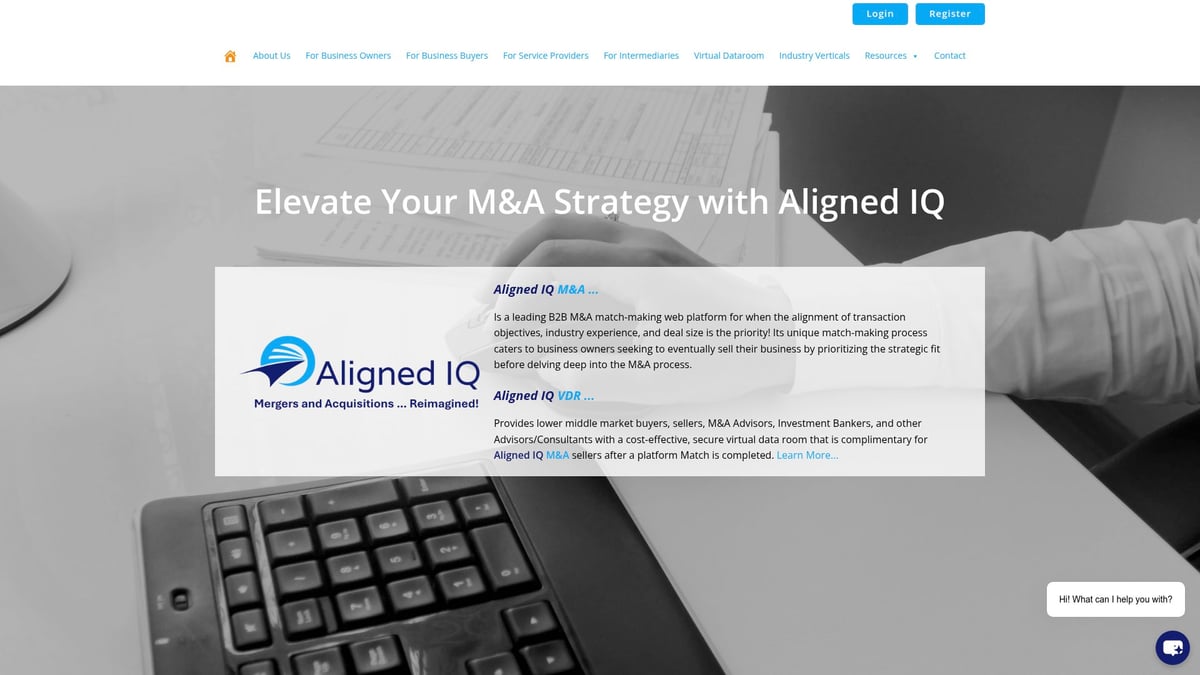
The platform’s confidential environment ensures that only pre-qualified buyers access your information, reducing risk. Sellers pay zero upfront fees, and after a successful match, receive complimentary access to Aligned IQ VDR for secure document sharing. Aligned IQ VDR is a powerful virtual data room, offering granular permission controls, analytics, and competitive pricing for buyers, sellers, and advisors—See VDR Pricing.
A typical scenario: A seller discreetly connects with motivated buyers, maintains confidentiality, and leverages secure document sharing to maximize value. Ready to experience the difference? Take a Tour.
Managing Buyer Interactions
Once you’ve chosen a process, managing buyer interactions is crucial. Qualify buyer intent, protect sensitive data, and maintain a level playing field if multiple offers emerge.
Negotiating terms and handling questions with consistency preserves your leverage. Use secure platforms to share information and keep negotiations on track, ensuring a smooth path to closing.
Navigating Valuation and Deal Structure
Understanding valuation and deal structure is central to answering the question, how do i sell my company for maximum value. Each stage—valuation, packaging, structuring, negotiation, and diligence—carries its own set of opportunities and risks. Let’s break down these elements for a confident, well-informed sale.

Business Valuation Methods
Determining your company’s worth is the first step in how do i sell my company. Common valuation methods include market comparables, discounted cash flow (DCF), and asset-based approaches. Each method highlights different aspects of your financial story.
- Market comps compare your business to recent sales in your industry.
- DCF projects future cash flows to estimate current value.
- Asset-based valuation focuses on tangible and intangible assets.
Industry data, such as median EBITDA multiples, can provide benchmarks. For a deeper dive on valuation, see Understanding business value before selling.
Preparing a Compelling Information Package
A well-organized information package is essential when considering how do i sell my company. Buyers expect a Confidential Information Memorandum (CIM), teasers, and clear financial summaries. These documents should highlight your value drivers, growth history, and future potential.
Avoid common mistakes like leaving out crucial details or presenting inconsistent data. A thorough, professional package helps attract serious buyers and accelerates offers. Use checklists to ensure completeness and accuracy before sharing.
Deal Structure Options
Deal structure directly impacts your payout and risk profile. When evaluating how do i sell my company, consider these typical options:
- All-cash deals for immediate exit
- Earnouts, linking future payouts to performance
- Seller financing to bridge valuation gaps
- Equity rollovers for a stake in the buyer’s business
Tax implications vary by structure, so consult your advisors early. Recent trends show increased use of earnouts, allowing alignment of interests between buyer and seller.
Negotiation Strategies
Negotiation is where value is won or lost in how do i sell my company. Set realistic expectations and create competition among buyers. Leverage multiple offers to improve terms and minimize contingencies.
Key tactics include:
- Defining your walk-away points
- Using data to justify your asking price
- Managing information flow to maintain leverage
Engage experienced advisors to avoid common negotiation pitfalls. For more, see Pitfalls to avoid in exit planning.
Due Diligence Preparation
Due diligence tests every claim made during the sale. Be ready to answer questions about financials, operations, legal matters, and HR. Use a secure virtual data room (VDR) for sharing sensitive documents efficiently.
Platforms like Aligned IQ VDR offer granular permission controls and analytics. Sellers matched through Aligned IQ M&A receive complimentary VDR access, while others benefit from competitive pricing. For details, visit See VDR Pricing.
Closing the Deal and Ensuring a Smooth Transition
Finalizing your company sale is a pivotal moment. As you ask yourself, how do i sell my company with confidence, remember that closing is not just about signatures—it is about setting the stage for long-term success for both you and the buyer.
Legal Documentation and Final Agreements
Ensuring airtight legal documentation is essential. When considering how do i sell my company, key documents include the Letter of Intent (LOI), purchase agreement, non-compete clauses, and transition services agreements. An experienced attorney helps you review every clause, minimizing the risk of disputes. Missing or unclear terms can lead to costly issues after closing, so prioritize thoroughness.
Managing Due Diligence and Buyer Requests
During due diligence, buyers will scrutinize your financials, operations, legal, and HR records. As part of how do i sell my company, prepare to respond quickly and transparently to all inquiries. Efficient document organization reduces delays and builds trust. Transparency and accuracy are vital for keeping the deal on track and avoiding renegotiations.
Transition Planning and Knowledge Transfer
A seamless transition is a hallmark of a well-managed sale. When planning how do i sell my company, focus on business continuity by training new owners and supporting key staff retention. Develop clear knowledge transfer processes and consider short-term retention agreements for critical employees. Proper planning ensures operations remain stable post-sale.
Protecting Confidential Information
Confidentiality is non-negotiable in M&A. The proprietary Aligned IQ M&A platform offers a secure, semi-proprietary environment where sellers control who accesses sensitive information. After a match, sellers receive complimentary access to Aligned IQ VDR—a robust virtual data room with granular permission controls and analytics. For buyers, sellers, and advisors not matched through Aligned IQ M&A, VDR access is competitively priced. See VDR Pricing. In a typical scenario, using these tools reduces information leaks and protects your interests.
Post-Sale Considerations
After closing, strategic tax and wealth planning help you realize the full value of your exit. Communicate the sale thoughtfully to stakeholders and plan your next move, whether retirement, reinvestment, or a new venture. Staying informed about broader trends, such as those in the 2026 Global M&A Outlook, can guide your future decisions. Ready to see how a secure, modern process works? Take a Tour.
If you’re considering selling your company in 2026, you know how important it is to find the right fit and protect your hard-earned value. We’ve walked through the crucial steps—preparing your business, understanding your motivations, and leveraging modern platforms like Aligned IQ M&A to ensure a secure and strategic match. You don’t have to navigate this journey alone or settle for outdated sales processes. Ready to see how technology is transforming M&A and how you can discreetly connect with qualified buyers? Take a Tour!
No responses yet