

Selling your business in 2026 means facing a landscape filled with opportunity and challenge. Market trends, new digital tools, and evolving buyer expectations have changed the answer to how do you sell your business.
This expert guide will walk you through every step, from preparing your business and understanding valuation to finding buyers and closing the deal. You will discover actionable strategies designed to maximize your exit and minimize risk.
Curious about the latest platforms and confidential matchmaking for sellers? Want to avoid common pitfalls and secure the best terms? By following this guide, you will gain the clarity and confidence needed for a successful and rewarding business sale.
Step 1: Preparing Your Business for Sale
Preparing for a successful exit is the critical first step when considering how do you sell your business. The groundwork you lay now will shape your valuation, buyer appeal, and the outcome of your sale. Thoughtful preparation also helps avoid surprises later in the process and maximizes your negotiating leverage.

Assessing Readiness and Motivations
Start by clarifying your personal and business goals. Are you aiming for retirement, seeking new ventures, or responding to market changes? Understanding your motivations shapes your expectations and informs your approach to how do you sell your business.
Evaluate if the timing is right. Study market cycles, current industry trends, and forecasts for 2026. Businesses that align their sale with favorable market conditions often achieve better results. Review your operational efficiency and financial health. Clean, organized financials are vital, as businesses with strong documentation sell 30% faster, according to BizBuySell, 2023.
Address legal, tax, and compliance issues early. Consult with specialists to resolve potential obstacles before listing. Owners who plan one to two years in advance typically secure higher valuations. A typical scenario is an owner who anticipates exit well ahead, reaping tangible benefits from early preparation.
Enhancing Value Before Listing
Focus on resolving operational bottlenecks and strengthening your business’s foundation. Document all key processes, contracts, and relationships to make the transition for a buyer as seamless as possible. Upgrading technology and systems is another crucial step, ensuring your operations are scalable and up to date.
De-risking is essential. Reduce reliance on yourself as the owner and diversify your customer base. Buyers are far more attracted to businesses that do not hinge on a single individual or client. A typical scenario involves a seller who diversifies revenue streams and is rewarded with more buyer interest and stronger offers.
For actionable ways to get your company exit-ready, review these Getting Exit-Ready Tips. Implementing proven strategies directly impacts how do you sell your business, increasing both speed and value.
Assembling Your Exit Team
Build a team of experienced advisors to support your journey. Accountants, M&A advisors, attorneys, and tax specialists each offer unique expertise. Deciding between traditional brokers and modern M&A platforms is a strategic choice. Traditional brokers offer local networks, while digital platforms like Aligned IQ M&A provide confidential, proprietary deal flow and access to pre-qualified buyers, all with no upfront fees.
Professional guidance is not just an expense, it is an investment. Sellers working with experienced advisors achieve sale prices 20% higher on average, according to IBBA, 2023. When considering how do you sell your business, remember that expert support, secure platforms, and industry-specific knowledge can make the difference between an average and an exceptional exit.
Step 2: Business Valuation and Pricing Strategies
Determining the value of your company is one of the most critical steps in how do you sell your business. The right valuation not only attracts serious buyers but also sets the stage for successful negotiations. In 2026, the process relies on both traditional methods and new digital tools, ensuring you maximize your exit while staying competitive.

Understanding Valuation Methods
Valuing your company is more than just crunching numbers. In how do you sell your business, understanding which approach fits your industry and business model is essential. The main methods include earnings multiples, discounted cash flow, and asset-based valuation. Each method weighs factors like profitability, growth potential, and tangible assets differently.
| Valuation Method | Best For | Key Considerations |
|---|---|---|
| Earnings Multiples | Profitable, stable businesses | EBITDA, industry benchmarks |
| Discounted Cash Flow | High-growth or tech companies | Future cash projections, risk |
| Asset-Based | Asset-heavy businesses | Tangible assets, liabilities |
Industry trends in 2026 highlight the importance of recurring revenue, intellectual property, and digital assets. For a deeper dive, see Business Valuation Essentials for an overview of these methods and how they impact your pricing strategy.
Preparing Financials and Key Metrics
Buyers expect transparency and accuracy. In how do you sell your business, organizing your financial statements is a must. Standardize your profit and loss statements, balance sheets, and cash flow reports. Highlight normalized earnings and clearly identify add-backs, such as owner compensation or one-time expenses, to show true profitability.
Key performance indicators (KPIs) like customer churn, gross margins, and customer lifetime value are particularly important for SaaS and subscription businesses. Presenting future projections and explaining your growth story can further support a strong valuation. Typical scenarios show that businesses with well-prepared financials sell faster and attract better offers.
Setting the Right Asking Price
Establishing your asking price is a delicate balance. In how do you sell your business, you must consider market comparables, your business’s unique strengths, and buyer psychology. Pricing too high can deter buyers, while underpricing leaves money on the table.
Data from BizQuest shows that overpriced businesses remain unsold 60 percent longer. It is wise to leave some room for negotiation but anchor your price based on solid valuation principles. Consider how market trends in 2026, such as increased demand for digital assets, can influence what buyers are willing to pay.
Highlighting your company’s recurring revenue and proprietary technology can justify a premium. Remember, how do you sell your business successfully often comes down to educating buyers on your value, setting realistic expectations, and being open to negotiation. Take a Tour to see how modern platforms streamline this process for sellers.
Step 3: Finding the Right Buyers in 2026
Finding the ideal buyer is a pivotal step when you ask, how do you sell your business in 2026. The landscape is more dynamic than ever, with diverse buyer profiles and evolving motivations shaping the market. Understanding who is buying and why ensures your business reaches the best possible hands.
Exploring Buyer Types and Motivations
When considering how do you sell your business, it is crucial to recognize the three primary buyer types:
- Strategic buyers: Often competitors or companies seeking synergies and expansion.
- Financial buyers: Private equity firms or investors focused on returns and growth potential.
- Individual investors: Entrepreneurs or managers seeking ownership and operational control.
Each buyer type brings unique motivations. Strategic buyers prioritize integration and market share. Financial buyers look for strong cash flow and scalability. Individual investors value proven systems and stable earnings. Screening for cultural fit, relevant experience, and a shared vision reduces post-sale friction and maximizes deal success.
Modern Platforms and Confidentiality
The process for how do you sell your business has evolved far beyond traditional brokers and public listings. Modern digital M&A platforms offer sellers access to broader, pre-qualified buyer pools while preserving confidentiality. Proprietary and semi-proprietary deal flows, found on advanced platforms, give sellers an edge by limiting exposure and protecting sensitive information.
Confidentiality is paramount in 2026. Sellers increasingly prefer platforms that vet buyers for strategic fit before sharing details. Discreet marketing strategies minimize the risk of staff or customer disruption. A typical scenario involves sellers leveraging technology to manage the process, ensuring only serious, compatible buyers progress to advanced stages.
How Aligned IQ M&A Transforms the Buyer Search
Aligned IQ M&A stands apart by matching sellers and buyers based on strategic objectives, industry expertise, and transaction priorities. Sellers can privately explore potential deals without public exposure or upfront fees. Matches are tailored to ensure optimal alignment and minimize wasted time.
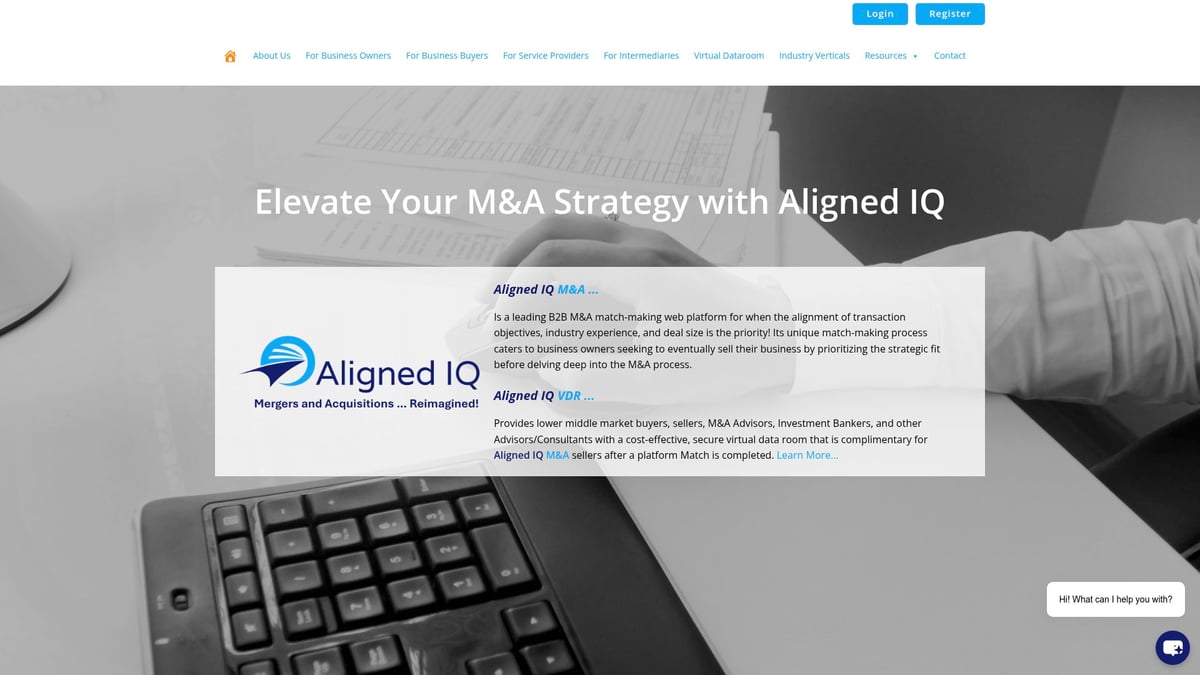
Buyers benefit from exclusive access to opportunities that fit their exact criteria. M&A service providers can earn referral fees and expand their reach within industry verticals. The platform’s confidential matchmaking process accelerates successful exits and reduces deal failures. For secure due diligence, Aligned IQ VDR offers complimentary access to matched sellers and competitive pricing for others, with details at VDR pricing. Take a Tour to experience this innovative approach firsthand.
Step 4: Marketing Your Business and Managing Buyer Inquiries
Effectively marketing your company is essential when considering how do you sell your business in 2026. The right approach attracts qualified buyers, maintains confidentiality, and lays the foundation for a smooth transaction. Leveraging modern tools and digital platforms gives sellers a distinct edge in today’s market.

Crafting Effective Marketing Materials
Strong marketing materials are the backbone of how do you sell your business effectively. The Confidential Information Memorandum (CIM) should combine clarity with discretion, highlighting strengths without exposing sensitive data. Include financial summaries, growth opportunities, detailed operations, and descriptions of key customer relationships.
Balance transparency with confidentiality by omitting proprietary details until buyers are fully qualified. Digital outreach and targeted industry networks expand your reach while protecting your company’s identity. In a typical scenario, businesses with well-crafted CIMs and organized documentation attract more serious inquiries and higher offers.
Modern sellers also benefit from interactive presentations and data-driven insights. This approach ensures buyers see the full value proposition, increasing confidence and engagement throughout the process.
Managing Buyer Communications
Managing inquiries is a pivotal aspect of how do you sell your business with success. Qualify each prospective buyer discreetly, assessing their background, financial capability, and strategic fit before sharing further information. Respond promptly to questions, providing accurate data and addressing concerns to maintain momentum.
Organize communications efficiently by tracking each inquiry, scheduling management meetings, and coordinating site visits. A typical process flows from initial inquiry to a Letter of Intent (LOI), with clear steps at each stage. For detailed strategies on handling this process, review Managing Buyer Inquiries Effectively.
Platforms like Aligned IQ M&A offer a semi-proprietary environment, pre-qualifying buyers and matching them based on strategic priorities. This confidential, low-risk approach ensures sellers connect only with serious, aligned candidates, reducing wasted time and maximizing deal success.
Using Virtual Data Rooms (VDRs) for Secure Due Diligence
A critical step in how do you sell your business is facilitating secure due diligence. Virtual Data Rooms (VDRs) enable sellers to store, share, and control access to sensitive documents. Features like permission controls and audit trails safeguard confidentiality and provide transparency to buyers.
Aligned IQ VDR stands out with competitive pricing, offering complimentary access to matched sellers through Aligned IQ M&A and flexible plans for buyers, intermediaries, or service providers. See VDR pricing for details. The VDR simplifies due diligence, minimizes risk, and accelerates the sale process.
Sellers benefit from a streamlined workflow, while buyers gain confidence in a secure, organized review environment. Experience these advantages firsthand—Take a Tour and see how Aligned IQ supports your successful business exit.
Step 5: Negotiating the Deal and Closing Successfully
Finalizing your exit is where preparation and strategy truly pay off. In today’s market, how do you sell your business for maximum value? It starts with a clear understanding of deal structures, focused negotiations, and leveraging secure, modern platforms for a seamless closing process.
Structuring Offers and Negotiating Terms
When considering how do you sell your business, start by evaluating the structure of offers. Common structures include asset sales, stock sales, earn-outs, and seller financing. Each option affects risk, taxes, and payout timing differently.
Key negotiation points typically include price, payment terms, contingencies, and non-compete agreements. Flexibility with terms, such as earn-outs or phased transitions, often leads to quicker and more successful closes, especially when buyers seek to mitigate risk.
Counter-offers and buyer objections are common, so anticipate them and prepare responses supported by data. In a typical scenario, sellers who remain open to creative structures achieve smoother negotiations and better outcomes. Always document agreements thoroughly and ensure all terms align with your exit objectives.
Due Diligence and Legal Considerations
The due diligence phase is critical in how do you sell your business successfully. Buyers will request a comprehensive checklist, covering financials, operations, legal compliance, HR, and any outstanding obligations. Sellers need to prepare detailed disclosures and accurate representations to avoid surprises or delays.
Work closely with your attorney to draft and review purchase agreements, disclosure schedules, and closing documents. Legal expertise helps protect your interests and ensures compliance with current regulations.
For a deeper dive into preparing documents and understanding each step, explore the Steps to Sell a Business guide. Leveraging secure solutions like Aligned IQ VDR—complimentary for matched sellers, competitively priced for others—ensures confidential, efficient document sharing throughout due diligence.
Ensuring a Smooth Transition
A successful sale does not end at closing. Planning for a smooth post-sale transition is essential to maximize value when considering how do you sell your business. This includes preparing training materials, facilitating knowledge transfer, and ensuring integration with the buyer’s operations.
Clear communication with employees, customers, and stakeholders builds trust and preserves business continuity. Remember, 70 percent of failed deals are attributed to poor post-sale integration, highlighting the importance of a structured handover.
Aligned IQ M&A’s confidential matchmaking and proprietary deal flow reduce the risk of deal failure, while Aligned IQ VDR’s secure environment streamlines information sharing and integration. For pricing details, visit VDR pricing. Ready to see how these solutions work? Take a Tour and experience the difference.
Key Trends and Best Practices for Selling Your Business in 2026
Staying ahead of the curve is crucial when asking how do you sell your business in the evolving 2026 market. Sellers who understand the latest trends, best practices, and expert strategies position themselves for greater success and smoother transitions. Let us explore what is shaping the M&A landscape and how you can adapt for maximum value.
Emerging Trends in the M&A Landscape
In 2026, digital marketplaces have overtaken traditional deal sourcing, making it easier to connect with strategic buyers. Platforms like Aligned IQ M&A offer semi-proprietary access to opportunities, giving both sellers and buyers a confidential, low-risk environment. There is a growing demand for businesses with strong digital assets and recurring revenue, as highlighted by recent small business acquisitions in 2023. ESG (Environmental, Social, Governance) factors are now key, influencing both business valuations and buyer interest. When considering how do you sell your business, anticipating these shifts and aligning your strategy accordingly is vital.
Best Practices for Sellers
Early planning remains essential. Owners who start preparing one to three years in advance often achieve higher valuations and faster closes. Leveraging technology, like Aligned IQ M&A for matchmaking and the Aligned IQ VDR for secure, competitively priced due diligence (VDR pricing), ensures your process is efficient and confidential. Prioritize cultural alignment and strategic fit with buyers, rather than just price. Staying up to date on regulatory and tax changes will help answer the question of how do you sell your business to the right buyer, at the right time, with minimal risk.
Expert Insights and Actionable Tips
To maximize value, avoid common pitfalls such as poor documentation or over-valuation. Rely on experienced advisors to help you navigate complex negotiations and ensure your business is presented in the best light. Review industry-specific valuation methods, as outlined in three business valuation methods, to set realistic expectations. Ongoing education and market awareness are your best tools—regularly ask yourself how do you sell your business amid changing trends. For a modern, secure, and results-driven approach, consider taking a tour of Aligned IQ M&A and its integrated VDR.
Now that you have a clear roadmap for selling your business in 2026—from preparing your financials to finding the perfect buyer and managing due diligence securely—it makes sense to see firsthand how a modern M&A platform can transform your experience. With Aligned IQ M&A, you can connect privately with qualified buyers, prioritize strategic fit, and use robust digital tools like a complimentary virtual data room after a match is made. If you are curious to see how these features can help you achieve a smoother, more successful exit, I invite you to Take a Tour!
No responses yet