

Navigating the sale of a business is more complex than ever. Shifting regulations, evolving buyer expectations, and emerging technologies are transforming how deals unfold.
This essential guide empowers owners and stakeholders to master the sale of business process. You will gain up-to-date strategies, legal knowledge, and proven best practices to maximize value while minimizing risks.
Whether your goal is financial security, preserving your legacy, or exploring new ventures, this guide offers actionable steps tailored to today’s market. Ready for a smooth, profitable exit? Take a tour of the essential steps ahead.
Understanding the 2025 Business Sale Environment
Navigating the business landscape in 2025 requires a clear understanding of new market realities. Owners need to adapt to evolving regulations, shifting buyer profiles, and dynamic economic influences. The environment is more competitive, data-driven, and nuanced than ever, making preparation essential for lower-middle market sellers.

Current Market Trends and Buyer Profiles
Private equity groups, strategic acquirers, and international investors are increasingly active, especially in sectors like Food and Beverage, Biotechnology, and Healthcare. Digital platforms now play a major role in deal sourcing, making confidential matchmaking more efficient and broadening access for sellers.
Competition for strong lower-middle market businesses is fierce. According to the BizBuySell Insight Report 2024, private equity-led acquisitions rose 15 percent last year, with a noticeable uptick in industry specialization and focus on operational synergies. Buyers now expect transparent, organized documentation and proven value drivers from sellers.
These trends highlight the need for businesses to present clean financials and clearly demonstrate their strengths. Proprietary platforms like Aligned IQ offer sellers a confidential, low-risk way to connect with serious buyers who prioritize strategic fit and industry expertise.
Regulatory and Legal Changes in 2025
Recent changes in federal and state regulations have reshaped the sale of business process. New IRS guidance impacts how assets are classified and how gains or losses are reported, which directly affects negotiations and post-sale tax obligations. Updates in antitrust, labor, and environmental laws have increased the depth and complexity of due diligence required for every transaction.
Compliance is now a critical factor in avoiding delays or deal failures. Sellers must ensure that all records, contracts, and licenses are current and accurate. Environmental services and green industry businesses, for example, face rigorous new reporting standards that can influence buyer confidence. Legal advisors recommend proactive audits to uncover and address potential risks before entering the market.
Proper preparation and understanding of these legal shifts protect sellers and buyers alike, ensuring smoother transaction timelines.
Economic Factors Influencing Valuations
Economic conditions play a significant role in the sale of business outcomes. Interest rates and inflation are key variables that shape deal multiples and buyer appetite. In 2025, technology and healthcare businesses continue to command higher valuations due to robust growth and recurring revenue streams.
Sector-specific risks and opportunities also affect pricing. For example, industrial products and testing companies may see fluctuating demand based on global supply chain trends. Understanding these factors helps sellers set realistic expectations and negotiate from a position of strength.
A well-informed approach to valuation, considering both macroeconomic trends and industry-specific data, is essential. Sellers who grasp these dynamics are better equipped to achieve optimal results in the competitive 2025 marketplace.
Preparing Your Business for Sale: Steps and Best Practices
Preparing for the sale of a business in today’s market goes beyond simply listing your company. Owners must approach the process proactively, with attention to financial health, legal structure, growth drivers, and the right advisory support. Following these steps can help you unlock the full value of your business and ensure a smooth transition.

Financial and Operational Readiness
A strong first impression starts with financial transparency and operational discipline. Before initiating a sale of business, owners should ensure their financial statements are accurate, up-to-date, and free of discrepancies. Auditing tax compliance, settling outstanding liabilities, and streamlining operations are essential. According to industry data, companies with clean financials often see 10 to 20 percent higher sale prices.
Many buyers now require a Quality of Earnings (QofE) review before completing a transaction. For the pros and cons of a QofE for buyers and sellers, rad our blog article called “The Role of a Quality of Earnings (QoE) Review in M&A Transactions: Pros and Cons for Buyers and Sellers.“
Documenting business processes, standardizing reporting, and organizing contracts or leases can further reduce buyer concerns. For a detailed checklist on how to optimize your operations and financials, see Preparing your business for sale. These steps are particularly crucial for sectors like Food and Beverage or Healthcare, where regulatory scrutiny can be high.
Legal Structuring and Ownership Considerations
Legal readiness is a cornerstone of a successful sale of business. Owners should review their business structure, whether LLC, corporation, or partnership, as this impacts both the sale process and tax outcomes. Addressing minority interests, updating partnership agreements, and securing intellectual property protections are vital.
Make sure all corporate records and contracts are current, with proper signatures and dates. This preparation helps prevent delays or disputes later in the transaction. In industries such as Biotechnology and Pharmaceuticals, maintaining accurate legal documentation is especially important due to complex regulatory environments.
Enhancing Business Value
Maximizing business value before a sale of business requires focus on key drivers. Secure long-term customer contracts, build recurring revenue streams, and invest in proprietary or semi-proprietary technology. Reducing owner dependency is another powerful strategy—buyers are more attracted to companies with strong, autonomous management teams.
For example, Environmental Services businesses that demonstrate transferable customer relationships tend to draw more interest and higher offers. Documenting operational know-how and training staff can make your business more appealing and easier to transition.
Assembling the Right Advisory Team
A well-chosen advisory team is instrumental throughout the sale of business process. Experienced M&A advisors, accountants, and legal counsel provide invaluable expertise, especially when they understand your industry.
According to recent studies, 75 percent of successful lower-middle market transactions involve professional intermediaries. Their guidance helps with negotiations, due diligence, and compliance, reducing risks and increasing the likelihood of a favorable outcome. Choose advisors with a proven track record in your sector to ensure the best possible support.
Business Valuation and Pricing Strategies
Understanding how to value your company is the foundation of any successful sale of business. Buyers and sellers alike rely on proven strategies to ensure fair pricing, minimize risk, and maximize returns. In 2025, shifting market forces and evolving buyer expectations demand a sharper, data-driven approach.

Valuation Methods and Approaches
Selecting the right valuation method is crucial for a transparent sale of business. Common approaches include asset-based, income-based, and market-based techniques. Asset-based valuation calculates net asset value, often used in industries like Chemicals and Materials or Industrial Products.
Income-based valuation, such as discounted cash flow, focuses on future earnings potential. Market-based valuation relies on comparing recent sales within similar industry verticals. For example, EBITDA multiples are frequently used for Pet Care and Healthcare businesses. The IRS requires careful asset classification, so compliance is essential to avoid costly disputes.
To deepen your understanding, explore this guide on understanding business valuation, which covers these methods in detail.
Factors Affecting Business Value in 2025
The sale of business process in 2025 is shaped by several key value drivers. Revenue growth, profitability, and stable cash flow remain at the core. However, market position and customer concentration are gaining new importance, especially in sectors like Food and Beverage or Environmental Services.
Industry-specific risks and emerging trends can dramatically influence value. For instance, recurring revenue streams and proprietary technology in Biotechnology and Pharmaceuticals are especially attractive to strategic buyers. A strong management team and documented processes further enhance appeal to both private equity and international investors.
Negotiation Tactics and Flexibility
A successful sale of business often hinges on your negotiation strategy. Flexible deal structures, such as earnouts or seller financing, can bridge gaps between buyer and seller expectations. For example, earnouts are increasingly common in deals involving technology or healthcare businesses.
Balancing price with favorable terms and clear conditions is essential. Tailoring the offer to accommodate buyer needs, while securing your own priorities, improves the likelihood of closing. Flexibility and creativity in structuring terms can make your business stand out in a competitive market.
Tax Implications and Legal Considerations
Navigating tax and legal challenges is central to a successful sale of business. Owners in sectors like Food and Beverage or Healthcare face evolving IRS regulations, shifting legal requirements, and increased scrutiny. Understanding the latest rules helps maximize after-tax proceeds and avoid costly errors.
Tax Treatment of Asset vs. Stock Sales
The tax outcome of a sale of business depends on whether it is structured as an asset sale or a stock sale. In an asset sale, each business asset is treated as a separate transaction, with gains or losses classified under IRS Section 1231, capital gains, or ordinary income. This structure often benefits buyers, who can step up asset bases for depreciation. In a stock sale, ownership shares transfer as capital assets, usually resulting in favorable long-term capital gains for sellers. The choice affects both parties’ tax liabilities, making early consultation with tax advisors essential for lower-middle market deals.
Allocation of Consideration and the Residual Method
When completing a sale of business, the purchase price must be allocated among tangible assets, intangibles, and goodwill according to the IRS-mandated residual method. This step-by-step allocation, detailed in IRS Publication 541, impacts both immediate taxation and future depreciation. For example, assigning more value to equipment can increase a buyer’s depreciation deductions, while sellers may prefer allocations favoring capital gains. Improper allocation may trigger audits or penalties, so it is vital to document the rationale and consult professionals familiar with your industry, such as Biotechnology or Industrial Products.
Managing Liabilities and Indemnification
A critical phase in the sale of business is identifying and disclosing all liabilities, including contingent and off-balance-sheet risks. Sellers must provide full transparency, while buyers should require indemnification provisions that protect against unknown obligations. Effective due diligence is key to uncovering hidden issues that could derail the transaction. For more on common risks and how to address them, see Avoiding exit planning pitfalls. This approach ensures both parties are protected and fosters trust throughout the process.
Legal Documentation and Compliance
Every sale of business requires precise legal documentation. Key agreements include the letter of intent, purchase agreement, non-compete, and transition services contracts. Compliance with employment, environmental, and industry-specific regulations is essential. For instance, the inability to transfer required licenses in sectors like Environmental Services can be a deal-breaker. Lower-middle market sellers benefit from platforms like Aligned IQ, which prioritize confidentiality and connect owners with vetted legal experts for a secure, low-risk process. Proper documentation and compliance planning are crucial for a seamless closing.
Deal Structuring, Negotiation, and Closing Process
Navigating the deal structuring, negotiation, and closing process is where the sale of business truly comes to life. For lower-middle market companies, understanding the right structure, due diligence, regulatory hurdles, and closing steps is crucial to achieving a smooth and profitable exit.
Types of Deal Structures
Selecting the right deal structure can define the outcome of a sale of business. In the lower-middle market, most transactions are structured as either asset purchases or equity purchases. Asset purchases allow buyers to select specific assets and assume fewer liabilities, which is popular in industries like Food and Beverage or Environmental Services.
Common payment structures include:
- All-cash deals, providing immediate liquidity
- Seller financing, where the seller receives payments over time
- Earnouts, linking future payments to business performance
According to recent data, earnouts were used in 35% of transactions last year, especially in sectors like Healthcare and Biotechnology. Flexibility in structure helps bridge valuation gaps and attracts a wider pool of buyers. For more insights on how market trends may impact your deal, see 2025 Business Sales Market Trends and our blog article “The Dealmakers Playbook – Flexibility“
Due Diligence and Disclosure
Due diligence is a critical step in the sale of business, ensuring the buyer has a clear understanding of the company’s operations, finances, and risks. Sellers should prepare comprehensive documentation, including:
- Updated financial statements
- Customer and supplier contracts
- Compliance records
- Intellectual property details
Transparency is vital, as 20% of deals fail during due diligence due to undisclosed issues. Leveraging digital deal rooms or specialized M&A platforms, as highlighted in Small Business Acquisition Trends 2025, streamlines this process and increases buyer confidence.
Navigating Regulatory Approvals and Third-Party Consents
Securing all necessary approvals can make or break the sale of business. Key approvals include:
- Government and regulatory body clearances
- Lender and landlord consents
- Customer and supplier notifications
Failure to obtain timely approvals or consents can delay closing. This is especially relevant in regulated industries where licenses and permits are essential for transfer. Early planning and proactive communication with all stakeholders are essential for a timely close.
Closing the Transaction
The closing phase finalizes the sale of business and ensures a seamless transition to new ownership. Key steps include:
- Executing the purchase agreement and related legal documents
- Transferring funds and business assets
- Managing post-closing obligations, such as training or transition services
A well-orchestrated handover builds trust and preserves business value. Sellers should work closely with their advisory team to address any last-minute issues and guarantee a smooth closing. For a confidential and secure experience tailored to your industry, consider taking a tour of platforms designed for lower-middle market sellers.
Leveraging Technology and Expert Resources for a Successful Sale
Navigating the modern sale of business landscape requires more than intuition. Today, leveraging digital tools and expert guidance can mean the difference between a seamless exit and a missed opportunity. Owners who understand and utilize these resources are best positioned for success.
Digital Platforms and M&A Marketplaces
Digital platforms have revolutionized the sale of business process for lower-middle market owners. Online M&A marketplaces now connect sellers and buyers across industries like food and beverage, healthcare, and industrial products, all while maintaining strict confidentiality.
These platforms increase reach, streamline document sharing, and help manage due diligence through secure digital deal rooms. By using advanced matching algorithms, business owners can identify buyers with relevant experience and strategic interests. This efficiency often results in faster, more competitive transactions and reduces the administrative burden compared to traditional methods.
Utilizing Industry-Specific Advisors and Networks
The complexity of a sale of business demands expertise tailored to your sector. Industry-specific advisors understand market trends, regulatory environments, and the nuances of specialized fields such as biotechnology, environmental services, or pet care.
Engaging professionals with relevant experience can uncover hidden value drivers and anticipate challenges unique to your business. To ensure you assemble the right team for your transaction, refer to Assembling your M&A advisory team, which details how to align expertise with your goals. Having the right advisors on your side is critical for a smooth and profitable exit.
Educational Tools and Exit Planning Resources
Comprehensive educational resources now support every stage of the sale of business journey. Proprietary exit planning tools, checklists, and guides help owners clarify objectives, assess readiness, and develop transition timelines.
These resources provide actionable steps for cleaning up financials, evaluating tax impacts, and strengthening operational processes. Business owners can often use industry-specific planning templates to address critical details before going to market. Access to tailored education empowers sellers to make informed decisions that maximize value.
How Aligned IQ Transforms the M&A Experience
Aligned IQ sets a new standard for the sale of business in the lower-middle market. Its web-based platform ensures confidentiality, prioritizes strategic fit, and screens buyers by industry expertise and values before deep engagement.
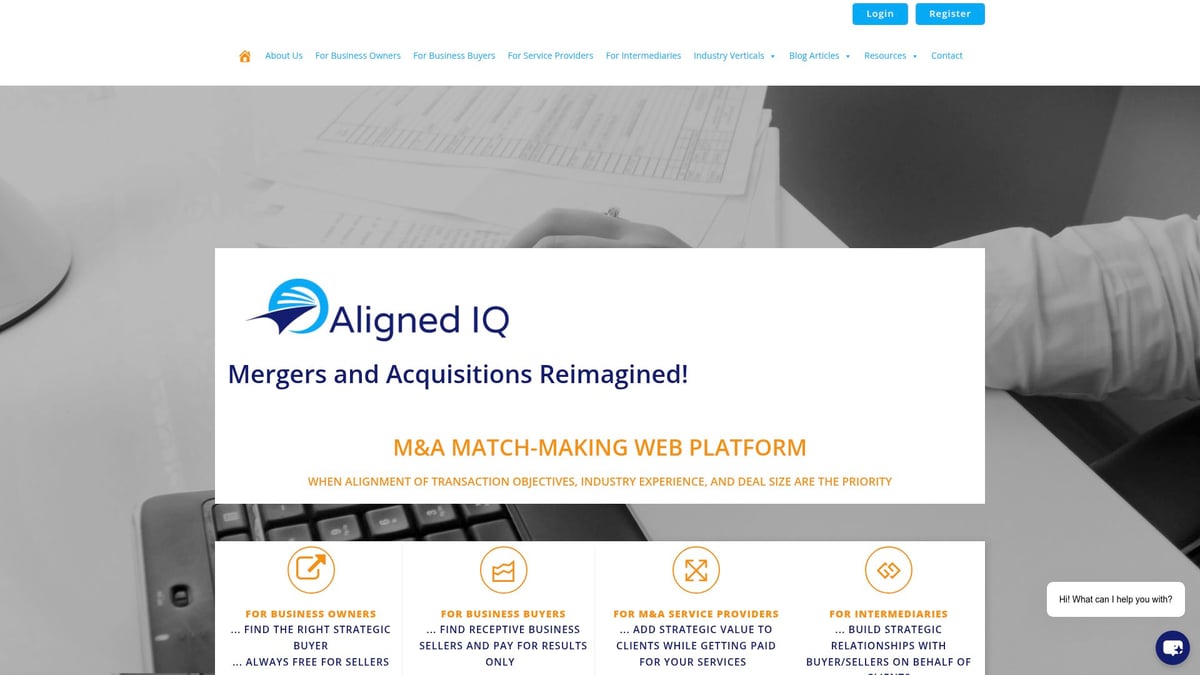
Unlike traditional M&A processes, Aligned IQ offers a low-risk, secure environment with no upfront fees for sellers and a pay-for-results approach for buyers. The platform’s vetted service provider network covers legal, financial, and advisory needs, supporting sectors from green industry to testing and measurement. Real-world success stories show business owners connecting with strategic buyers who align with their vision. Take a Tour to see how Aligned IQ can drive your successful exit.
As you consider the evolving landscape of M&A in 2025, it’s clear that preparing for a successful transition takes more than just understanding regulations and market trends. By focusing on strategic fit, leveraging industry expertise, and embracing modern digital platforms, you can truly maximize the value and experience of your sale. If you’re curious how this people-first approach looks in action, I invite you to explore Aligned IQ’s unique platform for M&A matchmaking and see how it’s transforming connections for business owners like you.
Take a Tour!
No responses yet