

Will your next deal succeed or stall because of unexpected data room pricing? In the lower-middle market, every dollar counts, and choosing the right virtual data room can be the difference between a smooth transaction and costly surprises.
This guide cuts through the confusion, revealing how data room pricing works and how you can leverage it for smarter, more confidential deal execution. Whether you are a business owner, advisor, or strategic buyer, you will find real-world examples and straightforward strategies to maximize your ROI.
Discover the pricing models, hidden fees, and key features that set proprietary platforms like Aligned IQ apart from traditional providers. Get ready to follow a clear, actionable roadmap to secure the best value for your next confidential M&A deal.
Understanding Data Room Pricing Models
Selecting the right data room pricing model is critical for lower-middle market buyers, sellers, and advisors. Each model impacts the total cost, transparency, and flexibility of your deal process. By understanding these structures, you can avoid common pitfalls and maximize value in confidential M&A transactions.
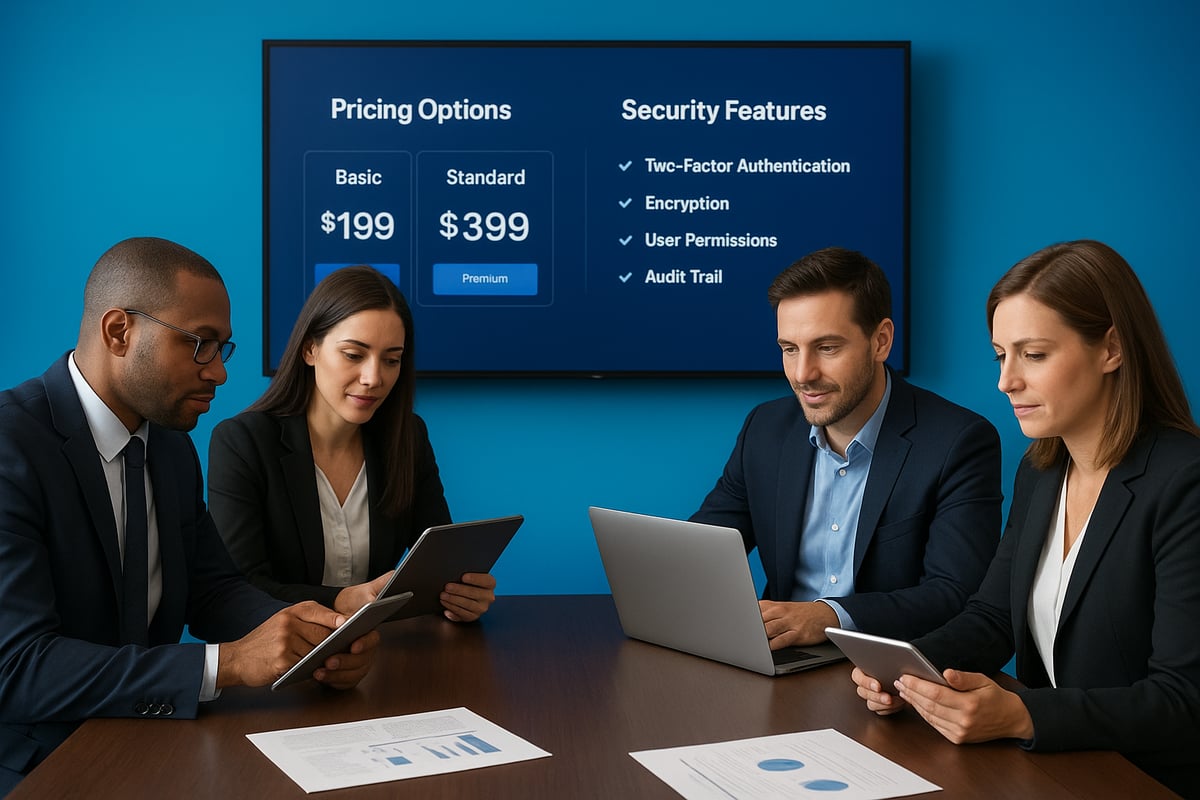
Overview of Common Pricing Structures
Data room pricing models vary widely, shaping how you pay for secure document sharing during a deal. Here are the most common structures:
- Per-page pricing: Still offered by legacy providers, this model charges $0.35 to $0.80 per page. It can escalate quickly as documents accumulate.
- Per-user pricing: Ranges from $15 to $75 per user each month. It works well for smaller deal teams but can become costly as more users join.
- Storage-based pricing: Costs run from $60 to over $1,000 per GB per month. This suits data-heavy industries but carries risk if storage needs are unpredictable.
- Flat monthly fee: From $400 to $5,000 or more, this model includes unlimited users and storage, ideal for scalable or ongoing deals.
- Annual subscriptions: Typically 20 to 30 percent cheaper than monthly plans, these offer value for repeat transactions but less flexibility for short-term projects.
- Hybrid/custom models: Providers may blend features, users, and storage into tailored plans.
For a deeper dive into these structures, see this Virtual Data Room Pricing Models Explained guide.
Pros and Cons of Each Model
Choosing the right data room pricing approach depends on your deal's needs. Here are the main advantages and drawbacks:
- Per-page: Predictable for small projects, but costs soar in due diligence. For example, 75,000 pages could mean $37,500 in fees.
- Per-user: Stable for teams with minimal changes, but expenses rise quickly during late-stage negotiations with more participants.
- Storage-based: Works for known file volumes, yet overage fees can be steep, sometimes exceeding $1,000 per extra GB.
- Flat fee: Best for multiple deals or larger teams, though it might be excessive for a single, short-term transaction.
- Annual: Offers savings for steady deal flow, but early exit can trigger penalties.
- For lower-middle market: Flat fee and per-user models often provide the most predictable data room pricing for smaller, confidential deals.
Understanding these pros and cons helps you select a model that aligns with your risk tolerance and transaction profile.
Real-World Example Comparisons
Comparing providers side by side reveals how data room pricing impacts real deals. Here is a summary of leading platforms often used in the lower-middle market:
| Provider | Pricing Structure | Typical Cost | Features/Notes |
|---|---|---|---|
| DealRoom | Annual, flat fee | $12,000–$25,000/yr | Unlimited users, 1–3 GB storage |
| Onehub | Monthly, flat fee | $300/mo (Data Room) | 1,000 users, unlimited storage |
| Digify | Monthly, tiered | $190–$500/mo | 1–3 users, scalable rooms, enterprise options |
| Intralinks/Datasite | Custom, often per-page | $50K–$200K+/yr | High for mid-market, premium features |
| Citrix ShareFile | Per-user, monthly | $67.50–$75/user/mo | 5-user minimum, advanced analytics |
Transparent, scalable data room pricing models are increasingly preferred by lower-middle market buyers and sellers. Providers like Onehub, Digify, and DealRoom make costs clear up front, while traditional platforms may rely on custom quotes and hidden fees. Choosing the right provider ensures you pay only for what you need and can focus on executing a confidential, efficient transaction.
Key Factors Influencing Data Room Costs
Understanding what drives data room pricing is essential for buyers, sellers, and advisors aiming to maximize value and minimize surprises. Let us break down the main factors that shape your total spend, with a focus on lower-middle market M&A.

Deal Size and Complexity
Deal size and complexity are the most direct cost drivers in data room pricing. The more users you add, the higher the fee, especially on per-user or flat-fee plans. Document-heavy deals, such as those with extensive due diligence, can quickly inflate costs on per-page or storage-based pricing.
| Factor | Impact on Cost | Example Scenario |
|---|---|---|
| User Count | Raises per-user or flat-fee pricing | 10 users for 6 months |
| Document Volume | Affects per-page/storage pricing | 10GB of contracts and financials |
| Deal Duration | Longer time = higher subscription fee | 6-month add-on acquisition |
For instance, a lower-middle market seller running a 6-month, 10-user, 10GB project might pay $3,000 to $6,000 on a modern subscription plan, but tens of thousands if stuck with legacy per-page billing. For a deeper dive into best practices, see Virtual Data Room Pricing Factors and Best Practices.
Security and Compliance Features
Security and compliance are non-negotiable for most confidential transactions, and they play a major role in data room pricing. Top providers invest in certifications like SOC 2, ISO, HIPAA, or GDPR, which add assurance and cost. Features such as granular permissions, two-factor authentication, and dynamic watermarking are essential for regulated sectors.
Advanced controls, like custom NDAs, audit logs, and single sign-on, are often bundled in higher-tier plans. Platforms like Aligned IQ and DealRoom include enterprise-grade security as standard, while legacy vendors may charge a premium for similar protections. Lower-middle market sellers benefit from this built-in security, keeping sensitive documents shielded from unnecessary risk.
Support, Integrations, and Customization
Support, integrations, and customization options are increasingly expected as part of data room pricing. Premium support, including 24/7 help or live onboarding, ensures smooth adoption for teams new to virtual data rooms. Integrations with Office tools, Salesforce, or APIs can streamline workflows but may increase costs.
Custom branding and white-label URLs are available in enterprise or custom tiers, making the data room feel like a seamless extension of your business. Lower-middle market platforms like Onehub and Digify offer these features in upper-tier plans, while Aligned IQ provides tailored onboarding and support for confidential, off-market processes.
Additional Cost Drivers
Beyond the basics, extra costs can sneak in. Data migration, user overages, and add-on features all impact data room pricing. Free trials, often available for 7 to 30 days, let you test fit before committing. For lower-middle market deals, choosing a provider with flexible, all-in-one pricing helps avoid hidden charges and maintains strict confidentiality throughout your transaction.
Virtual Data Room Pricing: Lower-Middle Market Insights
Lower-middle market M&A requires a specialized approach to data room pricing. With smaller deal teams, strict confidentiality, and careful budget management, choosing the right virtual data room can have a significant impact on deal success. Buyers, sellers, and advisors in this segment must navigate pricing models designed for flexibility, predictability, and robust security.
Unique Needs of Lower-Middle Market M&A
Lower-middle market transactions bring distinct requirements to the forefront. Confidentiality is paramount, as private sellers often wish to avoid public exposure or competitive leaks. Small business owners and boutique advisors need cost predictability, making surprise fees or variable pricing a real concern.
Many deals involve add-ons, partial recapitalizations, or strategic buyer matches, typically with fewer users but high sensitivity. In this landscape, solutions like Aligned IQ VDR stand out by offering complimentary access to matched sellers. This approach removes upfront barriers and aligns with the unique expectations of lower-middle market participants. For a deeper understanding of these market dynamics, see the Lower-middle market PE firms resource for detailed insights.
How Pricing Models Impact Value
The impact of data room pricing models is magnified in the lower-middle market. Flat fee and bundled pricing are favored, as they reduce administrative burden and eliminate the risk of unexpected overages. These models ensure that all necessary features and security measures are available without incremental charges.
In contrast, per-user or per-page pricing can create challenges for sellers exploring multiple options or for deals with fluctuating team sizes. Storage-based models rarely provide optimal value unless unusually large files are involved. Free trials and demo access are especially valuable, allowing both buyers and sellers to evaluate fit and usability before making a commitment. This flexibility is essential for efficient, low-risk deal execution.
How Aligned IQ VDR Supports Lower-Middle Market M&A
Aligned IQ VDR is purpose-built for lower-middle market M&A, providing features that address the sector’s most pressing needs. Its proprietary matchmaking connects buyers and sellers based on strategic fit, not just transaction size or volume. For sellers, complimentary VDR access removes the cost barrier and ensures confidential, secure document sharing from the start.
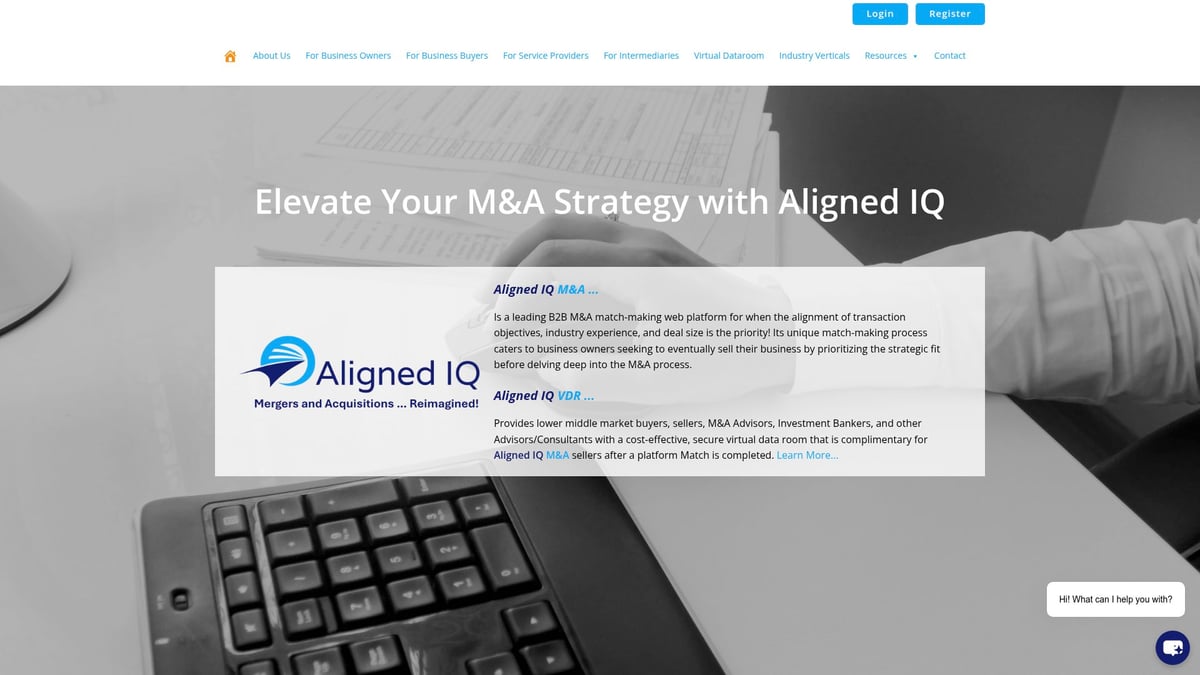
Enterprise-grade security is included as standard, with permissions, tracking, and analytics tailored for smaller, highly sensitive transactions. There are no upfront listing fees, so sellers can quietly explore exit options with minimal risk. Buyers benefit from a pay-for-results model, aligning costs with successful outcomes and maximizing data room pricing value.
Industry-specific folder structures and workflows further streamline the process, ensuring that all parties can focus on what matters most—achieving a successful, confidential transaction. Take a Tour to experience how Aligned IQ VDR transforms deal management for buyers, sellers, and advisors in the lower-middle market.
Hidden Costs and How to Avoid Them
Even the most transparent data room pricing can conceal hidden costs that impact your bottom line. For lower-middle market buyers and sellers, these unexpected fees can erode deal value or introduce unwelcome surprises late in the process. Understanding where these costs hide is essential for making informed decisions and maximizing ROI.

Common Hidden Fees in Data Room Pricing
Hidden fees are a critical concern in data room pricing, especially when managing confidential transactions. Common culprits include:
- Overage charges for users, storage, or exceeding the number of projects allowed by your plan
- Setup, onboarding, or mandatory training fees that may not be disclosed upfront
- Document preparation or scanning costs, especially with per-page pricing models
- Early termination penalties in annual contracts, sometimes reaching 10 to 25 percent of the remaining balance
For example, some providers charge extra for large Excel files, special media types, or extending a deal’s duration beyond the original agreement. These costs can escalate quickly, particularly during pre-sale due diligence, when document volume and user access often increase unexpectedly.
How to Spot and Negotiate Hidden Costs
Spotting hidden costs in data room pricing requires proactive effort. Start by requesting a detailed quote that outlines every potential fee, including overages and add-ons. Compare your anticipated usage—users, storage, and projects—to the plan limits.
Negotiation is key. Ask for capped overage fees or bundled services where possible. Take advantage of free trials or demo periods to test workflows, support responsiveness, and see if the platform truly meets your needs. Transparent providers like Onehub and DealRoom publish their pricing, minimizing the risk of surprises.
Best Practices for Lower-Middle Market Buyers and Sellers
To avoid unexpected expenses, prioritize data room pricing models with flat-fee or bundled structures. Avoid per-page pricing for document-heavy deals, as costs can balloon rapidly during due diligence.
Leverage complimentary VDR access, such as that offered by Aligned IQ, to reduce upfront investment and maintain confidentiality. Seek platforms that provide clear, contractually defined support, upgrades, and feature paths. Providers like Digify and DealRoom allow unlimited users or projects in certain plans, making them ideal for dynamic lower-middle market teams.
Checklist: Questions to Ask Before Committing
Before finalizing your data room pricing agreement, ask these essential questions:
- What is included in the base price, and what triggers overage fees?
- Are support, training, and integrations bundled or billed separately?
- Can I upgrade, downgrade, or cancel without penalty?
- Is a free trial available to test the platform with my actual team and documents?
Taking these steps ensures you secure the right fit and avoid costly pitfalls.
How to Choose the Best Value Data Room for Your Deal
Selecting the right data room is a pivotal move for any lower-middle market transaction. Each deal has unique needs, and understanding data room pricing can be the difference between a seamless close and unexpected costs. Let’s walk through five practical steps to secure the best value for your next confidential deal.
Step 1: Define Your Deal Requirements
Begin by mapping out your deal’s essentials. Estimate the number of users, storage requirements, transaction duration, and the level of security or compliance needed. For sellers, especially those exploring off-market options, confidentiality is key.
Consider which features matter most: Q&A modules, audit logs, or branded portals. If you need guidance on integrating data room pricing into your business sale process, check the Sell-side advisory services overview for expert insights tailored to lower-middle market transactions.
Step 2: Compare Top Providers and Plans
Next, review leading platforms and their published data room pricing. Compare providers like Aligned IQ, Onehub, Digify, and DealRoom for transparent fees and robust security. Look for industry certifications, ease of use, and responsive support.
Benchmarking your options against current Virtual Data Room Market Trends Report 2025-2035 can help you understand evolving standards and pricing models. Use feature tables to clarify differences and spot the best fit for your team.
Step 3: Test with Free Trials and Demos
Always request a free trial or demo before committing. Upload sample documents, invite collaborators, and test permission settings. This hands-on approach helps you judge user experience, support quality, and the overall value behind data room pricing.
Simulating a real-world deal scenario ensures that the platform aligns with your workflow and security expectations. Look for intuitive dashboards and clear audit trails during your trial period.
Step 4: Negotiate Terms and Lock in Value
Once you have shortlisted options, negotiate for bundled features or multi-deal discounts. Ask for capped overage fees, custom onboarding, or flexible contract terms. Clarify early exit policies and upgrade paths to avoid surprise costs tied to data room pricing.
Many lower-middle market buyers and sellers benefit from annual commitments or packages that scale with deal flow. A clear agreement can save money and minimize risk as your transaction progresses.
Step 5: Onboard Your Team and Launch Securely
After selecting your provider, focus on onboarding. Train users, establish permission protocols, and set up NDAs and audit logs. Monitor usage closely so you can adjust your plan if data room pricing thresholds approach.
Platforms like Aligned IQ offer proprietary tools for confidential, low-risk deal management. Ready to experience the difference? Take a Tour and see how secure, scalable solutions can empower your next transaction.
Frequently Asked Questions About Data Room Pricing
Thinking about confidential deal management or planning to sell a business? Here are answers to the most common questions about data room pricing for the lower-middle market.
What’s the average cost for a data room in the lower-middle market?
Most lower-middle market deals see data room pricing between $3,000 and $10,000 per deal, though some providers like Aligned IQ offer complimentary options for matched sellers.
Are free virtual data rooms secure enough for M&A?
Free tools rarely meet the security standards needed for confidential transactions. Look for platforms with SOC 2 certification and features like granular permissions, especially when selling your business. See How to sell my business for more on secure processes.
How do I estimate total cost for my specific deal?
Calculate expected users, storage, and deal duration. Compare published pricing and request all-in quotes to avoid hidden fees.
What features are non-negotiable for confidential transactions?
Granular access controls, audit logs, watermarking, and industry-standard security are essential for any data room pricing plan.
Can I switch providers mid-deal? What are the risks/costs?
Switching is possible, but may cause delays and extra migration fees. Review contract terms for early exit penalties.
Do data rooms offer discounts for advisors or repeat business?
Yes, many providers offer discounts for advisors handling multiple deals or for repeat customers. Ask about bundled pricing.
How does Aligned IQ VDR differ from traditional providers in pricing and value?
Aligned IQ’s proprietary approach removes upfront fees for sellers, delivers enterprise-grade security, and supports confidential, low-risk exits, unlike traditional, expensive M&A data rooms.
Where can I take a tour or get a custom quote for my deal?
Take a Tour directly on the provider’s website to explore unique features and receive a tailored quote for your transaction.
Now that you have a clear picture of data room pricing models, hidden fees, and how value is shaped by your specific deal needs, the next step is to see these principles in action. If you want to experience firsthand how Aligned IQ’s virtual data room is purpose built for lower middle market M&A—balancing security, transparency, and cost efficiency—I encourage you to explore the platform directly. You can test features, navigate user flows, and see how the complimentary VDR for matched sellers can help you achieve your M&A goals with confidence. Ready to take the next step
[Take a Tour ](https app storylane io share fz7fruxih3pi)
No responses yet