

In today’s fast-moving deal environment, the stakes have never been higher for lower-middle market buyers, sellers, and advisors. Secure, efficient data room due diligence is now the dividing line between a successful transaction and a costly misstep.
This guide offers a step-by-step roadmap to help you confidently manage sensitive information, streamline collaboration, and meet evolving compliance demands. You’ll discover what a due diligence data room is, how to prepare and organize for review, which features truly matter, common pitfalls, and proven best practices for structuring and managing your virtual data room.
With M&A activity on the rise and digital due diligence tools quickly becoming the industry standard, sticking to outdated or insecure processes can expose your business to unnecessary risk. Here, you’ll find actionable guidance to ensure your next transaction is secure, efficient, and fully compliant. Ready to see what’s possible? Take a Tour of advanced data room solutions and elevate your deal process today.
Understanding Data Room Due Diligence
Navigating business transactions confidently starts with understanding data room due diligence. For lower-middle market buyers, sellers, and advisors, a secure virtual environment is now essential. This section demystifies what a due diligence data room is, how it adds value, and the most common ways it is leveraged in 2026.
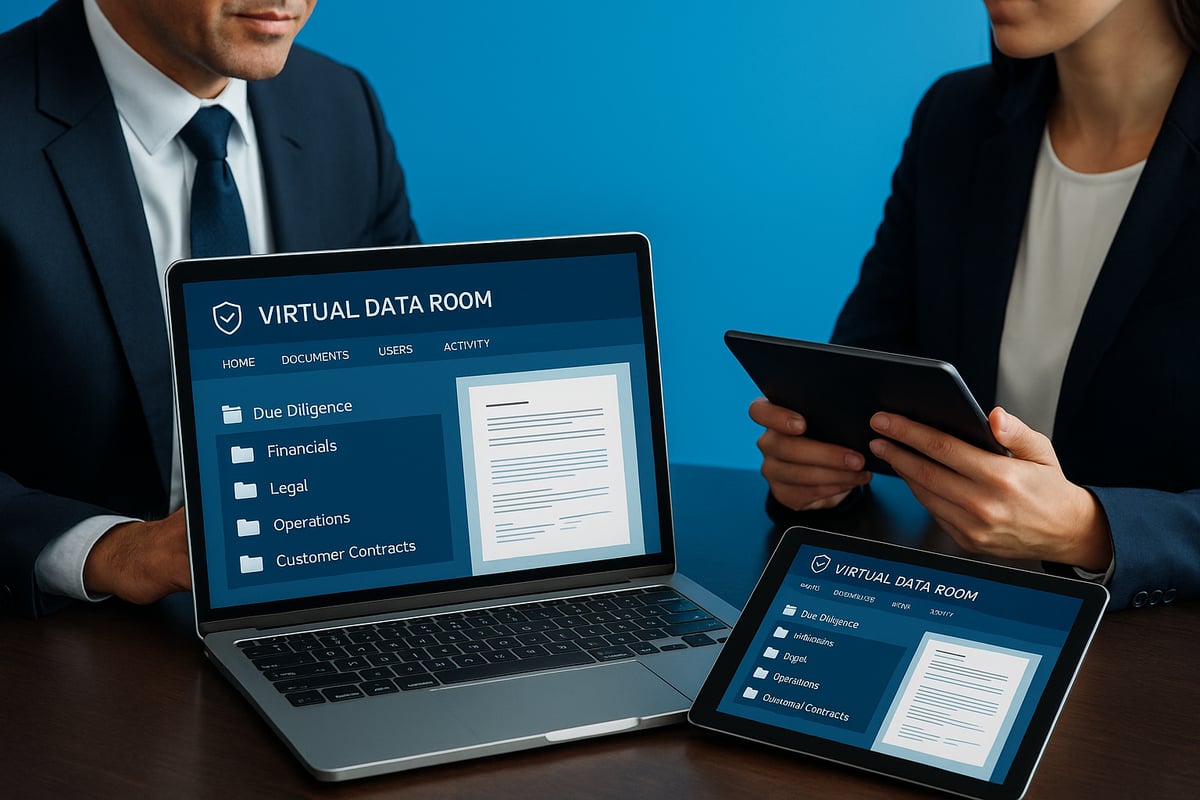
What is a Due Diligence Data Room?
A due diligence data room is a secure online repository designed to store and share confidential documents during M&A transactions. Unlike traditional physical data rooms, which required on-site visits and manual reviews, virtual data rooms offer rapid access, high-level security, and global reach.
Typical contents include:
- Financial statements and forecasts
- Legal contracts and compliance documents
- Human resources files and organizational charts
- Intellectual property records
In lower-middle market deals, data room due diligence ensures both buyers and sellers can review sensitive information efficiently. For example, a manufacturing business sale that once required weeks of travel and in-person review can now be completed remotely in days, speeding up the entire deal process.
Benefits of Virtual Data Rooms for Due Diligence
Virtual data rooms deliver several major benefits for data room due diligence:
- Security: Encryption, customizable permissions, and audit trails protect every document.
- Collaboration: Multiple stakeholders can access and review files remotely.
- Transparency: Detailed tracking shows who viewed, downloaded, or edited each file.
- Efficiency: Automated indexing, search, and version control reduce manual work.
According to Virtual Data Room Market Trends 2025-2035, 61% of enterprises now use virtual data rooms for M&A deals, highlighting their critical role in secure and efficient data room due diligence across industries.
Common Use Cases in 2026
Data room due diligence is now a standard for various transaction types, especially in the lower-middle market. Common scenarios include:
- Private business sales, add-ons, and recapitalizations
- Fundraising rounds and capital raises
- Real estate and asset transfers
- Legal, compliance, and intellectual property reviews
A recent example: A family-owned distribution company used a virtual data room to manage a confidential sale. By centralizing sensitive documents and controlling access, the owners minimized risk while enabling advisors and buyers to work efficiently, all without exposing proprietary information prematurely.
Essential Steps for Data Room Due Diligence
Embarking on data room due diligence requires a disciplined, step-by-step approach. Each phase builds a secure, transparent foundation for lower-middle market transactions, minimizing risk and ensuring all parties are aligned. Here is how to move from initial strategy to controlled access with confidence.

Step 1: Define Deal Objectives and Stakeholders
The first step in data room due diligence is to clarify the transaction's purpose, size, and desired outcomes. Identify every participant, from internal executives to external advisors, buyers, and legal teams. Early alignment on confidentiality, NDAs, and communication protocol is essential, particularly for lower-middle market deals where discretion is critical.
Strategic fit should be confirmed before document sharing. For instance, a family-owned manufacturer may first assess whether a buyer’s vision matches their legacy goals. This careful approach sets the stage for secure collaboration and keeps sensitive information protected.
Step 2: Prepare and Organize Documentation
Next, gather all relevant documents needed for data room due diligence: financial statements, legal contracts, HR files, IP assets, and tax records. Use a tailored checklist, reflecting your industry and deal size, to avoid gaps or outdated files. Redact information where necessary and ensure every document is current.
Efficient organization is vital. Templates can save time, especially in confidential business sales. For a deeper dive into this process, see the Sale of business process, which illustrates how proper preparation streamlines a $10M transaction and reduces deal friction.
Step 3: Select and Configure the Right Virtual Data Room
Selecting the ideal platform for data room due diligence means evaluating security, usability, and cost. Choose a virtual data room with granular permissions, watermarking, Q&A modules, and mobile compatibility. Set up a logical folder structure to mirror your due diligence checklist for intuitive navigation.
Configure user roles by assigning access levels, ensuring only authorized parties view or download sensitive content. Remember, data storage limits and user counts often impact pricing, so align your VDR choice with your transaction’s scale and complexity.
Step 4: Grant Access and Manage Permissions
Once the virtual data room due diligence environment is ready, invite users with carefully assigned permissions—such as view-only or download privileges. Set additional restrictions by time or IP address for extra security. Monitor invitation status and onboard new participants efficiently.
For example, during a competitive process, temporary access can be granted to outside counsel or buyer representatives, maintaining confidentiality while enabling thorough review.
Key Features to Prioritize in a Due Diligence Data Room
Selecting the right data room due diligence platform is crucial for lower-middle market buyers, sellers, and advisors. The right features not only protect sensitive information but also streamline workflows, simplify compliance, and enhance deal outcomes. Let us explore the most important capabilities to prioritize.

Security and Compliance
For any data room due diligence process, robust security is non-negotiable. Look for end-to-end encryption, two-factor authentication, and dynamic watermarking to protect confidential files. Compliance with standards like ISO 27001, SOC 2, HIPAA, and GDPR is essential, especially when handling financial or healthcare data.
Remote shred and instant access revocation give you control, even after documents have been shared. Comprehensive audit trails simplify regulatory reporting and demonstrate accountability in every transaction. For actionable tips on identity management, encryption, and logging, see Security Best Practices for Your Due Diligence Data Room.
A lower-middle market healthcare business, for example, can avoid costly breaches and regulatory fines by leveraging these features. Prioritizing security in your data room due diligence builds trust and supports a smooth, compliant process.
Advanced Document Management
Efficient document management is at the heart of data room due diligence. Bulk upload, automatic indexing, and version control keep files organized and accessible. Integration with cloud storage platforms, such as Google Drive or Dropbox, speeds up the transfer of large document sets.
Utilize full-text search and smart filters to quickly locate key contracts or financials. Document expiration and archive features reduce clutter and ensure only current information is visible. For a family-owned business selling after decades of operation, these tools dramatically reduce review time and minimize errors during data room due diligence.
User and Access Controls
Granular user permissions are a cornerstone of effective data room due diligence. Assign roles by individual or group, limiting access to sensitive intellectual property or HR documents as needed. Configurable notifications and bulk invitations make onboarding simple.
With transparent activity tracking, deal teams can ensure only authorized users are accessing crucial information. For example, restricting access for outside counsel during a confidential sale keeps your data room due diligence secure and controlled.
Collaboration and Q&A Tools
Effective collaboration is essential for successful data room due diligence. Built-in Q&A modules centralize all buyer questions, enabling real-time clarification without leaving the platform. Assign tasks, set reminders, and track workflows to keep everyone aligned.
Secure messaging within the data room ensures that sensitive discussions remain confidential. During a competitive bidding process, these tools help lower-middle market sellers respond quickly and keep the deal moving forward.
Reporting and Analytics
Real-time dashboards and customizable reports provide visibility into user activity and document engagement throughout the data room due diligence process. Insights into which files are viewed or downloaded most often help teams identify buyer interests and potential deal bottlenecks.
With 60 percent of deal teams using analytics to forecast progress, these features are vital for negotiation prep and maintaining deal momentum. Accurate reporting ensures transparency and keeps all parties informed.
Overcoming Common Due Diligence Challenges
Navigating the complexities of data room due diligence can be daunting, especially for lower-middle market buyers, sellers, and advisors. Each stage of the process presents unique obstacles that, if not handled properly, can slow down deals, compromise confidentiality, and create compliance risks. By recognizing these common challenges and taking a proactive approach, you can ensure a smoother, more secure transaction from start to finish.
Managing Large Volumes of Documentation
One of the most common hurdles in data room due diligence is organizing and managing large volumes of documents. Lower-middle market sellers often must compile years of financials, contracts, and operational records quickly. Automating folder creation and indexing can speed up this process and reduce manual errors.
- Use standardized templates and checklists to avoid missing critical files.
- Take advantage of bulk upload features to save time.
- Assign document owners to ensure accuracy.
For example, a family-owned business preparing for a confidential sale used automated tools to organize a decade of records in just days. This approach helped maintain momentum and reduced the risk of oversight.
Ensuring Data Security and Confidentiality
Protecting sensitive information is vital throughout data room due diligence. Enforcing strict access controls and NDAs is a must, especially when sharing proprietary financials or intellectual property. Features like dynamic watermarking and download restrictions can deter unauthorized sharing.
- Monitor activity logs for any unusual access patterns.
- Set user permissions to limit document exposure.
- Employ multi-factor authentication for added protection.
For more insights on setting permissions and using smart search tools, review these Virtual Data Room Best Practices for Due Diligence. Data breaches are costly and can derail deals, making robust security measures non-negotiable.
Coordinating Multiple Stakeholders
Efficient collaboration is essential for data room due diligence, particularly when multiple parties are involved. Sellers, buyers, and advisors all need access to different documents at various stages. Designating roles and responsibilities within the virtual data room helps keep everyone aligned.
- Centralize communications using in-platform messaging.
- Schedule regular status updates to address questions quickly.
- Grant temporary access to external advisors when needed.
In a recent $20M transaction, a lower-middle market seller used a secure VDR to coordinate efforts between their legal team and several prospective buyers, resulting in a faster, more transparent process.
Meeting Regulatory and Compliance Requirements
Maintaining compliance is another critical aspect of data room due diligence. Regulatory bodies may require detailed audit trails and up-to-date certifications throughout the process. Automating version control ensures that only the most current documents are available for review.
- Store compliance certificates directly in the virtual data room.
- Use audit logs to demonstrate adherence to industry standards.
- Archive outdated files to avoid confusion.
For instance, a business in the financial services sector satisfied SEC and FINRA requirements by keeping all compliance documentation easily accessible and tracked within their VDR.
Maintaining Deal Momentum and Transparency
Sustaining momentum is key to successful data room due diligence. Delays often arise when participants lack visibility or timely access to critical documents. Transparent reporting tools and 24/7 access ensure that all parties stay informed.
- Track engagement with real-time dashboards.
- Set clear deadlines and automated reminders.
- Provide global access to accommodate different time zones.
Deals using transparent VDRs often close up to 20 percent faster. This speed and clarity are especially valuable in the lower-middle market, where time and confidentiality are at a premium. Ready to streamline your next transaction? Take a Tour and see how modern solutions can help you overcome these obstacles.
Best Practices for Structuring and Managing Your Data Room
A well-organized data room due diligence process is essential for successful lower-middle market transactions. By following best practices in structure and management, you can create a seamless experience for all deal participants and ensure security, compliance, and efficiency from start to finish.
Creating an Intuitive Folder Structure
A clear, intuitive folder structure is the foundation of effective data room due diligence. Begin by mirroring your due diligence checklist categories, such as financials, legal, HR, and operations. Use standardized naming conventions to promote consistency and speed up navigation.
- Limit folder depth to keep navigation simple
- Group documents logically by topic and importance
- Use templates tailored for lower-middle market PE firms to ensure relevance
For example, a family-owned manufacturing business sale might use a structure like "01_Financials," "02_Legal," and "03_Operations." This approach supports a proprietary process that minimizes confusion and risk, optimizing data room due diligence from the start.
Keeping Information Up-to-Date and Accurate
Maintaining accurate, current documentation is critical to data room due diligence. Regularly review and update files, archiving outdated versions to avoid confusion.
- Set scheduled reviews for essential document categories
- Notify users when significant updates or new uploads occur
- Cross-check with your due diligence checklist to ensure completeness
This best practice helps buyers access the latest information, reducing the risk of delays or miscommunication during the transaction.
Managing Q&A and Communication Efficiently
A robust Q&A process streamlines data room due diligence and accelerates deal timelines. Assign a dedicated Q&A manager to oversee questions, ensuring timely responses.
- Use in-platform Q&A modules to centralize communication
- Track and resolve all buyer questions before closing
- Set response time standards, such as within 24 hours
Efficient Q&A management prevents bottlenecks and ensures no critical detail is overlooked, giving both buyers and sellers greater confidence.
Monitoring User Activity and Engagement
Tracking user activity is vital for transparency and negotiation readiness. Analytics tools show which documents are viewed most, helping identify areas of concern or interest.
- Review dashboards for user engagement
- Identify disengaged parties or potential bottlenecks
- Adjust permissions or send reminders as needed
Informed monitoring supports compliance and allows advisors to anticipate negotiation points, keeping the deal process on track.
Leveraging Customer Support and Training
Reliable customer support is a must for any virtual data room. Choose providers offering 24/7 multilingual assistance and comprehensive onboarding resources.
- Provide training for all new users
- Utilize help guides and troubleshooting materials
- Resolve access or technical issues quickly with support
Strong support ensures all stakeholders can confidently navigate the data room, minimizing disruptions and supporting a smooth transaction. Take a Tour of advanced solutions to see these best practices in action.
Evaluating and Choosing the Right Data Room Provider
Choosing the right partner for data room due diligence can define the success of your transaction, especially in the lower-middle market. With so many virtual data room providers, it is critical to evaluate each option through the lens of reputation, features, usability, and support. Let us walk through a proven framework to help you select a solution that aligns with your unique deal objectives.
Assessing Provider Reputation and Industry Fit
Begin your data room due diligence by researching each provider's track record within lower-middle market transactions. Seek out client testimonials and independent reviews that highlight experience with confidential business sales, not just large corporate deals.
Prioritize vendors who understand the nuances of private business transactions and can demonstrate a strong history of secure, compliant service. Platforms that offer integrated virtual data room deal sourcing can add value by streamlining the entire process from sourcing to closing.
Look for evidence of successful, confidential transactions involving businesses similar to yours. A provider's ability to maintain confidentiality and manage sensitive information efficiently is essential for lower-middle market sellers and advisors.
Comparing Features and Pricing Models
When comparing data room due diligence solutions, analyze the total cost, including storage, user licenses, and additional features. Flexible pricing is crucial for lower-middle market transactions, where needs can change quickly.
| Feature | Included in Base Price? | Add-On Cost? |
|---|---|---|
| Q&A Module | ✔️ | |
| Reporting/Analytics | ✔️ | |
| User Analytics | ✔️ | |
| Integrations | ✔️ |
Most VDRs charge by storage ($20–$75/GB) or user count, which can impact budgets as deals grow in complexity. According to the M&A Deal Trends Report 2025, deals with higher user counts often require more robust, scalable solutions. Ensure your chosen provider allows you to adjust features as your data room due diligence needs evolve.
Evaluating Usability and Support
Usability is a cornerstone of effective data room due diligence. Test each platform's interface for intuitive navigation and mobile compatibility. Quick onboarding and a gentle learning curve can save time and prevent errors during sensitive deal phases.
Strong customer support is also vital. Look for providers offering 24/7 live chat and phone support, so urgent issues never delay your transaction. For lower-middle market teams, accessible help resources and responsive service can be the difference between a smooth process and costly downtime.
Aligned IQ M&A: A Modern Solution for Lower-Middle Market Deals
Aligned IQ M&A stands out by offering a secure, cost-effective data room due diligence platform tailored for lower-middle market buyers, sellers, and advisors. Its unique match-making process ensures strategic fit before any document sharing, minimizing exposure and protecting confidentiality.
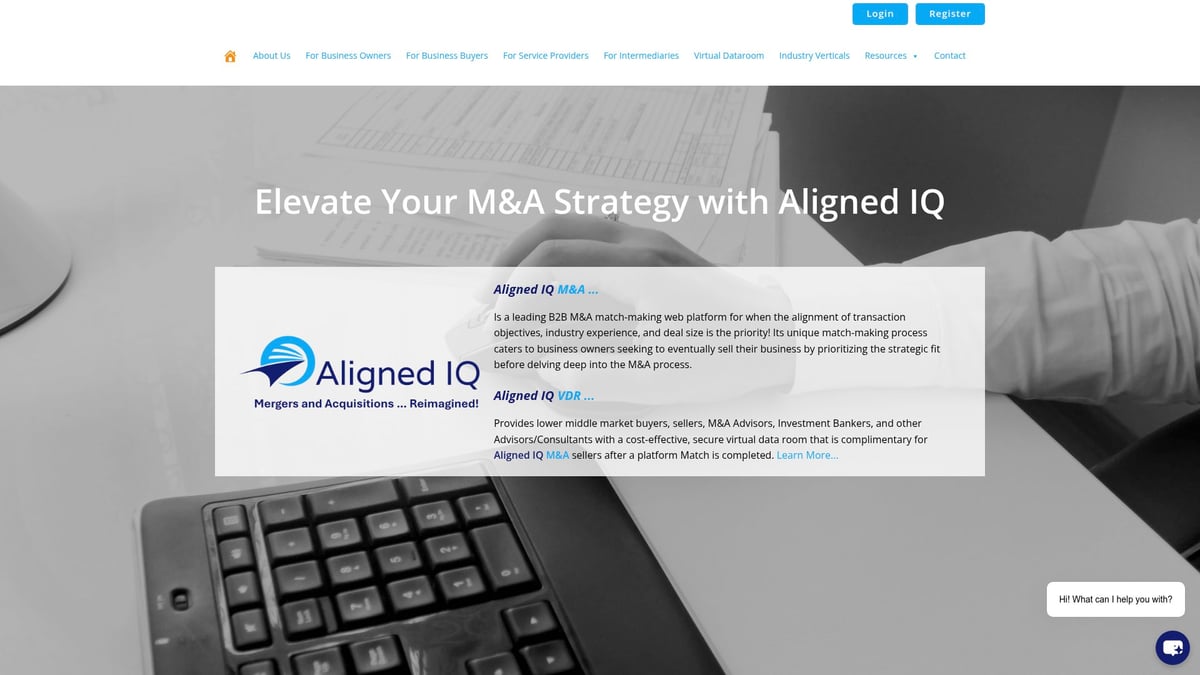
Business owners benefit from proprietary and semi-proprietary deal flow, maintaining control over sensitive information. Complimentary virtual data room access for sellers after a match further reduces risk and costs. With robust user analytics, granular permissions, and multi-tenant support, Aligned IQ delivers true peace of mind. Take a Tour to see how it transforms secure M&A collaboration.
Making the Final Selection and Implementation Plan
Once you have narrowed your data room due diligence options to two or three providers, request demos and trial access to evaluate real-world fit. Align your internal team on the final choice, considering usability, support, and pricing.
Develop a clear rollout and training plan to ensure everyone is prepared. Many lower-middle market teams have successfully implemented a new virtual data room in under 48 hours, even when deals are time-sensitive. This approach keeps your transaction on track and your sensitive information protected.
Now that you have a solid understanding of how to set up and manage a secure data room for due diligence, you might be wondering what the next step looks like in practice. The right tools can give you the confidence to share sensitive information, coordinate with stakeholders, and keep your deal moving forward—all while maintaining security and control. If you want to see how a modern virtual data room feels from the inside, you can explore the features and workflow firsthand. Ready to take the next step toward a more secure and efficient M&A process?
Take a Tour!
No responses yet