

Navigating today’s investment landscape demands more than luck—success hinges on a disciplined approach. With markets showing increased volatility and new opportunities emerging for private investors, mastering a buy strategy is more crucial than ever.
This article empowers you to confidently shape your investment future by building a buy strategy tailored to your unique goals. A well-designed buy strategy can deliver long-term financial growth, stability, and resilience, even when markets fluctuate.
You will discover the essential foundations of buy strategies, a practical step-by-step guide, key factors for 2026, actionable execution tips, and advanced tactics to maximize returns. Ready to transform your investment results? Take a tour of proven strategies and unlock your path to mastery.
Understanding Buy Strategy: Foundations and Types
Investors seeking consistent growth often turn to a buy strategy, a disciplined approach focused on selecting and acquiring assets for long-term success. Unlike trading or speculation, a buy strategy prioritizes patience, discipline, compounding, and risk management. This method is favored by both individual investors and institutions for its ability to weather market volatility and deliver reliable results. For example, a lower-middle market business owner might adopt a buy strategy by acquiring complementary companies to expand their market reach. Notably, the buy and hold approach has historically provided robust returns, with large caps averaging 9.9 percent and small caps 12.1 percent annually, as demonstrated by Buy-and-Hold Strategy Performance Statistics.

What is a Buy Strategy?
A buy strategy is a systematic investment method centered on acquiring assets with the intention of holding them for long-term appreciation. Unlike short-term trading, which relies on frequent buying and selling, a buy strategy is grounded in a long-term vision and the power of compounding. Key principles include maintaining discipline during market fluctuations, managing risk, and leveraging patience to allow investments to grow over time. Business owners in the lower-middle market often use a buy strategy to acquire similar or complementary businesses, fueling sustainable expansion and stability. This approach is trusted by investors aiming to build lasting wealth.
Types of Buy Strategies
Several buy strategy variations cater to different investment goals and risk profiles. The most common include:
| Strategy | Description | Example |
|---|---|---|
| Buy and Hold | Long-term ownership, minimal trading | Individual holds stocks for decades |
| Value Investing | Seeks undervalued assets based on fundamentals | Buying businesses below intrinsic value |
| Growth Investing | Targets assets with high future potential | Acquiring tech startups |
| Buy and Build | Acquires multiple businesses for value creation | Lower-middle market roll-up acquisitions |
| Real Estate | Focus on rental income or property appreciation | Purchasing multifamily units for cash flow |
For private investors and business buyers, selecting the right buy strategy depends on goals, resources, and market opportunities.
When to Use a Buy Strategy
A buy strategy is optimal in scenarios such as retirement planning, business expansion, or wealth preservation. It suits investors with a moderate to high risk tolerance who can withstand short-term volatility for long-term gain. Typical time horizons extend from several years to decades, making this approach ideal for those focused on future growth rather than immediate returns. Data consistently show that buy and hold investors fare best when they avoid reacting to market noise. However, mistimed entries or exits can undermine results, so understanding personal liquidity needs and maintaining discipline is essential when implementing a buy strategy.
Step-by-Step Guide to Building Your Investment Buy Strategy
Building a robust buy strategy begins with a disciplined framework. Each step ensures you align your investments with personal or business objectives, manage risk effectively, and maximize long-term value.
This guide breaks down the process into four actionable stages. Following these steps lays a solid foundation for success, whether you are a private investor or a lower-middle market business owner.

Step 1: Define Clear Investment Goals
Every effective buy strategy starts with setting clear, measurable investment goals. These objectives should be time-bound and tailored to your unique situation.
For individuals, this could mean targeting retirement at a specific age with a defined nest egg. For lower-middle market business owners, an example might be aiming to double EBITDA within five years through strategic acquisitions.
Align your buy strategy with your personal or organizational values. Consider what success looks like for you and how each investment supports your broader mission.
By clarifying your goals at the outset, you ensure that every decision along your investment journey is intentional and focused on long-term results.
Step 2: Assess Risk Tolerance and Time Horizon
Understanding your risk tolerance is vital when crafting a buy strategy. Tools like risk questionnaires or financial planning software can help you identify your comfort level with market volatility and potential losses.
Your time horizon plays a significant role. A younger investor with decades to invest might pursue a more aggressive buy strategy, accepting short-term fluctuations for higher growth. In contrast, a pre-retiree would likely favor a conservative approach, prioritizing stability and capital preservation.
Regularly reassess your buy strategy as your financial situation and objectives evolve. This ensures your investments remain aligned with both your risk profile and your timeline.
Step 3: Select Asset Classes and Targets
Choosing the right asset classes is a cornerstone of any buy strategy. Common options include equities, bonds, real estate, and private businesses. Evaluate each based on financial health, growth prospects, and industry trends.
For lower-middle market buyers, identifying acquisition opportunities with strong strategic fit is essential. Proprietary or semi-proprietary deal sourcing, such as through secure platforms like Aligned IQ, offers a confidential and low-risk alternative to traditional processes.
To deepen your understanding of selecting and acquiring the right assets, review the Acquisition Strategy Fundamentals resource, which outlines best practices for building a buy strategy that matches your objectives.
Step 4: Conduct Due Diligence and Valuation
Thorough due diligence is critical before executing any buy strategy. Begin with a detailed analysis of financial statements, management quality, and the competitive landscape.
Key metrics to review include revenue growth, profitability, debt levels, and market positioning. Use fundamental analysis to spot undervalued stocks or businesses with strong potential.
In the lower-middle market, confidential evaluations protect sensitive information and reduce risk. Avoid common pitfalls, such as overlooking hidden liabilities or failing to verify operational stability.
A disciplined approach to due diligence ensures your buy strategy delivers sustainable, long-term value.
Key Considerations for 2026: Trends, Risks, and Opportunities
In today’s investment landscape, a buy strategy is only as strong as its alignment with future trends, risks, and opportunities. As you shape your approach for 2026, understanding these considerations can help you build resilience and capture growth in both public and private markets.

Market Trends Shaping Buy Strategies in 2026
The buy strategy landscape is being transformed by digital innovation. Investment platforms now offer secure, proprietary access to deals, enabling business buyers to source opportunities that traditional M&A processes often miss. Increased availability of real-time analytics and data tools lets investors make faster, more informed decisions.
Alternative investments, especially within the lower-middle market, are gaining popularity. Buyers are leveraging digital platforms to identify strategic fits for business expansion. Environmental, Social, and Governance (ESG) factors are also playing a larger role, as responsible investing becomes a priority.
If you want deeper insights into how these trends will impact your buy strategy, review the latest Acquisition Strategies for 2025 for a forward-looking perspective.
Navigating Macroeconomic and Regulatory Changes
Macroeconomic factors can dramatically influence your buy strategy. Fluctuations in inflation and interest rates impact the cost of capital and the valuation of assets. Global economic cycles may create both risks and opportunities, especially for those investing in private companies.
Anticipate regulatory changes, such as shifts in capital gains tax rates or cross-border transaction rules. These can directly affect the returns of your buy strategy. For example, a lower-middle market business using acquisitions to scale must adapt quickly to evolving compliance requirements.
Staying ahead of these variables ensures your buy strategy remains robust and adaptable, regardless of external pressures.
Managing Risks Unique to the Modern Buy Strategy
Every buy strategy faces risks, but modern investors must manage new challenges. Market corrections and volatility can test your discipline. Liquidity constraints may arise, particularly when acquiring private businesses or assets with limited buyers.
Overconcentration in a single sector or geography can expose you to unnecessary risk. Diversification remains essential for mitigating losses and enhancing long-term returns. Lessons from past downturns reveal that disciplined buy strategies often outperform during recovery periods, preserving capital and positioning portfolios for growth.
By proactively addressing these risks, your buy strategy can withstand uncertainty and capitalize on market rebounds.
Leveraging Technology and Platforms for Smarter Buying
Technology is revolutionizing how investors execute a buy strategy. Digital platforms provide secure environments for sourcing deals, conducting confidential due diligence, and matching buyers with strategic sellers. This shift is especially valuable for lower-middle market participants seeking proprietary opportunities outside traditional channels.
Artificial intelligence and big data are streamlining valuation processes, reducing human error, and uncovering hidden value in potential acquisitions. For business buyers, using a semi-proprietary platform can mean more confidential, lower-risk transactions and better alignment with strategic goals.
Embracing these tools not only enhances efficiency but also strengthens your buy strategy for the challenges of 2026 and beyond.
Actionable Tips for Executing Your Buy Strategy
Implementing a buy strategy effectively requires clear execution steps and practical habits. Here are three actionable approaches every investor should use to maximize long-term outcomes.
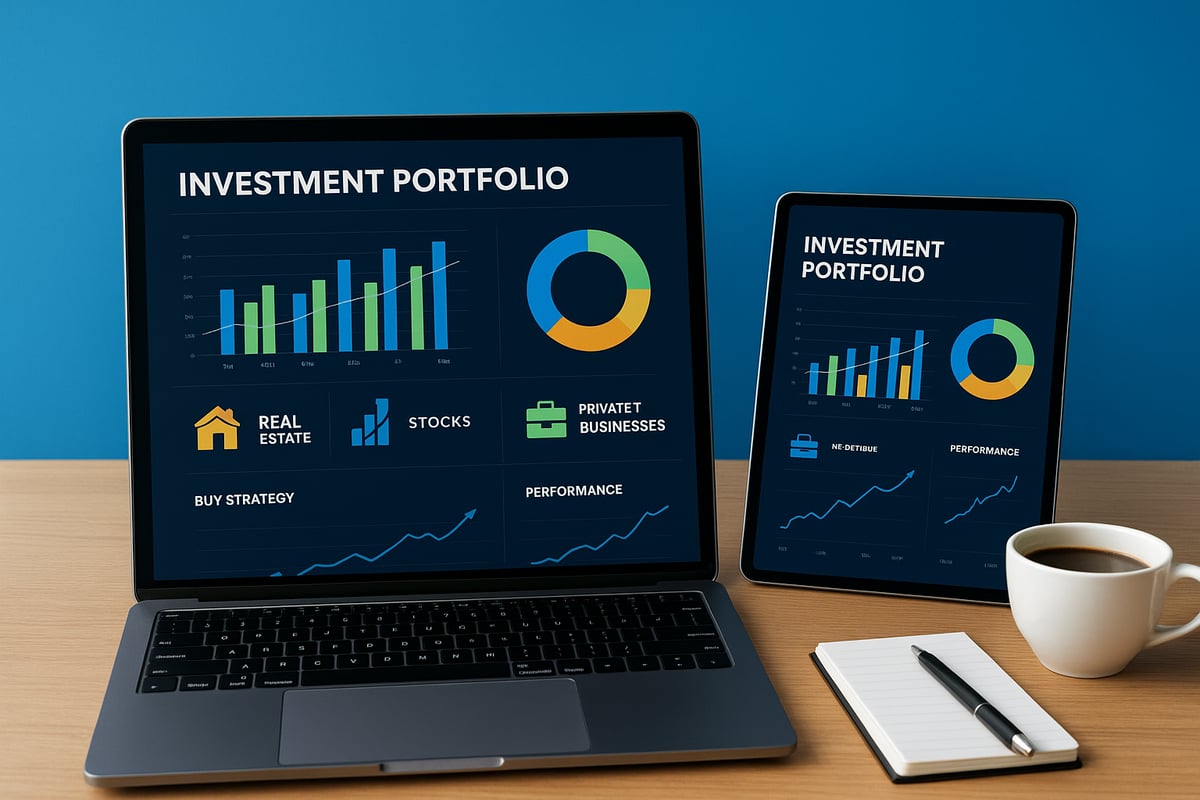
Building a Diversified Portfolio
Diversification is the cornerstone of a resilient buy strategy. By spreading investments across asset classes, industries, and geographies, you reduce exposure to any single market shock.
- Include equities, real estate, and private business acquisitions.
- Rebalance your portfolio regularly to stay aligned with your objectives.
- For lower-middle market business buyers, combining rental properties with strategic company acquisitions can balance growth and stability.
A diversified buy strategy not only safeguards against risk but also positions you to capture opportunities others might miss. This approach is especially important when navigating periods of market uncertainty.
Timing and Patience: The Discipline of Buying
One of the most critical elements of a successful buy strategy is resisting the urge to time the market. Evidence shows that missing just a few of the best-performing days can cut your returns by over half. Instead, focus on consistent, disciplined buying.
- Use dollar-cost averaging to reduce the impact of volatility.
- Maintain your investment plan even during downturns.
- Remember, patience is key—let your assets compound over time.
For deeper insights into the benefits of this approach, explore Buy-and-Hold Investing Insights, which provides real-world data and strategies for long-term investors.
Monitoring Performance and Making Adjustments
A buy strategy is not a set-and-forget process. Schedule regular reviews—quarterly or annually—to benchmark performance against your goals.
- Use portfolio tracking tools to monitor progress.
- Establish clear decision criteria for holding or exiting investments.
- Adjust allocations as your objectives or market conditions evolve.
Staying proactive ensures your buy strategy remains effective and aligned with your changing needs. This habit also helps you catch potential issues early and capitalize on emerging opportunities.
Advanced Buy Strategy Tactics for Maximizing Returns
Unlocking the full potential of your buy strategy requires going beyond the basics. Advanced tactics help investors and business buyers create value, minimize costs, and maintain discipline, especially in the competitive lower-middle market. The following approaches offer practical ways to maximize returns while keeping your buy strategy resilient and adaptable.
Value Creation Through Buy and Build
The buy and build approach is a cornerstone of advanced buy strategy, especially for lower-middle market business buyers. This method involves acquiring complementary businesses and integrating them to achieve rapid growth, scale, and operational synergies.
For example, a regional service firm might acquire two smaller competitors, then streamline processes and cross-sell services to double market share within three years. Buy and build is most effective when buyers use proprietary or semi-proprietary deal sourcing, which ensures lower risk and confidentiality compared to traditional M&A processes. Platforms like Aligned IQ empower business owners with secure access to unique opportunities, setting them apart from the competition.
To learn more about this powerful tactic, see the Buy and Build Strategy Explained guide, which details how to structure, execute, and optimize your buy strategy for sustained value creation.
Tax Optimization and Cost Management
Reducing frictional costs is critical for any buy strategy. Investors who focus on long-term holding periods generally pay less in taxes and transaction fees than active traders. Utilizing tax-advantaged accounts, holding assets for over a year to qualify for long-term capital gains rates, and minimizing unnecessary trades can all boost net returns.
For business buyers, selecting efficient platforms with transparent fee structures is equally important. By carefully planning each acquisition, you can ensure your buy strategy aligns with both tax efficiency and cost minimization, providing more capital for future investments.
Data consistently shows that a disciplined buy strategy not only lowers costs but also supports compounding, which is vital for long-term wealth building.
Behavioral Biases and Emotional Discipline
Staying committed to your buy strategy requires overcoming powerful psychological hurdles. Common biases such as fear during market drops, greed in bull runs, and loss aversion can lead to impulsive decisions that erode returns.
Successful investors and business buyers use clear rules and regular portfolio reviews to counteract these tendencies. For instance, historical data reveals that many retail investors underperform the market simply because they panic-sell or chase trends, missing out on recovery gains.
Building emotional discipline into your buy strategy, through structured decision frameworks and accountability, helps ensure your approach remains consistent and rational, even when markets test your resolve.
Frequently Asked Questions About Buy Strategies
Investors and business owners often have questions about the buy strategy and how it can be leveraged for growth. Here are concise answers to the most common questions.
Q: What is the difference between a buy strategy and a trading strategy?
A buy strategy focuses on long-term asset ownership and compounding, while trading strategies aim for short-term gains through frequent buying and selling.
Q: How can lower-middle market business owners use buy strategy for growth?
Business owners can acquire complementary companies, using a buy strategy to expand and create value. Learn more in Buy and Build Strategies in Lower-Middle Market.
Q: What are the key risks and how can they be mitigated?
Risks include market volatility and overconcentration. Diversification, disciplined due diligence, and maintaining liquidity help reduce these risks.
Q: Are buy strategies suitable for all asset classes?
Yes, a buy strategy can be applied to equities, real estate, and private businesses, but due diligence is essential for each.
Q: How often should you review and update your buy strategy?
Review your buy strategy at least annually or when your financial goals or market conditions change significantly.
Q: Can buy strategies help business owners scale efficiently?
Yes, especially through buy and build approaches, business owners can efficiently scale by integrating strategic acquisitions.
Now that you’ve explored how a tailored buy strategy can fuel your growth in 2026, you might be wondering what the next step looks like in practice. If you’re serious about making more informed investment decisions—whether you’re eyeing business acquisitions, building a diversified portfolio, or simply aiming to optimize your approach—seeing how these strategies come to life is invaluable. At Aligned IQ, we’re all about helping you match with the right opportunities and guiding you through the M&A process with confidence. If you’re ready to see how a strategic fit-first approach can work for you, Take a Tour!
No responses yet