

Secure and efficient document collaboration is more crucial than ever for business owners navigating lower-middle market mergers and acquisitions. Traditional methods and general purpose file sharing platforms often expose sensitive information to risks like data breaches, version confusion, and slow down the due diligence process, creating frustration for both sellers and buyers.
A virtual dataroom is the modern answer, offering a confidential and controlled environment for sharing documents and streamlining deal collaboration. In this guide, you will discover what a virtual dataroom is, explore its core benefits and features, learn practical steps for setup, and gain best practices to ensure secure collaboration in 2025.
Understanding Virtual Datarooms: Evolution and Core Concepts
A virtual dataroom has become an essential tool for secure business collaboration, especially for lower-middle market M&A transactions. These platforms are designed to protect sensitive documents, streamline deal processes, and provide a controlled environment for sharing information between parties. Unlike generic cloud storage, a virtual dataroom adheres to strict security and compliance standards and end-to-end encryption such as TLS 1.3 in Transit and AES-256 at Rest. This makes it ideal for situations like M&A, fundraising, audits, and legal reviews. For example, during pre-sale due diligence, lower-middle market business owners use a virtual dataroom to organize, share, and track access to confidential files. For more on best practices, see the Pre-Sale Due Diligence Guide.
What Is a Virtual Dataroom?
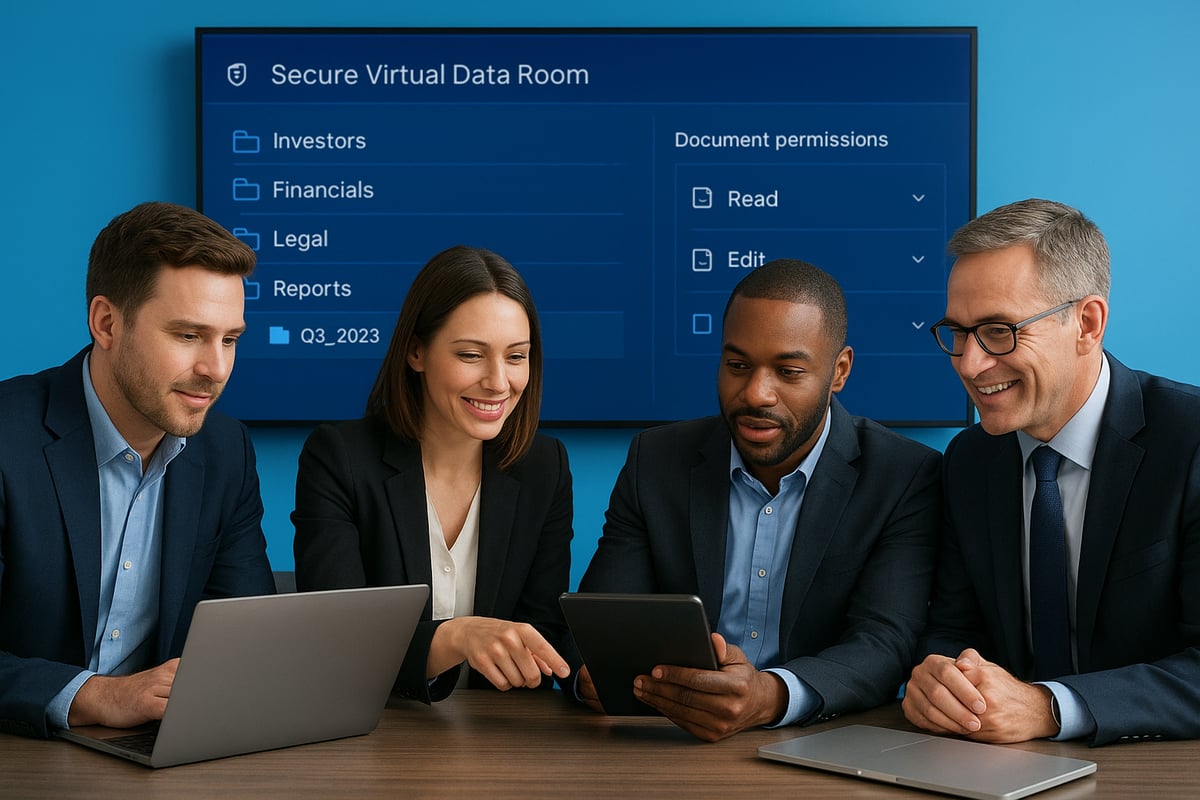
A virtual dataroom is a secure online platform designed for controlled document sharing and collaboration during sensitive business processes. Its primary purpose is to provide a confidential space where documents can be uploaded, organized, and accessed only by authorized users.
Unlike standard cloud storage, a virtual dataroom includes advanced security features like multi-factor authentication, granular permissions, and compliance with standards. These measures ensure that sensitive information is protected throughout the transaction.
Common use cases for a virtual dataroom include M&A, fundraising, audits, and legal reviews. In the lower-middle market, owners often use a virtual dataroom to facilitate due diligence, maintaining control over who sees what and when.
The Evolution of Secure Collaboration
The journey from physical datarooms to digital platforms has transformed how businesses manage confidential information. Historically, parties met in secure rooms to review paper documents, a process that was time-consuming and costly.
The adoption of the virtual dataroom accelerated with the rise of remote work, increasing regulatory requirements, and the threat of cyber attacks. Businesses realized that email and simple file-sharing tools could not provide the security and auditability needed for complex deals.
For lower-middle market transactions, the virtual dataroom has delivered significant time and cost savings.
Why Virtual Datarooms Matter in 2025
The need for a virtual dataroom is growing as cyber threats become more sophisticated and data privacy laws expand. M&A transactions now involve more documents and require cross-border collaboration among diverse teams.
A recent industry survey found that 85 percent of M&A professionals consider the virtual dataroom essential for modern deals. Trends shaping the future include AI-powered search, smart permissions, and detailed audit trails, all of which support efficiency and transparency.
These advancements ensure that lower-middle market businesses can compete on a level playing field, protecting sensitive information while enabling faster, more informed decision-making.
Key Stakeholders and Their Needs
Every virtual dataroom must address the unique needs of its users. Business owners require confidentiality, control, and an easy-to-use interface. Buyers and investors seek fast, transparent access to information, while advisors and intermediaries need robust compliance tools and tracking features.
For instance, a lower-middle market business owner can prioritize privacy by controlling which documents are visible during initial buyer screening. This approach limits information exposure and builds trust throughout the process.
Typical VDR Architecture and Workflow
A virtual dataroom uses a layered architecture to manage roles and permissions. Common user roles include admin, contributor, and viewer, each with distinct access rights.
Folders are organized by department, topic, or transaction phase, with granular permissions set for each group. Features such as secure document upload, version control, and Q&A modules streamline collaboration and reduce confusion.
A typical M&A workflow starts with the admin uploading key documents, setting permissions, and inviting users. Contributors add supporting files, while viewers (such as buyers) review documents and submit questions via the Q&A module. This structure ensures that every step of the process is tracked and secure.
Essential Features of a Modern Virtual Dataroom
Modern lower-middle market deals demand a virtual dataroom that goes beyond basic file sharing. Sellers, buyers, and advisors need robust features that ensure confidentiality, efficiency, and a seamless experience from first document upload to final signature.
Below, we break down the must-have features defining the best virtual dataroom platforms for 2025 and beyond.

Security and Compliance
Security is the backbone of every virtual dataroom. Advanced encryption protects files both at rest and during transit, ensuring confidential information stays safe. Multi-factor authentication and granular access controls reduce unauthorized access risks.
Leading platforms comply with standards and end-to-end encryption such as TLS 1.3 in Transit and AES-256 at Rest, aligning with strict regulatory requirements. Features such as dynamic watermarking, document expiry, and digital rights management help prevent leaks.
For example, a lower-middle market seller can share sensitive financials with buyers while protecting employee records behind additional layers, maintaining control even during complex diligence.
User Experience and Accessibility
A virtual dataroom should be intuitive for every user, regardless of technical experience. Modern interfaces feature drag-and-drop uploads, bulk actions, and mobile compatibility, so business owners can manage documents without IT support.
Smart search capabilities and logical folder structures make navigation simple. Responsive design ensures secure access from any device.
Consider a seller with no dedicated tech team: they can easily upload and organize documents, grant permissions, and monitor activity, all from a straightforward dashboard.
Collaboration Tools and Workflow Automation
The best virtual dataroom platforms streamline collaboration with real-time commenting, document tagging, and instant notifications. Workflow automation features—such as automated reminders, task assignments, and approval chains—reduce manual effort and help keep deals moving.
Q&A modules centralize buyer questions and seller responses, making due diligence faster and more transparent.
For instance, a lower-middle market owner can efficiently manage questions from multiple buyers, ensuring everyone gets accurate, timely answers without overwhelming their inbox.
Reporting, Analytics, and Audit Trails
Transparent reporting is vital. Modern virtual datarooms offer detailed user activity logs, engagement analytics, and exportable audit trails. Sellers and advisors can see who viewed which documents, when, and for how long.
According to Virtual Data Room Market Trends 2025-2035, analytics adoption is rising sharply, reflecting the need for compliance and deal insight. In fact, 70% of M&A advisors now report improved audit readiness due to these features.
This level of visibility helps owners and advisors prepare for audits, demonstrate regulatory compliance, and track buyer interest throughout the process.
Integration and Customization
A virtual dataroom should fit seamlessly into existing workflows. Leading solutions integrate with CRM, e-signature, and project management tools, allowing for smooth data transfer and contract execution. White-label branding lets intermediaries present the dataroom as their own, enhancing trust with clients.
Custom permission templates support repeat transactions, saving setup time for serial sellers or advisors.
For example, integrating a virtual dataroom with DocuSign enables instant, secure contract signing, reducing deal friction and keeping every step under one secure roof.
Step-by-Step Guide: Setting Up and Managing a Virtual Dataroom
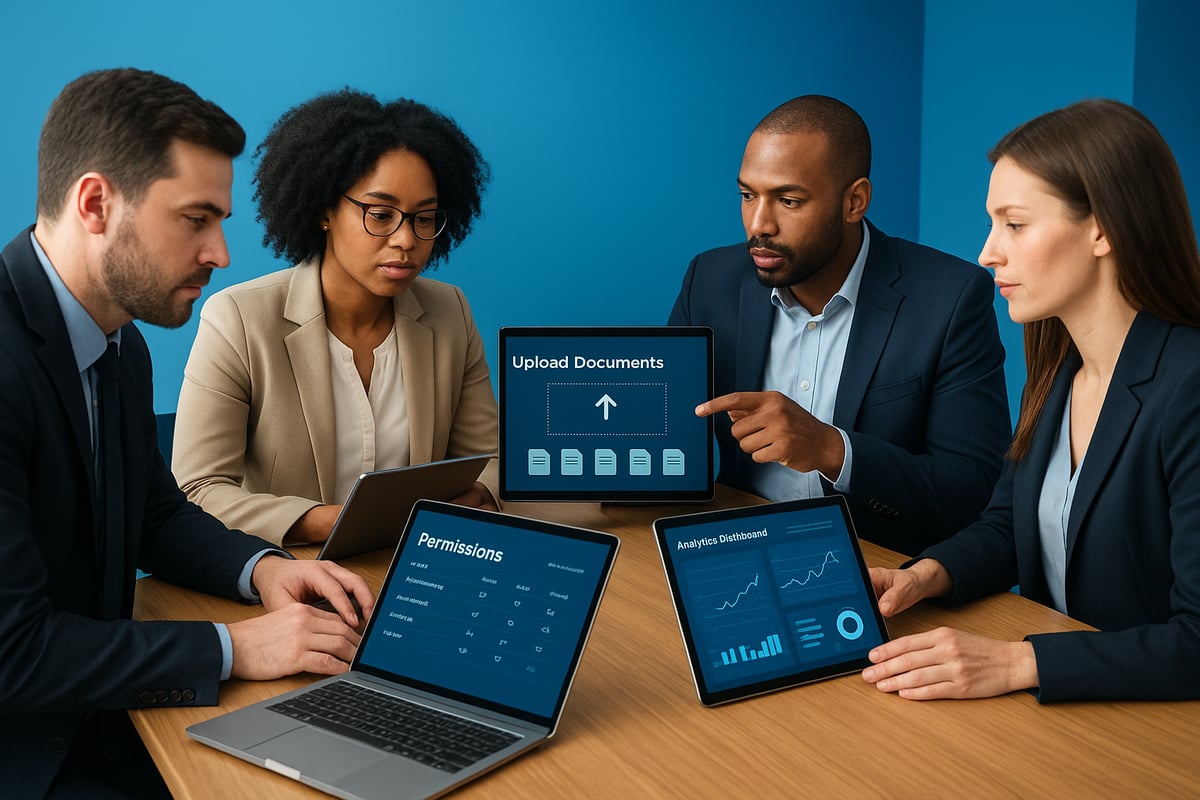
Setting up a virtual dataroom is crucial for lower-middle market M&A success. Each step below helps ensure your confidential documents are secure, your team is organized, and the deal process is seamless. Here’s how to navigate the setup and management process, with practical examples and best practices at every stage.
Step 1: Define Objectives and Assemble Your Team
The first step in launching a virtual dataroom is to clarify your transaction’s objectives. Are you preparing for a business sale, a partnership, or a capital raise? Establishing clear goals ensures that your dataroom is tailored to your needs.
Next, identify the internal stakeholders who should be involved. Assign specific roles, such as administrator, contributor, or viewer, to ensure each team member has the right level of access. For lower-middle market business owners, assembling a core team of key executives and trusted advisors is critical. For practical guidance, see Assembling Your M&A Team.
Example: A business owner planning a sale selects a CFO, legal counsel, and an outside M&A advisor to manage the process and the virtual dataroom together.
Step 2: Choose the Right Virtual Dataroom Provider
Selecting the right virtual dataroom provider is vital for security and efficiency. Evaluate providers based on security credentials. Look for solutions that specialize in lower-middle market transactions, as these often offer more intuitive interfaces and better support for non-technical users.
Compare pricing models, including per-user, per-page, or flat-rate options, and make sure the provider offers responsive customer support. Consider creating a checklist of questions to ask, covering data retention, permission controls, and integration capabilities.
Example: A seller compares three providers, prioritizing one with simplified onboarding and strong security for confidential deal documents.
Step 3: Prepare Documents and Structure the Dataroom
Before uploading anything to the virtual dataroom, gather all essential documents. Typical categories include financial statements, contracts, intellectual property, and HR files. Organize folders logically, either by department, transaction phase, or document type, to help buyers and advisors navigate efficiently.
Use clear naming conventions, such as “2023_Financials” or “HR_Contracts,” to avoid confusion. A well-structured virtual dataroom saves time during due diligence and reduces the risk of version errors.
Example: A lower-middle market seller creates a folder for each business unit, with subfolders for legal, financial, and operational documents.
Step 4: Set Permissions and Access Controls
Control over document access is a core benefit of a virtual dataroom. Assign user roles based on necessity, ensuring each participant only sees what is relevant to their function. Apply the principle of least privilege to protect sensitive information.
Set up NDA requirements, apply watermarks to confidential files, and monitor access as the deal progresses. Adjust permissions as new parties join or as you move into deeper diligence phases.
Example: The seller initially restricts buyers from HR files, granting access only after serious interest is demonstrated.
Step 5: Onboard Users and Launch Collaboration
Once your virtual dataroom is structured and permissions are set, it’s time to invite users. Send secure invitations with detailed onboarding instructions, ensuring each person understands their role and how to use the platform.
Offer training sessions or walkthroughs to help non-technical stakeholders become comfortable. Encourage active use of collaborative features, such as Q&A and commenting modules, to centralize communication.
Tip: Schedule a “Take a Tour” session for all participants to demonstrate key features and establish best practices from the outset.
Step 6: Monitor Activity and Maintain Security
Ongoing monitoring is essential for a secure virtual dataroom. Regularly review activity logs and access reports to track who is viewing, downloading, or modifying documents. Set up alerts for any unusual or unauthorized activity.
Update permissions as parties progress through the deal, and promptly revoke access for those who exit the process. This proactive approach helps prevent data leaks and ensures regulatory compliance.
Step 7: Finalize the Deal and Archive Data
As the transaction concludes, use your virtual dataroom to export audit logs and key documents required for compliance. Revoke all user access and close out the dataroom securely.
Archive or delete documents according to your company’s retention policies and any legal requirements. A smooth closure ensures a clean transition for both seller and buyer, supporting post-deal integration or future audits.
Example: After closing, the seller exports all user activity reports, securely archives critical documents, and deactivates the dataroom, minimizing ongoing risk.
Best Practices for Streamlining Secure Collaboration in 2025
Secure collaboration is essential for lower-middle market M&A. As you look to modernize your workflow, following these best practices ensures your virtual dataroom delivers efficiency, privacy, and deal success.
Prioritize Confidentiality and Control
Protecting sensitive information is a core function of any virtual dataroom. Limit document access in early deal phases, only sharing summary financials or anonymized profiles until buyer interest is verified.
- Share key documents in stages as trust builds
- Use permissions to restrict confidential data
- Watermark files and require NDAs for entry
For example, a lower-middle market seller might only reveal high-level metrics until buyers are screened. This staged approach is a safer alternative to the traditional sell-side M&A process, where too much is often disclosed too early.
Foster Transparent, Real-Time Communication
A virtual dataroom should centralize Q&A and document updates, reducing confusion and email overload. Set clear expectations for response times and ensure everyone knows where to find the latest materials.
- Use built-in messaging for all deal questions
- Post status updates and new document notifications
- Schedule regular check-ins within the platform
By keeping all communication in one place, sellers and buyers avoid version mix-ups and stay aligned throughout the process.
Leverage Automation and AI for Efficiency
Modern virtual dataroom platforms automate repetitive tasks, saving your team valuable time. Features like AI-driven search make it easy to locate critical documents instantly, while automated reminders keep everyone on track.
- Automate document requests and status alerts
- Use AI-powered search to quickly find files
- Track task progress with workflow automation
Recent benchmarks show due diligence is up to 60% faster using automation. For a deeper dive into these advancements, see AI in M&A Transactions.
Maintain Regulatory Compliance and Audit Readiness
Every action in your virtual dataroom should be logged for accountability. This not only satisfies legal requirements but also builds trust with buyers and advisors.
- Export audit trails for compliance reviews
- Monitor user activity and access history
- Prepare reports for auditors or regulators
For example, when a surprise audit occurs, having detailed logs and permission histories ready ensures your business is protected and transaction-ready.
Regularly Train Users and Update Protocols
Even the most secure virtual dataroom requires ongoing vigilance. Schedule periodic training sessions to keep users informed about new features and evolving best practices.
- Host quarterly “Take a Tour” refreshers
- Update processes as regulations change
- Share security tips with all stakeholders
Continuous learning ensures everyone uses the platform effectively, reducing risks and maximizing value through every stage of your deal.
Aligned IQ: A Secure, Seller-Centric Virtual Dataroom for Lower-Middle Market M&A
Navigating lower-middle market M&A can be daunting, especially for business owners who prioritize confidentiality and control. Aligned IQ delivers a proprietary virtual dataroom platform designed specifically for sellers and buyers in this space. Unlike generic solutions, Aligned IQ focuses on privacy and simplicity at every stage, making secure collaboration accessible for all users, regardless of technical background.

What sets Aligned IQ apart? For sellers, the virtual dataroom is always free once a match is completed. This removes another financial barrier and encourages business owners to explore exit opportunities without upfront risk. Aligned IQ’s unique process allows sellers to gauge buyer interest first—before investing time in preparing a full dataroom or building a buyers list. This approach is a significant departure from the traditional M&A process, where upfront work and exposure are often required.
Confidential deal sourcing is at the core of Aligned IQ’s workflow. Sellers can screen and qualify buyers in a secure environment before granting virtual dataroom access. Every step prioritizes privacy, ensuring sensitive documents are only shared when a strategic fit is identified. Permission controls and detailed activity tracking provide peace of mind for both sellers and buyers. The platform’s intuitive design means no IT team is needed to manage uploads, permissions, or communications.
Aligned IQ’s virtual dataroom is part of its broader M&A match-making ecosystem. This means you can move from initial interest to diligence and deal completion within a single, secure platform. Features like secure document sharing, customizable access levels, and real-time activity logs ensure compliance and transparency throughout the process. For non-technical users, the drag-and-drop interface and smart search make managing complex transactions straightforward.
Consider a lower-middle market owner who wants to test the waters for a potential sale. With Aligned IQ, this owner can confidentially pre-screen interested buyers, and only open the virtual dataroom to serious, qualified parties. This staged approach minimizes risk, saves time, and maximizes control over sensitive information.
As the M&A landscape grows more competitive and data-driven, secure and efficient collaboration is more important than ever. Recent industry analysis predicts that global M&A volumes are likely to grow in 2025, highlighting the critical role of advanced virtual dataroom solutions for lower-middle market transactions.
Ready to experience a better way to manage your next deal? Take a Tour of Aligned IQ’s virtual dataroom and see how seller-centric, secure collaboration can transform your M&A journey.
As you’ve seen throughout this guide, secure and streamlined collaboration is essential for lower middle market M A success in 2025. With the right virtual dataroom, you can control confidentiality, simplify due diligence, and focus on finding the best strategic fit before diving deep into the M A process. If you’re curious how this could look for your own business, I encourage you to see it in action—explore Aligned IQ’s seller centric virtual dataroom built specifically for business owners like you. Ready to experience a smarter way to manage secure deals.
Check out our Aligned IQ VDR and sign up for a Free 7 Day Trial.
No responses yet