

The mergers and acquisitions landscape continues to evolve rapidly in 2026, requiring sophisticated approaches that go beyond traditional deal-making methodologies. Business owners contemplating an exit and buyers seeking growth opportunities must navigate an increasingly complex environment where strategic alignment often determines success more than financial metrics alone. Understanding the right strategies for merger and acquisition can mean the difference between a transformative deal and a costly misstep, particularly in the lower middle market where personalized fit matters most.
Understanding Core M&A Strategy Types
Selecting the appropriate strategy for your transaction requires a clear understanding of the fundamental approaches available. The five primary types of merger and acquisition strategies each serve distinct business objectives and market positions.
Horizontal Integration Strategies
Horizontal mergers bring together companies operating in the same industry and market segment. This approach focuses on consolidating market share, eliminating competition, and achieving economies of scale.
Key benefits include:
- Increased market dominance and pricing power
- Reduced operational redundancies
- Enhanced distribution networks
- Streamlined product portfolios
In a typical scenario, a regional manufacturing business might acquire a competitor to expand geographic coverage while reducing overhead costs through facility consolidation. This strategy works particularly well when both entities serve similar customer bases with complementary capabilities.
Vertical Integration Approaches
Vertical strategies involve acquiring companies within your supply chain, either upstream (suppliers) or downstream (distributors). This method secures critical resources and improves margin control throughout the value chain.
| Integration Type | Direction | Primary Benefit |
|---|---|---|
| Backward | Supplier acquisition | Cost control, supply security |
| Forward | Distributor/retailer acquisition | Market access, margin capture |
A software company acquiring a data center provider represents backward integration, ensuring infrastructure reliability while reducing dependency on third-party vendors. Forward integration might involve that same company purchasing a value-added reseller to control customer relationships directly.

Prioritizing Strategic Fit in Modern M&A
The most successful deals in 2026 begin with strategic alignment rather than purely financial considerations. Companies that emphasize strategic fit from the outset experience higher integration success rates and better long-term performance.
Defining Your Transaction Priorities
Before pursuing any acquisition, establish clear priorities that extend beyond revenue multiples. Consider operational compatibility, cultural alignment, technology infrastructure, and management philosophy.
Critical assessment areas include:
- Complementary business models and processes
- Compatible corporate cultures and values
- Aligned growth trajectories and market visions
- Overlapping customer relationships and market positions
In the lower middle market, where specialized firms operate, these qualitative factors often outweigh purely quantitative metrics. A business with strong cultural misalignment will struggle regardless of attractive financials.
Leveraging Match-Making Technology
Traditional M&A processes often force participants into time-consuming discussions before determining basic compatibility. Modern platforms reverse this approach by filtering potential partners based on strategic criteria first.
The proprietary nature of specialized M&A platforms allows business owners to explore exit options confidentially while maintaining full control over disclosure timing. Unlike traditional broker networks where confidentiality can be compromised, these secure environments let sellers evaluate multiple buyers without market exposure.
Buyers benefit equally by showcasing their value proposition, industry expertise, and acquisition criteria to pre-qualified sellers. This semi-proprietary environment creates a low-risk discovery process that traditional intermediaries cannot replicate.
Comprehensive Due Diligence Strategies
Effective strategies for merger and acquisition depend heavily on thorough due diligence that uncovers both opportunities and risks. The key strategies outlined by Forbes Business Council emphasize systematic evaluation across multiple dimensions.
Financial Due Diligence Components
Financial analysis remains foundational to any acquisition strategy. Beyond reviewing historical statements, sophisticated buyers examine revenue quality, customer concentration, and working capital requirements.
- Revenue sustainability: Analyze contract terms, customer retention rates, and pricing power
- Margin analysis: Understand gross margin drivers and operating leverage potential
- Cash flow patterns: Evaluate seasonal fluctuations and capital intensity
- Debt obligations: Review existing financing arrangements and covenant compliance
A typical scenario might involve discovering that 40% of revenue comes from three customers, fundamentally changing valuation assumptions and deal structure requirements. This finding doesn't necessarily kill deals but requires appropriate risk mitigation through earnouts or purchase price adjustments.
Operational and Cultural Assessment
Operational due diligence examines systems, processes, and organizational capabilities that drive business performance. Cultural assessment determines whether management teams can work together effectively post-transaction.
| Assessment Area | Key Questions | Risk Indicators |
|---|---|---|
| Systems | Are technology platforms compatible? | Heavy customization, legacy systems |
| Processes | Can operations scale efficiently? | Manual workflows, single points of failure |
| Organization | Is talent retention likely? | Key person dependencies, compensation gaps |
| Culture | Do leadership styles align? | Hierarchical vs. collaborative structures |

Industry-Specific Strategy Considerations
Different sectors require tailored approaches to M&A success. Financial services mergers and acquisitions, for example, involve regulatory considerations that manufacturing deals never encounter.
Technology and SaaS Businesses
Software acquisitions focus heavily on recurring revenue metrics, customer acquisition costs, and technology stack evaluation. Buyers prioritize monthly recurring revenue growth rates, logo retention percentages, and net revenue retention figures.
In a typical scenario, a buyer might value a SaaS business at 6-8x ARR if gross retention exceeds 90% and net retention surpasses 110%, demonstrating both sticky customers and expansion revenue potential. The acquisition strategy frameworks for technology deals often emphasize talent retention and product roadmap alignment.
Professional Services Firms
Service business acquisitions center on client relationships, billable utilization rates, and partner compensation structures. The intangible nature of these businesses makes cultural fit and leadership transition planning absolutely critical.
Essential evaluation criteria:
- Client concentration and contract duration
- Revenue per professional and utilization metrics
- Partner retirement timelines and succession plans
- Brand reputation and market positioning
Manufacturing and Distribution Operations
Industrial acquisitions require detailed facility assessments, equipment condition evaluations, and supply chain analysis. Environmental liabilities and workforce considerations add complexity to these transactions.
Execution Strategies for Deal Success
Even the best-conceived strategies for merger and acquisition fail without disciplined execution. Successful merger and acquisition strategies emphasize structured processes from initial contact through post-closing integration.
Structuring Negotiations Effectively
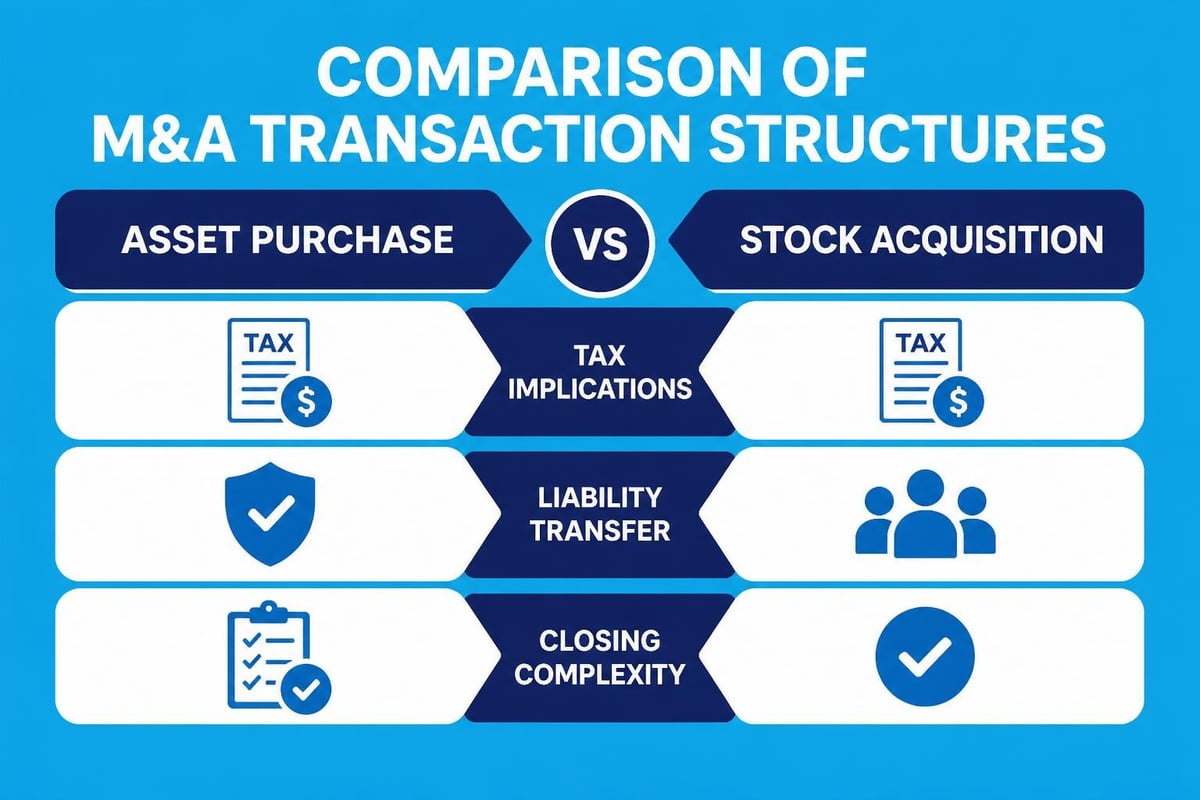
Deal structure determines risk allocation, tax treatment, and ultimate transaction success. Asset purchases, stock acquisitions, and merger structures each offer distinct advantages depending on circumstances.
- Define key terms early: Address price, structure, earnout provisions, and indemnification thresholds in letters of intent
- Build contingencies appropriately: Balance seller certainty with buyer protection through reasonable conditions
- Establish clear timelines: Create accountability with specific milestone dates for diligence, documentation, and closing
- Plan integration concurrently: Begin integration planning during diligence rather than waiting until closing
Leveraging Secure Data Rooms
The traditional M&A process often involves cumbersome physical data rooms or expensive virtual platforms that burden smaller transactions with excessive costs. Modern buyers and sellers need secure, affordable solutions that facilitate efficient information exchange.
Leading data room providers offer varying feature sets and pricing models. For lower middle-market transactions, cost-effective solutions with robust security features enable professional-grade diligence without the overhead of enterprise-tier platforms.
Specialized VDR solutions designed for the lower middle market provide comprehensive security at competitive pricing points, making sophisticated deal management accessible to businesses previously priced out of premium platforms. These tools facilitate organized document sharing, activity tracking, and secure communications throughout the transaction lifecycle.
Alternative M&A Approaches
Beyond traditional full acquisitions, alternative strategies provide flexibility for different objectives and risk tolerances. Understanding these variations expands strategic options for both buyers and sellers.
Tuck-In Acquisition Strategies
Tuck-in acquisitions involve acquiring smaller businesses to bolt onto existing operations. This approach minimizes integration complexity while adding specific capabilities, customer relationships, or geographic presence.
Advantages of tuck-in strategies:
- Lower integration risk compared to mergers of equals
- Faster value realization through existing infrastructure
- Targeted capability enhancement without wholesale transformation
- Reduced financing requirements for smaller deal sizes
In a typical scenario, a marketing agency with strong digital capabilities might acquire a smaller firm specializing in video production, immediately expanding service offerings without requiring extensive operational changes.
Joint Ventures and Strategic Partnerships
When full acquisition proves impractical, joint ventures allow companies to pursue specific opportunities collaboratively while maintaining independence. These arrangements work particularly well for international expansion or new market entry.
| Structure Type | Control | Integration | Best For |
|---|---|---|---|
| Full Acquisition | Complete | High | Long-term strategic alignment |
| Majority Investment | Significant | Medium | Growth capital with control |
| Minority Investment | Limited | Low | Financial return focus |
| Joint Venture | Shared | Variable | Specific project or market |
International Expansion Through M&A
Global growth represents a primary motivation for many acquisition strategies. M&A strategies for international expansion require additional considerations around currency risk, regulatory compliance, and cultural differences.
Cross-Border Due Diligence Considerations
International transactions multiply complexity across every diligence dimension. Legal systems vary dramatically, tax structures differ fundamentally, and employment regulations may conflict with domestic practices.
Critical international assessment areas include:
- Local regulatory requirements and licensing
- Foreign exchange exposure and hedging strategies
- Tax treaty implications and structuring opportunities
- Repatriation restrictions and capital controls
Market Entry Strategy Selection
Determining whether to acquire an existing player or build organically depends on market maturity, competitive intensity, and regulatory barriers. Acquisitions accelerate entry but often command premium valuations reflecting established market positions.
In a typical scenario, a U.S.-based software company entering European markets might acquire a local distributor rather than establishing operations from scratch, immediately gaining customer relationships and regulatory expertise worth the acquisition premium.
Building Your Acquisition Pipeline
Systematic strategies for merger and acquisition require disciplined pipeline development rather than opportunistic deal pursuit. Successful acquirers maintain ongoing target identification processes that support strategic objectives.
Target Identification and Prioritization
- Define ideal acquisition profile: Establish specific criteria for industry, size, geography, and business model
- Research potential targets: Use industry databases, trade associations, and market intelligence to build comprehensive lists
- Prioritize based on strategic fit: Rank opportunities against transaction priorities and strategic alignment factors
- Develop outreach strategy: Create personalized approaches that demonstrate understanding and respect for target businesses
Relationship Development Over Time
The most successful acquisitions often result from relationships built over months or years rather than cold outreach. Industry conferences, peer networks, and professional associations provide natural relationship-building venues.
Modern platforms facilitate this relationship development by allowing buyers to showcase their value proposition and acquisition criteria to relevant sellers proactively exploring exit options. This reverses the traditional dynamic where sellers must identify and approach potential buyers individually.
Integration Planning and Execution
Post-closing integration determines whether strategies for merger and acquisition deliver projected value. The guidance from business strategy experts emphasizes planning integration during diligence rather than after closing.
First 100 Days Priorities
The initial period after closing sets the tone for the entire integration. Clear communication, quick wins, and cultural respect build momentum while avoiding common pitfalls.
- Day 1: Announce the transaction to all stakeholders with consistent messaging
- Week 1: Meet with key employees individually to address concerns and establish relationships
- Month 1: Implement quick wins that demonstrate transaction benefits to skeptical stakeholders
- Month 3: Complete initial integration milestones while adjusting plans based on early learnings
Cultural Integration Best Practices
Cultural clashes destroy more acquisition value than financial miscalculations. Successful acquirers respect target company cultures while thoughtfully introducing elements of their own organizational values.
| Integration Approach | Description | When to Use |
|---|---|---|
| Preservation | Maintain target culture largely intact | Strong performing businesses, different industries |
| Absorption | Fully integrate into acquirer culture | Similar businesses, clear cultural superiority |
| Best of Both | Blend elements from each organization | Merger of equals, complementary strengths |
| Transformation | Create entirely new combined culture | Both cultures need improvement, fresh start needed |
In a typical scenario, a fast-growing technology company acquiring a mature manufacturing business might preserve much of the target's operational culture while introducing more aggressive innovation processes selectively.
Risk Mitigation and Deal Protection
Even carefully structured strategies for merger and acquisition face unexpected challenges. Sophisticated buyers build protection mechanisms into transaction structures that allocate risks appropriately while maintaining seller incentives.
Earnout Structures and Performance Provisions
Earnouts bridge valuation gaps by tying portions of purchase price to future performance. These mechanisms align buyer and seller interests while protecting buyers from overpaying if projections prove optimistic.
Effective earnout design principles:
- Base earnouts on metrics sellers can control post-closing
- Keep measurement periods reasonable (typically 1-3 years)
- Define calculation methodologies precisely to avoid disputes
- Consider acceleration provisions for extraordinary outcomes
Representations, Warranties, and Indemnification
Purchase agreements allocate risk through seller representations about business condition and buyer indemnification rights if representations prove inaccurate. Understanding these provisions helps both parties negotiate balanced agreements.
Representation and warranty insurance has become increasingly common in middle-market transactions, transferring indemnification risk from sellers to insurance carriers. This solution particularly benefits seller groups where post-closing disputes would damage relationships among remaining partners.
Developing Your M&A Capabilities
Organizations pursuing multiple acquisitions over time should develop institutional capabilities rather than treating each transaction as a standalone event. Strategies for successful acquisition benefit from repeatable processes and accumulated expertise.
Building Internal Teams and Expertise
Serial acquirers often establish dedicated business development teams responsible for target identification, initial evaluation, and relationship management. These specialists develop deep expertise that improves deal quality and execution efficiency.
Core M&A team capabilities:
- Strategic analysis and market assessment
- Financial modeling and valuation
- Negotiation and deal structuring
- Integration planning and execution
- Legal and regulatory compliance
Leveraging External Advisors Effectively
Even organizations with internal M&A capabilities benefit from external advisors providing specialized expertise, additional resources during peak periods, and objective perspectives on complex decisions.
Quality of life investment banks, business brokers, and M&A advisors serve critical roles in traditional processes. However, modern platforms complement these professionals by handling initial match-making and strategic fit assessment, allowing advisors to focus on areas where their expertise adds greatest value.
Adapting to Market Conditions
Effective strategies for merger and acquisition adjust to changing market dynamics, economic conditions, and competitive landscapes. The approaches that worked in 2024 may require modification given 2026's evolving environment.
Navigating Economic Uncertainty
Economic volatility creates both challenges and opportunities in M&A markets. Recessions often produce attractive acquisition opportunities as struggling businesses seek buyers, while tight credit markets make financing more challenging.
Sophisticated acquirers maintain deal capacity through economic cycles, positioning themselves to act when opportunities arise. This requires conservative balance sheet management and diverse financing relationships that survive market disruptions.
Responding to Industry Consolidation Trends
Many industries experience consolidation waves where strategic imperatives push competitors toward merger activity. Participating early often proves advantageous compared to waiting until remaining independent becomes untenable.
In a typical scenario, healthcare services providers facing payer consolidation and regulatory complexity might pursue acquisitions proactively to achieve scale advantages before becoming acquisition targets themselves. Understanding these industry dynamics informs timing decisions that significantly impact outcomes.
Successful M&A requires balancing multiple strategic considerations, from choosing the right transaction type to executing thorough due diligence and planning disciplined integration. Prioritizing strategic fit before financial details helps ensure long-term value creation rather than short-term transaction completion. Whether you are a business owner exploring exit options or a buyer seeking growth opportunities, Aligned IQ provides a confidential platform where strategic alignment comes first, matching transaction priorities, deal parameters, and industry expertise before you invest significant time and resources. Take a tour to discover how our unique approach transforms M&A into a more collaborative, efficient process designed specifically for the lower middle market.
No responses yet