

Thinking about how to sell your company in 2026? The stakes are high, and the process can feel overwhelming, but the right guidance makes all the difference.
This guide is designed to demystify how to sell your company, offering a clear, actionable roadmap tailored to the fast-changing M&A landscape ahead.
You will discover how to prepare your business, determine valuation, assemble a skilled deal team, market to the right buyers, navigate negotiations, manage due diligence, and close the deal with confidence.
Get ready to avoid common pitfalls, maximize your company’s value, and take decisive steps toward a successful exit.
Step 1: Preparing Your Company for Sale
Preparing your business for a successful exit is the foundation of any strategy on how to sell your company. This initial stage sets the tone for the entire sale process in 2026, determining both your valuation and your negotiating power. Let’s break down each critical element so you can maximize value and minimize risk.
Assessing Readiness and Motivation
Start by clarifying why you want to sell your company. Are you seeking retirement, new ventures, or risk reduction? Consider the timing carefully. Is your business at its peak, or is more growth possible?
Put yourself in a buyer’s shoes. What makes your business attractive now? Align your personal goals and post-sale plans with the realities of the market. In a typical scenario, founders move forward after periods of rapid growth or shifts in their industry. This self-assessment is the first step in how to sell your company for optimal results.
Organizing Financials and Key Documentation
Accurate and up-to-date financials are non-negotiable. Prepare balance sheets, profit and loss statements, and cash flow reports for at least the past three years. Gather tax returns and legal documentation covering the last 3-6 years.
Use digital tools to streamline data collection. Create a comprehensive due diligence file that includes customer contracts, intellectual property records, HR files, and compliance documentation. Buyers commonly request three or more years of operational data, so being prepared accelerates the process.
- Keep records clear and accessible.
- Digitize key documents for easy sharing.
- Address any gaps before marketing your business.
Optimizing Operations and Management
A strong management team boosts buyer confidence and valuation. Document your company’s core processes and standard operating procedures. Reduce dependency on yourself by empowering your second-tier leaders.
Address any outstanding legal, regulatory, or compliance issues well before you engage buyers. In a typical scenario, companies with robust teams and well-documented systems attract a higher price. These operational improvements strengthen your case in how to sell your company effectively.
Tax and Estate Planning Considerations
Early tax and estate planning is essential. Work with qualified advisors to minimize liabilities and prepare for a liquidity event. Evaluate the implications of asset versus stock sales, and explore tax-advantaged vehicles such as trusts or charitable donations.
Plan your estate strategy ahead of time to protect your legacy and capitalize on potential savings. Early action can result in significant capital gains tax reductions, especially if your company qualifies for Section 1202 benefits. This foresight ensures you retain more value from how to sell your company.
How Aligned IQ M&A Simplifies Initial Preparation
Aligned IQ M&A stands out with its discreet, seller-controlled match-making platform, designed for business owners who value confidentiality and efficiency. Unlike traditional methods, sellers can privately assess buyer interest, maintaining control over who sees their information.
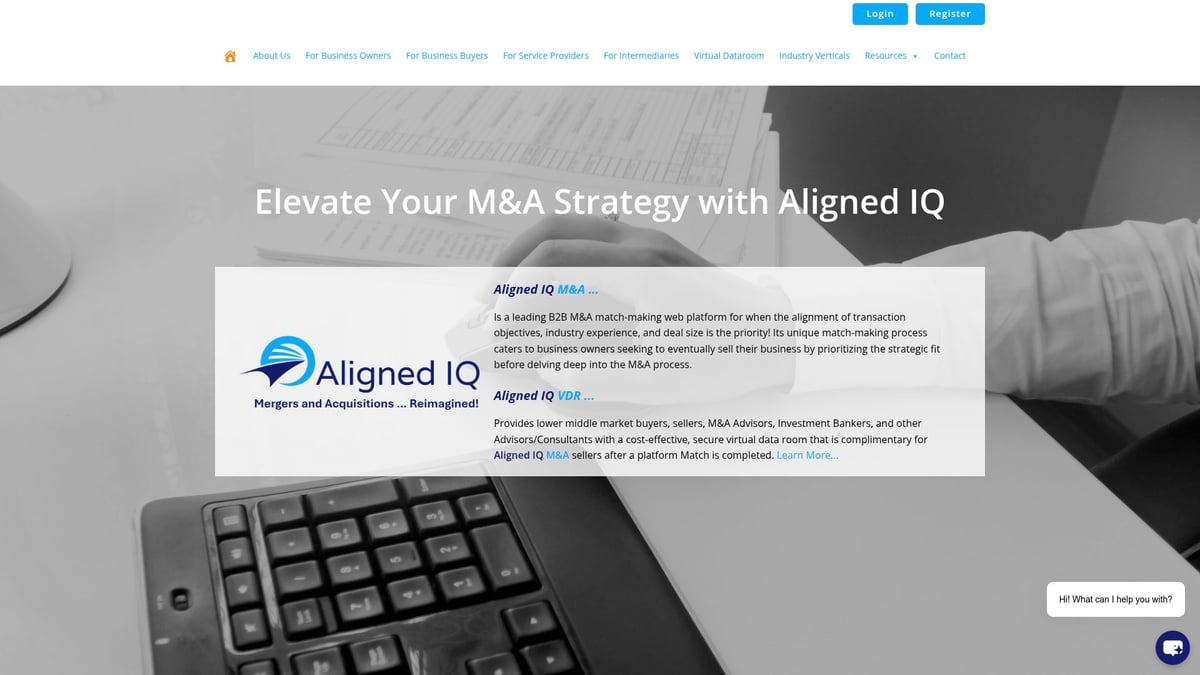
Once a strategic match is established, sellers receive complimentary access to the secure Aligned IQ VDR, which allows safe sharing of sensitive documents. For buyers, sellers, and advisors not matched through Aligned IQ M&A, the VDR is available at competitive pricing. The proprietary system reduces wasted time with non-serious buyers and keeps your sale process low-risk. Ready to experience a new era in M&A? Take a Tour and see how Aligned IQ transforms how to sell your company with security and confidence.
Step 2: Business Valuation and Strategic Positioning
Determining how to sell your company successfully starts with understanding what your business is truly worth. Business valuation is both an art and a science, influenced by industry trends, financial performance, and market sentiment. Strategic positioning can make the difference between an average deal and a premium outcome.

Understanding Business Valuation Methods
One of the first questions in how to sell your company is, “What is my business worth?” Valuation methods include EBITDA multiples, discounted cash flow (DCF), and comparable sales. Each approach offers a different perspective and suits varying business models.
For a deeper dive into these techniques, see Business valuation fundamentals. In 2026, industry-specific benchmarks remain crucial, with SaaS companies often valued on recurring revenue and customer retention. Tangible and intangible assets, such as brand reputation and intellectual property, play a significant role in shaping your valuation.
Enhancing Company Value Pre-Sale
Maximizing value is a central objective when planning how to sell your company. Improving profitability and optimizing margins are essential first steps. Consider reducing unnecessary expenses and diversifying your customer base to limit concentration risk.
Operational efficiency impresses buyers and can boost your valuation multiple. Cleaning up debts and presenting well-organized financials show that your business is ready for scrutiny. Companies with diversified revenue streams and transparent records consistently achieve stronger results.
Framing Your Business Story for Buyers
How you present your business story is fundamental in how to sell your company. Buyers want to see a compelling narrative that highlights growth, market position, and future potential. Articulate your unique selling points and competitive edge clearly.
Address the reason for selling upfront to instill buyer confidence. A strong, positive story can increase buyer interest and perceived value, making your company stand out in a competitive M&A market.
Benchmarking and Market Research
Benchmarking supports your strategy as you determine how to sell your company. Research recent transactions in your industry to set realistic expectations for value and deal terms. Use market data to justify your asking price and demonstrate transparency.
A typical scenario in 2025 saw lower middle-market businesses trade at 5x to 7x EBITDA, depending on industry and growth prospects. Accurate benchmarking ensures you approach the market prepared and confident.
Preparing a Confidential Information Memorandum (CIM)
A professional CIM is a critical asset when considering how to sell your company. This document presents your company to qualified buyers, including detailed financials, growth opportunities, and risk mitigation strategies.
Ensure confidentiality by sharing sensitive information only with serious, vetted prospects. A well-prepared CIM positions your business in the best possible light and supports a smooth, efficient sale process.
Step 3: Assembling Your Deal Team and Advisors
Building the right deal team is essential to mastering how to sell your company in today’s market. The right mix of advisors, paired with proprietary digital tools, can help you avoid pitfalls, maximize value, and ensure a smooth process from start to finish.

Selecting Key Advisors
To fully understand how to sell your company, start by engaging seasoned professionals. Your core team should include an experienced M&A advisor or investment banker, legal counsel with expertise in business transactions, and tax or estate planning specialists.
Aligned IQ M&A’s discreet platform gives sellers access to a curated network of these experts. Leveraging this semi-proprietary match-making system ensures that your deal team is not just qualified, but also aligned with your industry and transaction goals.
A typical scenario sees sellers benefiting from early advisor involvement, reducing errors and boosting overall deal outcomes.
Defining Roles and Responsibilities
Once your advisors are in place, clarity around roles is critical. Assign each advisor distinct responsibilities, such as negotiation, documentation, or compliance, to streamline how to sell your company.
Internally, designate a point person for gathering data and coordinating communications. For specialized due diligence—like intellectual property or environmental reviews—bring in external experts as needed.
Aligned IQ M&A’s approach empowers sellers to maintain control, choosing which buyers and advisors to engage at every stage, which sets it apart from the traditional M&A process.
Evaluating Costs and Fee Structures
A transparent understanding of advisor fees helps you weigh support value against deal size and complexity. Here’s a quick comparison of common fee types:
| Advisor Type | Fee Structure | Typical Range |
|---|---|---|
| M&A Advisor | Success Fee | 2%–5% of deal |
| Legal Counsel | Hourly/Flat/Retainer | Varies |
| Tax/Estate Planner | Hourly/Project | Varies |
For document management, Aligned IQ VDR offers competitive pricing for all participants, and sellers who match through Aligned IQ M&A receive complimentary access. See VDR pricing for details. For a step-by-step breakdown of assembling your team, visit the Steps in the business selling process.
Importance of Confidentiality and Discretion
Confidentiality safeguards your company’s value and reputation during a sale. Use NDAs and secure data rooms like the Aligned IQ VDR to control document access and track all buyer activity.
This proprietary virtual data room is engineered for low-risk, confidential transactions, giving sellers peace of mind. Leaks or premature disclosures can harm negotiations, so maintaining discretion is a non-negotiable step in how to sell your company.
With Aligned IQ, you keep your process confidential while benefiting from secure digital infrastructure and expert support. Take a Tour today to see how Aligned IQ transforms your M&A journey.
Step 4: Marketing Your Company and Engaging Buyers
Marketing your business effectively is essential when learning how to sell your company in 2026. The right approach can attract qualified buyers, maximize value, and minimize risk. This stage demands strategy and precision, especially as the M&A landscape evolves.

Identifying and Qualifying Potential Buyers
Knowing how to sell your company starts with finding the right buyers. In 2026, strategic buyers, private equity firms, and individual investors are all active, but not every party is a good fit. Screen prospects for financial strength, relevant experience, and strategic alignment.
Stay informed about current buyer trends by referencing resources like M&A Outlook 2026: Key Trends Shaping Deals. This ensures you target the types of buyers most likely to value your business. Maintaining a shortlist of pre-qualified candidates streamlines the process and reduces wasted effort.
Creating a Go-to-Market Strategy
A well-designed go-to-market strategy is crucial in how to sell your company for optimal results. Decide whether a broad auction or targeted outreach fits your objectives. Use confidential marketing materials to protect your identity and generate interest.
Online platforms like Aligned IQ M&A provide a proprietary match-making process, offering sellers a low-risk way to assess buyer interest. This approach differs from traditional M&A, giving you control over which buyers to engage and upholding confidentiality throughout the process.
Managing Initial Buyer Interactions
The initial contact phase is a pivotal part of how to sell your company. Conduct introductory calls or meetings to gauge buyer seriousness before sharing sensitive information. Always require non-disclosure agreements (NDAs) prior to revealing critical details.
Evaluate the quality and depth of buyer questions, as these signal their commitment and expertise. Using secure communication channels helps maintain confidentiality and builds trust from the outset.
Negotiating Letters of Intent (LOIs)
Receiving and comparing LOIs is a core step in how to sell your company. Each LOI should clearly outline price, structure, timeline, exclusivity, and contingencies. Soliciting multiple LOIs increases your negotiating leverage and clarifies market expectations.
Be proactive in addressing preferences such as asset versus stock sales, which can impact tax and legal outcomes. Transparent communication at this stage sets the tone for final negotiations and due diligence.
Utilizing Secure Platforms and Data Rooms
Secure document sharing is non-negotiable when considering how to sell your company. Aligned IQ VDR stands out by providing a complimentary, secure virtual data room for sellers after a match on Aligned IQ M&A. For buyers, sellers, and advisors not matched through the platform, Aligned IQ VDR offers competitive pricing—see the details at VDR pricing.
The proprietary structure of Aligned IQ ensures sensitive information is only shared with serious buyers, minimizing risk and safeguarding confidentiality. Take a Tour to see how Aligned IQ transforms document security and accelerates the M&A process for lower middle-market sellers.
Step 5: Navigating Negotiations and Due Diligence
Entering the negotiation and due diligence phase is one of the most pivotal moments in how to sell your company. This stage tests your preparation, resilience, and ability to communicate value, while protecting your interests and maintaining confidentiality.
Structuring the Deal: Price and Terms
When considering how to sell your company, negotiating the right price is only the starting point. Sellers must evaluate payment structures, such as all-cash, earnouts, or equity rollovers, each carrying distinct risks and rewards. Working capital adjustments, escrow provisions, and indemnity clauses require precise negotiation to safeguard your proceeds.
Tax outcomes also hinge on deal structure. For example, asset sales and stock sales have different implications for both seller and buyer. Early consultation with tax advisors is critical to minimize liabilities and optimize your net gain.
A typical scenario involves balancing upfront payments with performance-based earnouts, ensuring alignment between both parties. Carefully structured terms can help avoid disputes and streamline the closing process.
Managing the Due Diligence Process
Due diligence is where buyers validate every claim about your company, so being proactive is essential in how to sell your company successfully. Responding promptly to requests for contracts, financials, and operational data builds buyer confidence and keeps momentum strong.
Digital solutions like Aligned IQ M&A's proprietary platform streamline this process, offering sellers a secure, confidential way to share sensitive documents only after a match is made. This reduces the risk of leaks and wasted time with unqualified buyers.
For a deeper dive into best practices, review Preparing for due diligence before a sale. Staying organized and transparent throughout due diligence is key to preventing delays or misunderstandings.
Addressing Common Deal Breakers
Many deals fall apart due to undisclosed risks or unresolved issues. In how to sell your company, preemptively addressing customer concentration, pending litigation, or intellectual property gaps can be the difference between closing and losing a deal.
Transparency about potential risks, paired with clear mitigation plans, reassures buyers and strengthens your negotiating position. Industry data suggests that nearly 20 percent of M&A deals collapse at this stage, often due to skeletons in the closet.
Sellers who adopt a proactive approach to risk disclosure reduce surprises and foster trust, leading to smoother negotiations.
Communicating with Stakeholders
Effective communication is crucial in how to sell your company and ensure a positive transition. Plan messaging for employees, customers, and suppliers early. Framing the sale as an opportunity for growth and continuity helps reduce anxiety and preserves operational stability.
A typical scenario involves confidentially briefing key managers first, then rolling out tailored messages to broader teams once the deal is imminent. This approach maintains morale, protects relationships, and limits rumors.
Clear, timely updates also support a seamless handover, which buyers value highly during this phase.
Quality of Earnings (QofE) and Financial Audits
Buyers often require a Quality of Earnings (QofE) report to verify the accuracy and sustainability of your profits. In how to sell your company, preparing for third-party financial audits is standard practice, especially for deals over five million dollars.
A QofE review will scrutinize revenue recognition, expense normalization, and recurring versus non-recurring income. Addressing anomalies before buyer review can prevent renegotiations and delays.
Organizing your financials and anticipating questions shows professionalism and can lead to a higher valuation.
Maintaining Confidentiality and Momentum
Protecting sensitive information while keeping the process moving is a hallmark of how to sell your company well. Aligned IQ M&A's semi-proprietary match-making platform ensures that only qualified, strategically aligned buyers access your details, preserving confidentiality.
After a match, sellers benefit from complimentary access to Aligned IQ VDR, a secure virtual data room designed for efficient document sharing. The VDR stands out with its competitive pricing, detailed at VDR pricing, making it accessible for buyers, sellers, and advisors.
Quality VDRs help reduce due diligence timelines, track buyer activity, and maintain compliance. To experience these benefits firsthand, Take a Tour of Aligned IQ and see how it transforms the traditional M&A process for future sellers.
Step 6: Closing the Deal and Post-Sale Transition
Finalizing the sale is the most critical milestone in how to sell your company. At this stage, attention to detail ensures a smooth transfer and protects both seller and buyer. Each step, from legal documentation to transition planning, impacts your financial outcome and legacy.
Finalizing Legal Agreements
The first step in closing is negotiating and executing the definitive purchase agreement. This contract spells out every term, from purchase price to non-compete clauses and transition support.
Review all representations, warranties, and schedules with your legal counsel. Ensure accuracy and complete disclosure. Address retention, transition, and post-closing obligations. This is where an M&A attorney proves invaluable, safeguarding your interests so the process of how to sell your company ends without unexpected liabilities.
Regulatory and Compliance Considerations
Regulatory approval is often required depending on your industry, deal size, or if the transaction is cross-border. Work closely with advisors to secure all necessary consents and clearances.
Typical requirements include antitrust filings, industry-specific licenses, and third-party approvals. Missing a compliance detail can delay or derail the closing. Proactively address these early so your timeline for how to sell your company stays on track.
Managing the Closing Process
A successful closing requires careful coordination and secure document management. Prepare a detailed checklist covering all deliverables: wire transfers, escrow releases, and final documentation.
Aligned IQ M&A streamlines this phase by integrating with Aligned IQ VDR, which offers complimentary access for sellers after a match and competitive pricing for buyers, intermediaries, and advisors (see pricing). The secure VDR tracks all activity, ensures compliance, and supports a confidential, low-risk closing process—a key advantage over traditional methods. Take a Tour to see how this transforms how to sell your company.
Planning for Transition and Succession
Effective transition planning protects business value after the sale. Develop a clear succession plan for management and employees, and communicate roles and expectations early.
Buyers increasingly prioritize human capital and seamless handover. For strategies to maximize this aspect, review Human Capital Is the Deal. Winning M&A in 2026. Offering transition support can increase buyer confidence and secure a better outcome in how to sell your company.
Tax, Wealth Management, and Estate Planning Post-Sale
Once the deal closes, promptly address tax, wealth, and estate planning. Consult with your advisors to manage liquidity, minimize tax exposure, and update your estate strategy.
Early planning helps optimize the benefits from how to sell your company, ensuring generational wealth and philanthropic goals are met. Use tax-advantaged vehicles as appropriate and revisit your financial plan to reflect your new position.
Life After the Sale: Next Steps for Sellers
After the transaction, reflect on your personal and professional goals. Consider reinvestment opportunities, philanthropy, or new ventures.
Many sellers maintain relationships as advisors or board members, providing ongoing value. Remember, the journey of how to sell your company is also the beginning of your next chapter. Explore the possibilities, and take a Tour of Aligned IQ to see how you can securely manage future exits or investments.
Now that you understand the steps to sell your company in 2026, you might be wondering how to put these strategies into action while minimizing risk and keeping things confidential. That’s where Aligned IQ M&A can make a real difference—by matching you with buyers who truly fit your priorities and giving you secure tools to manage every stage, from initial preparation to closing. If you’re curious how this collaborative, seller-focused approach could work for your business, I invite you to Take a Tour!
No responses yet