

Thinking of selling your business online in 2026? The digital M&A landscape is shifting rapidly, and timing your exit has never been more critical. Many owners start the journey only to discover unexpected hurdles, from lowball offers to wasted months and deals that never close.
Understanding how to sell my business online is more than just listing it on a marketplace. It demands careful preparation, strategic positioning, and the right digital tools to maximize value while minimizing risk.
This expert guide unpacks every stage of the process. You will learn how to get your business ready for sale, accurately value your company, attract serious buyers, and secure a safe, successful closing. Read on for a step-by-step roadmap to a profitable online business sale in 2026.
Understanding the 2026 Online Business Sale Landscape
The online M&A market is rapidly shifting, affecting how to sell my business online in 2026. Sellers face new dynamics, from increased buyer expectations to advanced digital platforms. To succeed, understanding these shifts is essential.

Major Trends in Digital M&A
Several trends are shaping how to sell my business online in 2026. Remote and cross-border acquisitions are more common, as digital business buyers look globally for growth. Buyers are more sophisticated, demanding deeper data and due diligence. Niche deal platforms and proprietary marketplaces are gaining traction, helping sellers connect with qualified buyers.
SaaS, e-commerce, and digital service businesses are highly sought after. For example, in 2025, major online business listings averaged only 18 qualified inquiries, according to FE International. Strategic buyers and financial buyers have different motivations, which impacts negotiations. Regulatory and tax changes also alter deal terms.
AI-driven personalization is now mainstream, improving buyer targeting and engagement AI-Driven Personalization in E-Commerce. Sellers must adapt to these evolving trends.
Key Challenges for Sellers
Owners exploring how to sell my business online face unique hurdles in 2026. Standing out in crowded marketplaces is tough, with many businesses vying for attention. Filtering out unqualified buyers is critical to avoid wasted time and information leaks.
Protecting sensitive data during the sale is more challenging with sophisticated buyers requesting extensive details. Valuation gaps and unrealistic pricing can stall deals. Managing confidentiality and minimizing disruptions are ongoing concerns. A typical scenario is strategic buyers seeking detailed information, sometimes for competitive intelligence rather than a real purchase.
Sellers need strong processes to overcome these challenges and keep their sale on track.
Opportunities for Maximizing Value
Learning how to sell my business online effectively in 2026 means leveraging new opportunities. Proprietary deal platforms offer confidential, targeted matches, reducing risk and attracting serious buyers. Secure virtual data rooms (VDRs) streamline due diligence, while a strong exit narrative appeals to strategic buyers.
Preparing documentation and KPIs in advance boosts buyer confidence. Expanding to global buyer pools can result in higher offers and quicker closes. Sellers who position their business well and use advanced platforms can maximize value and minimize risk.
Step 1: Preparing Your Business for a Successful Online Sale
Preparing for how to sell my business online begins with a strong foundation. Buyers in 2026 expect transparency, professionalism, and efficiency. Strategic preparation not only improves your business’s appeal but also reduces risk, speeds up the process, and maximizes your final sale value.

Organizing Financials and Documentation
The first step in how to sell my business online is ensuring your financials and documentation are in order. Clean, audited, and up-to-date financial statements—such as tax returns, profit and loss reports, balance sheets, and cash flow statements—are essential. Compile all key documents, including contracts, intellectual property rights, licenses, and supplier agreements.
Businesses with organized documentation can close deals up to 30% faster. A secure Virtual Data Room (VDR) streamlines document sharing and protects sensitive information. For a comprehensive checklist, review these Steps to Make Your Business Exit Ready.
Optimizing Operations and Reducing Owner Dependence
Potential buyers looking at how to sell my business online closely examine operational structure. Streamline processes and develop clear standard operating procedures (SOPs). Delegate essential tasks to managers or staff, minimizing reliance on the owner for daily decisions.
A business that runs smoothly without the owner at the helm inspires buyer confidence. In a typical scenario, companies with strong management teams and detailed SOPs command higher sale multiples. Invest time in training and cross-training staff to ensure seamless handover post-sale.
Enhancing Business Value Drivers
A critical aspect of how to sell my business online is strengthening the core value drivers. Focus on improving revenue consistency and customer retention rates. Diversify both your customer base and revenue streams to make your business more attractive.
Enhance digital assets, such as SEO rankings, brand reputation, and proprietary technology. Address any outstanding legal, compliance, or technical issues proactively. These improvements help position your business as a premium acquisition target in the digital marketplace.
Ensuring Confidentiality from Day One
Maintaining confidentiality is vital when considering how to sell my business online. Use non-disclosure agreements (NDAs) and control information release carefully. Avoid public listings until you are ready and leverage confidential, proprietary matchmaking platforms to minimize information leaks.
Platforms like Aligned IQ M&A prioritize privacy and strategic fit, connecting business owners with vetted buyers discreetly. This approach protects your sensitive data and ensures you remain in control throughout the sale process.
Step 2: Accurate Valuation and Setting Realistic Expectations
Pricing your company correctly is a critical step in learning how to sell my business online. Accurate valuation not only attracts serious buyers but also ensures you maximize value without scaring off the market. In 2026, evolving M&A practices and increased buyer sophistication make precision more important than ever.

Methods for Valuing an Online Business in 2026
The foundation of how to sell my business online starts with understanding valuation methods. Most digital businesses use SDE (Seller’s Discretionary Earnings) or EBITDA multiples, adjusted for growth rate, industry trends, and business model. For example, SaaS companies typically trade at SDE multiples between 3.5x and 6x.
Recurring revenue drives higher multiples, while one-time sales often lower them. The use of third-party valuation services and calculators, such as those outlined in Business Valuation Essentials, can provide unbiased benchmarks and clarity on current market standards.
Buyers value transparency, so providing clear financials and supporting data is essential at this stage.
Factors That Impact Valuation
Several factors influence how to sell my business online for maximum value. Financial performance is crucial, including revenue growth, profit margins, and seasonality. Buyers closely examine traffic sources, customer concentration, and churn rates.
Market position, brand strength, and intellectual property also play a significant role. Businesses with less than 20 percent customer concentration are generally more appealing, reducing perceived risk for acquirers.
A well-documented operating history, diverse revenue streams, and robust digital assets can further boost your company’s attractiveness to buyers.
Setting the Right Asking Price
When considering how to sell my business online, setting a realistic asking price is vital. Overpricing may result in fewer inquiries and extended time on the market, while underpricing could mean losing out on potential profits.
Leverage third-party valuation tools to support your price and be prepared to justify your number with data. Expect negotiations, and use your documentation to support your position.
Balanced pricing attracts motivated buyers and helps facilitate a smooth, successful transaction from offer to close.
Step 3: Finding and Qualifying the Right Buyers Online
Finding the right buyer is one of the most pivotal steps when considering how to sell my business online. In 2026, the sheer volume of digital deal activity makes it essential to position your business in front of serious, qualified buyers while protecting your confidentiality and maximizing value. Let’s break down the most effective strategies for reaching and screening buyers online.
Where to List and Market Your Business
When you’re considering how to sell my business online, start by evaluating major online marketplaces like BizBuySell, Flippa, and Empire Flippers. These platforms offer broad visibility but can attract a mix of buyers, including those who may not be qualified.
Niche and industry-specific platforms can provide more targeted exposure, connecting you with buyers who understand your business model. While public listings offer reach, they may compromise confidentiality and invite time-wasters. In contrast, confidential deal sourcing limits exposure and gives you better control over who sees your information. For example, FE International listings typically receive over 200 qualified inquiries, while public sites average just 18.
Leveraging Proprietary Matchmaking Platforms for Confidential Deals
A growing trend in how to sell my business online is using proprietary or semi-proprietary M&A platforms. These invite-only environments allow sellers to connect with pre-vetted buyers based on strategic fit, reducing wasted time and increasing the chance of a successful transaction.
Unlike traditional public listings, these platforms let you control the flow of sensitive information and only share details with buyers who meet your criteria. This confidential approach helps minimize the risk of leaks and unwanted market attention. In a typical scenario, a business owner quietly connects with buyers whose acquisition strategy aligns with their exit goals.
How Aligned IQ M&A Transforms Online Business Sales
Aligned IQ M&A stands out for sellers exploring how to sell my business online by prioritizing privacy and strategic alignment over mass exposure. Its proprietary matching process connects sellers with buyers according to industry, deal size, and specific transaction needs, all without public listings. Sellers keep control and can match for free, while buyers gain access to off-market opportunities tailored to their acquisition strategy.
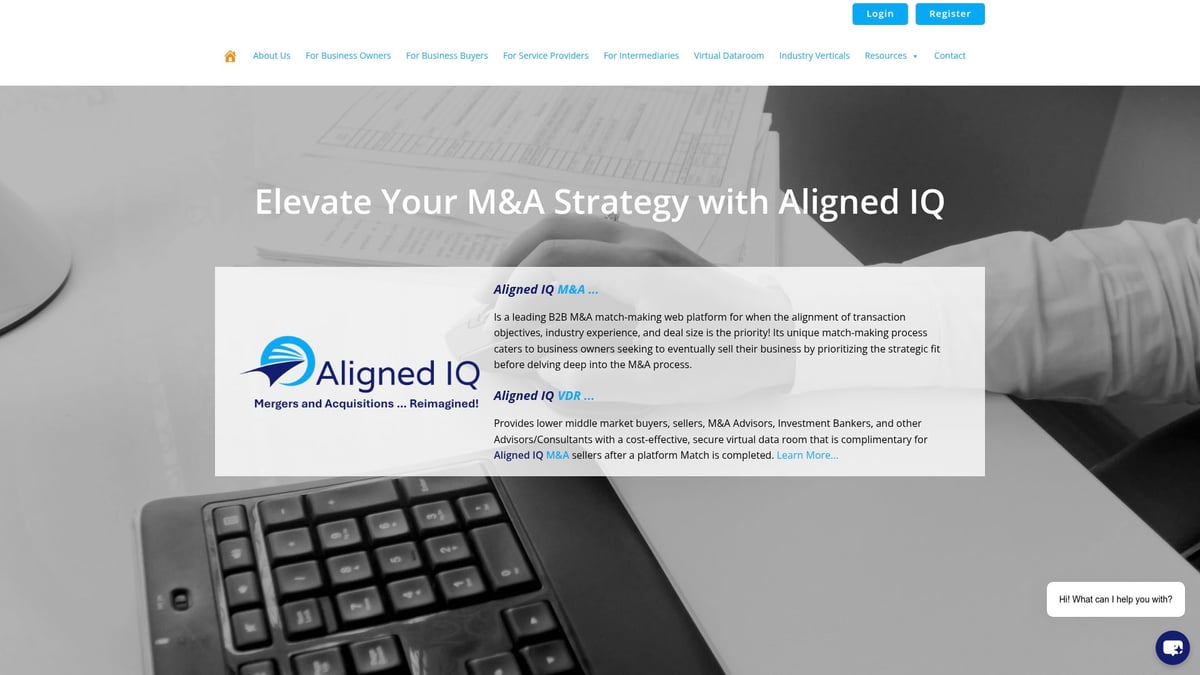
A key distinction is the complimentary Aligned IQ Virtual Data Room (VDR) for matched sellers, which streamlines secure document sharing. For others, the VDR is competitively priced, and you can review VDR pricing for details. M&A service providers also benefit from referral income and value-added tools. Take a Tour to see how Aligned IQ enables confidential, efficient digital M&A.
Qualifying and Vetting Potential Buyers
No matter where you list, the final step in how to sell my business online is carefully vetting potential buyers. Screen for financial capability, acquisition experience, and a genuine strategic fit. Always use NDAs and release sensitive information in stages, only after confirming buyer intent.
Avoid time-wasters and so-called “tire kickers” who may lack the means or motivation to close a deal. By maintaining a structured qualification process, you’ll protect your business and improve the odds of a smooth, successful sale.
Step 4: Managing Due Diligence and Secure Information Sharing
Navigating due diligence is a critical step when learning how to sell my business online. This phase ensures buyers have the confidence to move forward, while sellers protect sensitive information and maintain deal momentum. With the right tools and preparation, you can streamline this process and safeguard your business’s value.
What Buyers Will Examine During Due Diligence
Buyers conduct extensive reviews during due diligence to assess risk and validate your business’s performance. If you want to know how to sell my business online successfully, prepare for these common buyer requests:
- Financial documents: audited statements, tax returns, and bank records
- Legal agreements: customer, supplier, and employee contracts
- Intellectual property: technology stack, trademarks, and patents
- Operational data: traffic analytics, customer databases, and marketing reports
Buyers also scrutinize compliance with industry regulations and data privacy standards. By anticipating these requirements, sellers can avoid delays and demonstrate transparency, which builds buyer trust and supports a smoother transaction.
Using a Virtual Data Room (VDR) for Security and Efficiency
A secure VDR is essential for anyone exploring how to sell my business online in 2026. Unlike traditional email or cloud sharing, a VDR offers advanced permissions, audit trails, and encrypted storage for your confidential documents. This significantly reduces the risk of information leaks and accelerates the diligence timeline.
Aligned IQ VDR, available at competitive pricing, stands out by providing complimentary access to sellers matched through Aligned IQ M&A. Other buyers, sellers, and advisors can also access the platform, benefiting from enterprise-grade security and intuitive collaboration tools. Take a Tour to see how Aligned IQ VDR transforms document sharing during M&A.
Best Practices for a Smooth Due Diligence Process
Implementing best practices will help you master how to sell my business online while minimizing stress and maximizing deal certainty:
- Prepare a comprehensive due diligence checklist early
- Respond quickly and thoroughly to buyer inquiries
- Use NDAs and staged information release to protect sensitive data
- Engage professional advisors to address legal or financial complexities
Leveraging the proprietary, confidential nature of Aligned IQ M&A, alongside secure VDR technology, ensures that your sale process remains low risk and highly efficient. Take a Tour to discover how these solutions empower business owners and advisors in 2026.
Step 5: Negotiating Terms and Closing the Sale
Reaching the closing stage is a major milestone when considering how to sell my business online. This phase is where your preparation pays off and the right negotiation strategies help you secure the best outcome. Every detail, from deal structure to transition planning, impacts your final results.
Structuring the Deal: Terms and Payment Options
Understanding how to sell my business online involves weighing different deal structures. Buyers and sellers often choose between asset sales and stock sales, each with unique tax and legal implications. Payment can be all-cash, involve earn-outs, seller financing, or use escrow for added security.
Here is a quick comparison of common payment options:
| Payment Method | Speed | Risk to Seller | Typical Use Case |
|---|---|---|---|
| All-Cash | Fast | Low | Smaller, straightforward deals |
| Earn-Out | Slower | Higher | Growth-focused businesses |
| Seller Financing | Moderate | Moderate | Builds buyer trust |
| Escrow | Fast | Low | Protects both parties |
A typical scenario: All-cash deals close quickly, but earn-outs can increase total value if performance targets are met. When deciding how to sell my business online, aligning deal structure with your goals is essential.
Drafting and Reviewing Legal Agreements
Legal documentation is a critical part of how to sell my business online. A comprehensive purchase agreement protects both parties and clarifies expectations. Key clauses include representations, warranties, indemnities, and non-compete terms.
Professional legal guidance is strongly recommended. DIY contracts can lead to disputes or failed deals. Many sellers overlook this step, risking costly mistakes. Reviewing Avoiding Pitfalls in Exit Planning can help you identify common errors and safeguard your transaction.
Engage an attorney with experience in online business sales to ensure your interests are protected and the deal is enforceable.
Using Escrow and Secure Payment Methods
When considering how to sell my business online, secure payment is a top priority. Escrow services act as neutral third parties, holding funds until all terms are met. This protects both buyer and seller from fraud or miscommunication.
Set clear milestones for fund release, such as transfer of assets or successful completion of post-sale support. Popular platforms like Escrow.com provide transparent processes and regulatory compliance. Most deals under $5 million rely on third-party escrow for peace of mind.
Escrow is especially important in confidential, semi-proprietary transactions where trust is crucial. With secure payment options, your sale can close smoothly and securely.
Post-Sale Transition Planning
A smooth transition is the final step in how to sell my business online. Develop a detailed handover plan, covering training, support, and access to systems. Set clear expectations about your post-sale involvement, whether short-term or ongoing.
Minimize disruption to customers and employees by communicating early and providing structured support. A strong transition plan helps maintain business performance and buyer confidence.
For sellers using proprietary platforms, maintaining confidentiality throughout the transition is vital. Take a Tour to see how confidential, streamlined M&A solutions protect your interests from negotiation through close.
Avoiding Common Pitfalls and Maximizing Your Exit
Selling your business online can be a minefield if you are not aware of the common traps. One of the biggest mistakes owners make when asking how to sell my business online is failing to organize documentation. Disorganized records can delay diligence or even scare off serious buyers.
Overpricing is another frequent pitfall. It leads to fewer inquiries and can leave your listing stagnant, while underpricing means leaving hard-earned value on the table. Confidentiality breaches also pose a real risk. Sharing information too early or too widely often results in leaks or competitive threats.
Table: Common Pitfalls vs. Solutions
| Pitfall | Solution |
|---|---|
| Poor documentation | Use secure VDR for organized sharing |
| Overpricing | Rely on third-party valuations |
| Lack of confidentiality | Use proprietary matchmaking platforms |
| Inadequate buyer vetting | Screen with NDAs, staged disclosures |
Lessons from failed deals show that strategic buyers may request extensive data and then change terms last minute. Listings that linger lose value rapidly. The question of how to sell my business online is not just about finding buyers, but about moving efficiently and securely.
Professional advisors, such as M&A consultants and legal experts, are invaluable for navigating negotiations and contracts. Leveraging data and buyer feedback helps you refine your approach in real time. Staying flexible with deal structures and buyer types increases your odds of a successful exit.
Aligned IQ M&A stands out by offering a proprietary, semi-proprietary approach to matchmaking. Sellers connect with pre-vetted buyers in a low-risk, confidential environment, maintaining control from start to finish. After a match, Aligned IQ VDR provides sellers complimentary access to an enterprise-grade virtual data room, with competitive pricing for all other users. For more on secure information management, see Using Virtual Data Rooms for M&A.
Take a Tour to see how Aligned IQ’s proprietary tools simplify every stage of your sale while protecting your business’s value.
Now that you understand what it takes to sell your business online in 2026—from preparing your financials to finding the right buyer and navigating due diligence—the next step is seeing these strategies in action. If you want a firsthand look at how a confidential, strategic match-making platform can streamline your sale and protect your interests every step of the way, I invite you to explore the Aligned IQ platform for yourself. Discover how you can connect with serious buyers, maintain control over your information, and maximize your exit value. Take a Tour!
No responses yet