
Thinking about how to sale my business in 2026? The landscape is shifting, and the right approach can turn years of work into a truly rewarding exit.
This guide is designed for business owners who want to maximize results. You will discover proven strategies to prepare your company, accurately value your business, find the right buyers, negotiate strong deals, and close with confidence.
Explore how to sale my business in a modern market, leveraging digital M&A tools and secure data rooms for a smooth, confidential process. Ready to unlock the full value of your business? Let’s get started.
Step 1: Preparing Your Business for Sale
Preparing early is the secret weapon for any owner asking how to sale my business. The process rewards those who plan ahead, address gaps, and position their business for maximum value. Let’s break down what it takes to get your company ready for a successful transaction in 2026.

Assessing Readiness and Setting Objectives
The journey starts with a candid assessment. Owners who begin preparing one to two years in advance often achieve significantly higher valuations. Ask yourself: What are my personal and financial goals for this sale? Do I want a quick exit, or am I open to staying on for a transition?
Start by reviewing your company’s financial statements, legal standing, and operational efficiency. Tidy up any outstanding debts, update compliance records, and ensure your books are accurate. This is the stage where many owners uncover hidden value gaps, such as outdated contracts or reliance on a single customer.
Form a transition team early, including trusted internal leaders and experienced external advisors like accountants and attorneys. According to BizBuySell, 60 percent of failed business sales result from poor preparation. By tackling these steps, you dramatically increase your chances of a successful sale.
If you need actionable guidance, explore these Getting your business exit ready tips to further support your how to sale my business plan.
Enhancing Business Value Before Sale
Once your foundation is sound, it’s time to boost your business’s appeal to buyers. Streamline your operations and document all core processes to show efficiency and reduce owner dependency. Diversify your customer base so that no single client represents an outsized risk.
Renew key supplier agreements and secure long-term contracts, which demonstrate stability. Upgrade your technology and digital assets, as buyers increasingly value modern, scalable systems. Establish recurring revenue streams where possible, since businesses with recurring revenue often sell at a 20 percent premium, according to IBBA.
A typical scenario involves owners identifying value drivers they can improve within a year, such as expanding into new markets or enhancing proprietary assets. Clean, organized records and a clear growth story make your business stand out.
Taking these steps will help you answer how to sale my business with confidence and position your company for a premium outcome.
Step 2: Accurate Business Valuation Strategies for 2026
Determining how to sale my business at the right price is the foundation of a successful exit. In 2026’s dynamic market, getting your valuation right will attract serious buyers and set the tone for negotiation. A clear understanding of valuation strategies ensures you maximize both value and appeal.

Choosing the Right Valuation Method
Selecting the correct approach is essential when considering how to sale my business. The three primary valuation methods are market, income, and asset-based. Each has unique strengths for different business types and market conditions.
| Method | Best For | Pros | Cons |
|---|---|---|---|
| Market | Established industries | Reflects real-world deals | Needs recent comparable sales |
| Income | Profitable, growing firms | Captures future earning potential | Relies on accurate forecasts |
| Asset-Based | Asset-heavy businesses | Simple, clear asset valuation | May undervalue service firms |
In 2026, AI-driven valuation tools are becoming more common. These platforms offer speed and data-driven insights, but human expertise remains vital for nuanced factors. Industry multiples vary, yet in 2023, the median sale multiple was 2.8x SDE (Seller’s Discretionary Earnings).
A typical scenario involves comparing market-based and income approaches to see which best represents your company’s value and growth story. For a deeper dive into these methods and to ensure your numbers stand up to scrutiny, explore Business valuation essentials.
Maximizing Perceived Value
To truly optimize how to sale my business, focus on what buyers value most. Present clear growth opportunities and highlight proprietary assets or intellectual property. Emphasize the depth of your management team and demonstrate that the business can thrive without heavy owner involvement.
- Document all financials and operations clearly
- Showcase customer and revenue diversification
- Highlight recurring revenue streams or key contracts
- Keep all compliance and legal records up-to-date
Well-organized documentation and a compelling growth narrative build trust and can command a premium. In today’s competitive market, the right presentation can make all the difference when buyers compare opportunities.
Step 3: Finding and Qualifying the Right Buyers
Finding the right buyer is one of the most crucial steps when considering how to sale my business in today’s competitive landscape. The process requires both strategy and discretion, especially as the market becomes more dynamic in 2026.
Where to Find Serious Buyers in 2026
When you start the journey of how to sale my business, identifying serious buyers is essential for a successful exit. Traditional channels such as business brokers, industry contacts, and experienced M&A advisors remain valuable. These professionals offer access to networks and can vet buyers discreetly.
Online platforms and business-for-sale marketplaces have gained popularity, expanding the pool of potential buyers. However, these channels come with risks, such as confidentiality breaches or unqualified inquiries. Attending industry events and leveraging professional networks can also generate interest from strategic acquirers.
Maintaining confidentiality throughout the marketing process is critical. Premature disclosure can disrupt operations, impact employee morale, or alert competitors. To protect your business, use non-disclosure agreements and limit sensitive information until buyers are qualified.
Screening buyers for financial capability and strategic fit is a key step. This process involves verifying funding sources, acquisition experience, and alignment with your business’s values and growth potential. According to BizBuySell, only 10-15% of inquiries lead to serious negotiations, highlighting the need for diligent qualification.
A typical scenario involves a seller receiving multiple inquiries, only to discover that most lack the resources or intent to proceed. This underlines the importance of a structured approach. For a comprehensive overview of best practices, see the Steps to sell your business guide.
How Aligned IQ M&A Facilitates Confidential, Strategic Buyer Matches
Aligned IQ M&A offers a proprietary, web-based platform purpose-built for business owners seeking a confidential and strategic approach to how to sale my business. Unlike traditional M&A, the platform matches sellers and buyers based on transaction priorities, deal size, and industry expertise before any detailed engagement.
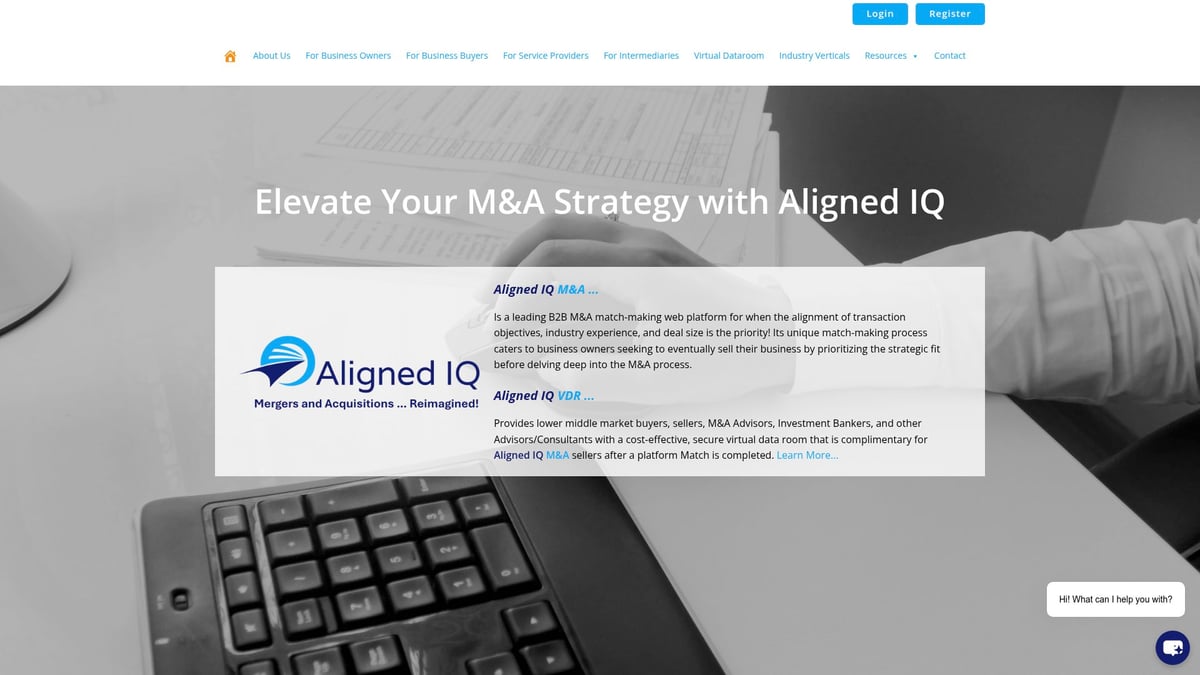
Sellers benefit from a discreet, no-upfront-fee process, retaining control over who sees their business. Buyers access semi-proprietary and off-market opportunities that align with their acquisition strategy. M&A advisors and service providers can earn referral fees and showcase their expertise.
The platform’s unique approach reduces mismatches and failed deals, transforming M&A into a more collaborative process. Aligned IQ VDR, available at competitive pricing (see details), provides a secure data room for sharing documents after a match. Take a Tour to see how the platform can simplify your next transaction.
Step 4: Negotiating and Structuring the Deal
Negotiating and structuring your business sale is one of the most critical phases in the "how to sale my business" process. This stage determines not only your financial outcome but also how smoothly the transition unfolds for both parties.

Navigating Negotiations for Optimal Outcomes
Effective negotiation is central to maximizing value when considering how to sale my business. Sellers should approach the process with a clear understanding of key negotiation tactics:
- Anchoring: Start with a strong initial proposal that frames the discussion.
- Framing: Present terms in a way that highlights mutual benefit.
- Managing Expectations: Set realistic goals and communicate openly.
Choosing the right deal structure is equally important. Common options include asset sales, stock sales, earnouts, and seller financing. Each structure offers distinct advantages and tax implications. For instance, asset sales often appeal to buyers for their simplicity, while earnouts can bridge valuation gaps.
Legal documentation is crucial. Letters of intent (LOIs), non-disclosure agreements (NDAs), and detailed term sheets protect your interests and clarify commitments. Your transition team—attorneys, accountants, and M&A advisors—will help guide you through these complexities.
Due diligence is a pivotal step. Organize your documents and address potential questions proactively to build buyer confidence. In a typical scenario, sellers may receive multiple offers and must weigh not just price, but also terms, contingencies, and fit.
Statistics show that 70 percent of deals involve some form of seller financing. To master negotiation, explore expert tactics in Negotiating the sale process.
Avoiding Common Pitfalls
Avoiding common pitfalls is essential in the "how to sale my business" journey. Overvaluation is a frequent issue—unrealistic price expectations can deter serious buyers and stall negotiations.
Lack of clarity around post-sale roles and transition periods can undermine trust and lead to disputes. Ensure you define responsibilities and timelines in all agreements.
Preparation for buyer due diligence is non-negotiable. Incomplete or disorganized records may raise red flags and delay or derail the process. Tax implications of different deal structures should be reviewed with your advisors early, as missteps can significantly impact your net proceeds.
A well-structured deal, supported by clear documentation and a collaborative approach, reduces risk and paves the way for a successful closing. Remember, leveraging proprietary platforms like Aligned IQ M&A and secure tools such as Aligned IQ VDR can further protect confidentiality and streamline negotiations, offering a distinct advantage over traditional M&A processes.
Step 5: Closing the Sale and Ensuring a Smooth Transition
The final step in how to sale my business is where careful planning pays off. A smooth closing and transition not only maximize your sale price but also safeguard your legacy and relationships. Let’s explore how to execute this crucial phase with confidence.
Finalizing the Transaction
The closing phase of how to sale my business involves several vital steps. Start by preparing key documents: purchase agreement, bill of sale, and non-compete clauses. Coordinating with legal, financial, and tax professionals helps prevent costly mistakes and ensures compliance with all regulations.
Escrow arrangements and payment terms must be clearly defined, protecting both seller and buyer. Managing regulatory approvals and addressing last-minute concerns requires agility and open communication. A typical scenario often involves delays from missing documentation, so staying organized is essential.
For sellers using Aligned IQ M&A, the platform’s proprietary matchmaking process ensures confidential, strategic buyer engagement. Unlike traditional M&A, Aligned IQ prioritizes secure, semi-proprietary deal flow, reducing the risk of mismatches and failed closings. The integrated Aligned IQ VDR offers a secure, seller-friendly environment for document sharing and due diligence. This approach dramatically streamlines the process compared to legacy methods, letting sellers maintain control and privacy.
Timelines can vary, and understanding how long does it really take to sell a business in 2025? helps you set realistic expectations for your closing.
Post-Sale Transition Planning
A well-structured transition is the final hallmark of how to sale my business successfully. Begin by developing a transition plan for employees, customers, and vendors. Outline training and support periods for new ownership, and communicate the sale thoughtfully both internally and externally.
Protecting your company’s legacy is easier with the right tools. Aligned IQ VDR is specifically designed for lower middle-market M&A, offering sellers complimentary access post-match. For other users, competitive pricing is available—see the pricing details for more information. Robust permission controls, user analytics, and complete data isolation ensure sensitive information stays protected throughout the transition.
A typical scenario shows that buyers value clear, organized handovers and ongoing support. Well-planned transitions increase satisfaction and reduce disputes. Ready to see how these solutions can transform your exit? Take a Tour and discover the difference.
Leveraging Digital Tools and Secure Data Rooms in Modern M&A
Digital transformation is rapidly changing how to sale my business in the modern M&A landscape. In 2026, secure digital solutions are not just conveniences—they are fundamental for successful, confidential, and efficient transactions. The right digital tools can streamline your process, protect sensitive information, and help you stand out in a competitive market.
The Role of Virtual Data Rooms (VDRs) in 2026 Transactions
Virtual Data Rooms (VDRs) are now the gold standard for how to sale my business, especially for business owners seeking confidentiality and efficiency. A VDR allows you to share sensitive documents with potential buyers, advisors, and partners in a secure, organized environment.
Key features of leading VDRs include:
- Permission-based access controls to limit who can view, download, or edit files
- Detailed user analytics and audit trails for compliance and transparency
- Full data isolation for each transaction, preventing cross-contamination
A typical scenario in 2026 involves sellers using a VDR to respond to buyer document requests, track engagement, and maintain real-time oversight throughout due diligence. This approach is significantly faster and more secure than traditional methods like email or physical data sharing.
Consider this comparison:
| Feature | VDRs (2026) | Traditional Sharing |
|---|---|---|
| Security | High (encrypted, permission-based) | Moderate (email, printouts) |
| Speed | Instant access | Delays common |
| Compliance | Built-in audit trails | Manual tracking |
| Confidentiality | Robust | Higher risk |
With the rise in digital M&A, more sellers are turning to VDRs to protect their interests and boost deal success. Recent trends show that secure digital tools are driving higher transaction volumes, as highlighted in Small business acquisitions rise 5% in 2024.
Aligned IQ VDR: Competitive, Secure, and Seller-Friendly
Aligned IQ VDR is tailored for those navigating how to sale my business in the lower middle market. Unlike generic solutions, Aligned IQ VDR prioritizes seller control, confidentiality, and cost-effectiveness. Sellers using Aligned IQ M&A benefit from complimentary VDR access after a successful match, while competitive pricing is available for buyers, intermediaries, and M&A service providers. For full details, see the pricing details.
Distinct advantages of Aligned IQ VDR include:
- Proprietary permission controls and complete data isolation for each deal
- Comprehensive user analytics to monitor buyer interest and engagement
- Streamlined due diligence—accelerating deal timelines and minimizing risk
The platform is designed to support a confidential, seamless experience, unlike the traditional M&A process, where document management often leads to delays and security concerns. For business owners focused on how to sale my business with minimal friction, Aligned IQ VDR offers a robust solution to safeguard sensitive information and maintain a professional edge.
Curious to see how these features work in practice? Take a Tour to experience the platform’s unique capabilities.
Now that you understand how strategic preparation, accurate valuation, and the right buyer match can elevate your business sale in 2026, why not see these principles in action? Aligned IQ M&A brings together sellers and qualified buyers in a confidential, collaborative environment—streamlining everything from initial match to secure data room access. If you’re serious about achieving the best possible exit, you owe it to yourself to explore how their platform can work for you. Ready to see how your sale process could look? Take a Tour!
No responses yet