

A record number of small business owners are expected to sell and exit by 2026, creating both exciting opportunities and new challenges. If you are wondering, how do i sell my small business in this evolving market, you are not alone.
Selling a small business is a journey that requires planning, strategy, and the right support. This guide gives you a step-by-step roadmap to ensure a smooth, profitable sale.
You will learn how to:
- Prepare your business for sale
- Accurately value your business
- Find and qualify buyers
- Negotiate and structure the deal
- Manage due diligence and closing
Discover the latest tools and strategies to make the process easier and more rewarding for sellers in 2026.
Step 1: Preparing Your Small Business for Sale
Preparing early is crucial if you are asking, how do i sell my small business in a competitive market. Careful groundwork can mean the difference between a smooth, profitable exit and a stalled sale.

Understanding Your Motivation and Timeline
Clarifying why you are selling is the first step in answering, how do i sell my small business successfully. Are you seeking retirement, a new venture, or financial security? Pinpointing your motivation shapes your approach and helps set clear goals.
Consider your ideal timing. Market trends and business cycles affect valuation, so selling during a strong market often yields better results. Early planning, ideally two to three years ahead, allows you to maximize value and address any weaknesses before listing your business.
Getting Your Financials in Order
Financial transparency builds trust with buyers and is central to how do i sell my small business for the best price. Organize all financial statements, tax returns, and key performance indicators. Address outstanding debts or liabilities promptly.
Buyers will scrutinize your records. Clean, accurate books make your business more attractive and speed up the due diligence process. Consult your accountant to ensure everything is in order well before you go to market.
Streamlining Operations and Documentation
Efficient operations are a major selling point for anyone asking, how do i sell my small business efficiently. Systematize processes and update standard operating procedures (SOPs). Ensure all legal documents, contracts, and licenses are up to date.
Reduce owner dependency by building a strong management team. This not only increases buyer confidence but also helps your business sell faster. For actionable tips on getting your business exit-ready, see Making Your Business Exit Ready.
Assessing Business Value Drivers
Understanding what drives business value is key when considering, how do i sell my small business for maximum return. Focus on factors such as recurring revenue, customer diversity, and market position. Benchmark your performance against industry averages to identify areas for improvement.
A simple table can help you track value drivers:
| Value Driver | Impact on Sale Price |
|---|---|
| Recurring Revenue | High |
| Customer Diversity | High |
| Market Position | Medium to High |
| Owner Dependency | Lowers Value |
Common Pitfalls to Avoid
One of the most common mistakes in how do i sell my small business is overestimating its value. Lack of preparation or ignoring market signals can also derail a sale. In fact, about 50 percent of small businesses fail to sell due to poor preparation.
Stay realistic, listen to market feedback, and seek professional guidance when needed. Avoid these pitfalls to boost your chances of a successful sale.
Step 2: Business Valuation and Setting Expectations
Determining what your business is truly worth is a critical step in answering how do i sell my small business. A precise valuation not only sets the stage for successful negotiations but also helps you attract serious buyers and avoid wasted time. Let’s break down the key elements of business valuation and how to set realistic expectations before listing your company for sale.

Methods of Valuing a Small Business
There are several widely used methods for valuing a small business, each providing unique insights into your company’s worth. Common approaches include:
- Seller’s Discretionary Earnings (SDE) multiples
- EBITDA multiples (Earnings Before Interest, Taxes, Depreciation, and Amortization)
- Asset-based valuations
- Market comparables
Industry-specific factors also play a role, as service businesses and product-based companies may be valued differently. Most small businesses sell for 2 to 4 times SDE. For a deeper dive into these valuation methods and factors, see Business Valuation Essentials.
Working with Professional Valuators
Engaging a certified business appraiser or M&A advisor can add significant credibility to your sale. These professionals offer detailed valuation reports that support your asking price and help build buyer confidence. Their expertise ensures all financial, operational, and market factors are considered objectively.
A professional valuation can also help you navigate negotiations and justify your price if buyers raise concerns. In a typical scenario, having a third-party report streamlines the process and reduces emotional pricing decisions.
Setting Realistic Price Expectations
Setting a realistic asking price is key if you are asking how do i sell my small business in today’s market. Factors like market demand, growth potential, and current industry trends should shape your expectations. Overpriced businesses often remain on the market 30 percent longer compared to accurately priced ones.
To avoid this pitfall, review recent sales of similar companies and consider current buyer activity. A flexible mindset will help you adapt to changing conditions and attract qualified buyers quickly.
Preparing a Sell-Side Information Package
A comprehensive information package is essential for showcasing your business to potential buyers. Your sell-side package should include:
- Executive summary
- Financial statements and tax returns
- Growth opportunities and identified risks
- Details about your team, customers, and suppliers
A well-prepared package accelerates buyer interest and demonstrates professionalism. Organized documentation not only speeds up due diligence but also increases buyer trust.
Adjusting Value Based on Market Feedback
After listing your business, be prepared to adjust your valuation strategy based on initial buyer feedback and broader market signals. If buyer interest is lower than expected, revisit your pricing or highlight undervalued strengths.
Remember, flexibility is important when considering how do i sell my small business for optimal results. Market feedback gives you valuable data to refine your approach and ensure a successful sale.
Step 3: Finding and Qualifying the Right Buyers
Finding the ideal buyer is a crucial step in answering how do i sell my small business. With more sales expected in 2026, standing out in the market requires a strategic approach. The right buyer not only offers a fair price but also ensures the legacy of your business continues.
Choosing the Right Marketing Channels
When considering how do i sell my small business, selecting the best marketing channels is vital. Traditional options include confidential listings, business brokers, and M&A advisors, each with unique advantages. Online platforms can increase exposure but may risk confidentiality.
Business brokers offer guidance and access to qualified buyers, while online listings attract a wider pool, including the 60% of small business buyers who are first-timers. For a step-by-step overview, see Steps to Sell Your Business. Weigh the pros and cons of each method to match your goals and timeline.
How Aligned IQ M&A Transforms the Buyer-Seller Matchmaking Process
Aligned IQ M&A offers a proprietary B2B platform designed to answer how do i sell my small business with maximum confidentiality and strategic alignment. Unlike traditional processes, sellers retain control and only interact with buyers who fit their criteria.
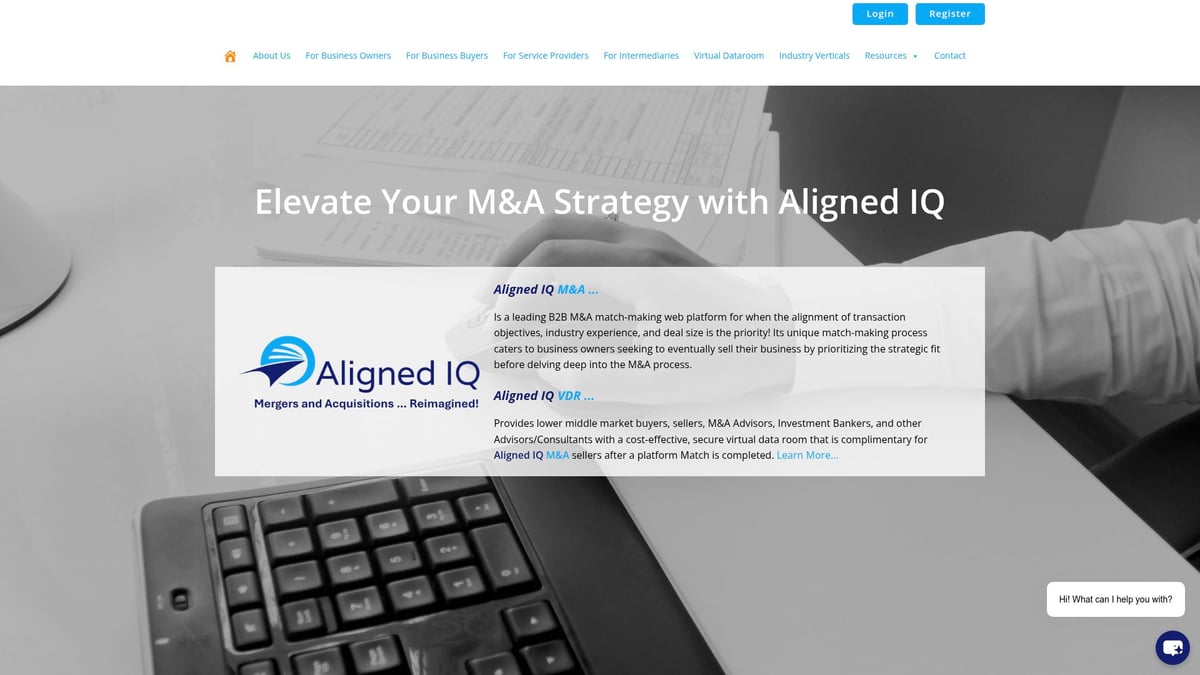
The platform’s semi-proprietary approach ensures buyers access deals not widely available elsewhere, increasing exclusivity and reducing mismatches. Sellers benefit from no upfront fees and receive a complimentary secure Virtual Data Room (VDR) after a match. Aligned IQ VDR provides enterprise-grade security, analytics, and competitive pricing—see VDR pricing. Take a Tour to experience how Aligned IQ can streamline your sale.
Qualifying Potential Buyers
A key factor in how do i sell my small business is carefully qualifying buyer inquiries. Begin by screening for financial capability, industry experience, and strategic fit. Requesting non-disclosure agreements (NDAs) protects sensitive information and upholds confidentiality.
Typically, only 1 in 10 inquiries are qualified for serious negotiations. In a typical scenario, focusing on the right buyer profile saves time and reduces the risk of failed deals. Prioritize transparency and security throughout the qualification stage.
Managing Buyer Communications
Effective communication is essential when navigating how do i sell my small business. Respond promptly to initial inquiries, but avoid oversharing before buyers are fully qualified. Use a secure VDR to share sensitive documents and track buyer engagement.
Set clear boundaries to prevent information overload or potential leaks. Maintaining strict confidentiality builds trust and protects your business throughout the sale process.
Step 4: Negotiating and Structuring the Deal
Negotiating and structuring the deal is a pivotal step for anyone asking, how do i sell my small business. The right approach can mean the difference between a smooth, profitable exit and months of stalled progress. Understanding your options and leveraging modern tools like Aligned IQ M&A and the secure Aligned IQ VDR will help you navigate this stage with confidence.

Key Deal Structures and Terms
When considering how do i sell my small business, the structure you choose shapes your outcome. The two most common approaches are asset sales and stock sales. Asset sales transfer specific assets and liabilities, often preferred by buyers for reduced risk. Stock sales, on the other hand, transfer ownership of the entire company entity, which can benefit sellers looking for a clean break.
Other deal components include earnouts, where part of the price depends on future performance, seller financing, and non-compete agreements. Seller financing, in particular, is present in roughly 30 percent of small business transactions, offering buyers flexibility and sellers a path to higher valuations.
Navigating Negotiations
Effective negotiation is central to the question, how do i sell my small business successfully. Start by defining your bottom line, but remain open to creative deal terms that benefit both sides. Focusing on value rather than just price helps bridge gaps, especially in dynamic markets.
Leverage the expertise of legal, financial, and M&A advisors throughout the process. Aligned IQ M&A gives sellers low-risk visibility to strategic buyers, replacing the scattershot outreach of traditional M&A with targeted, confidential engagement. This proprietary matchmaking, paired with secure document sharing via Aligned IQ VDR, streamlines negotiations and reduces the chance of mismatches.
Letter of Intent (LOI) and Term Sheet Essentials
A well-crafted Letter of Intent (LOI) is essential when you reach this stage in how do i sell my small business. The LOI outlines the agreed price, deal structure, contingencies, and key timelines. It serves as a roadmap for final negotiations and due diligence, reducing ambiguity and potential disputes.
Clarity and specificity in both the LOI and term sheet protect both parties and set expectations. Using platforms that prioritize confidentiality, such as Aligned IQ M&A, ensures sensitive information is only shared with vetted, serious buyers, preserving your leverage and privacy.
Handling Counteroffers and Objections
Counteroffers and objections are a normal part of the deal process. Stay prepared to respond to buyer pushback by focusing on the strengths and value drivers of your business. Sometimes, minor concessions on terms or timelines can keep a deal moving forward.
Knowing when to compromise and when to walk away is key. Rely on your advisors for perspective, and remember that a well-matched buyer, as found through a proprietary platform, reduces the likelihood of disruptive surprises late in negotiations.
Protecting Your Interests
Throughout negotiations, protecting your interests is crucial for anyone considering how do i sell my small business. Ensure all sensitive documents are shared securely, ideally through a Virtual Data Room like Aligned IQ VDR, which offers enterprise security, analytics, and competitive VDR pricing.
Work with your legal team to limit post-sale liabilities, secure payment terms, and maintain strict confidentiality. Early preparation and strong documentation, as emphasized during the due diligence phase, further safeguard your position. Ready to see how a proprietary, secure process can help? Take a Tour of Aligned IQ for a streamlined, secure sale experience.
Step 5: Due Diligence and Closing the Sale
The due diligence and closing phase is often the most critical step in answering how do i sell my small business. This stage ensures buyers get a transparent look at your operations while you secure the best terms. Being organized, proactive, and leveraging new tools will help you close confidently and efficiently.
Preparing for Buyer Due Diligence
When considering how do i sell my small business, thorough due diligence preparation is vital. Buyers will scrutinize your financials, legal records, operations, HR documentation, and contracts.
Expect requests for tax returns, profit and loss statements, employee agreements, and supplier contracts. Organized sellers can close deals 40% faster. For actionable steps on preparing for this stage, review this Preparing for Due Diligence article.
Responding quickly and accurately builds buyer trust and reduces deal fatigue.
Using a Secure Virtual Data Room (VDR)
A secure Virtual Data Room is a game-changer in how do i sell my small business. Aligned IQ VDR stands out by offering enterprise-grade security, analytics, and a complimentary solution for matched sellers using Aligned IQ M&A.
Key benefits include:
- Secure sharing of sensitive documents
- Granular access controls and activity tracking
- Seamless integration with the Aligned IQ M&A platform
The VDR is competitively priced and available to all parties, with transparent VDR pricing. Take a Tour to see how Aligned IQ VDR streamlines your closing process.
Managing Third-Party Advisors and Professionals
A successful sale hinges on the expertise of your advisors. When asking how do i sell my small business, remember that attorneys, accountants, and brokers play distinct roles.
- Attorneys draft and review legal documents
- Accountants ensure financial accuracy and tax compliance
- Brokers and M&A advisors facilitate negotiations
Coordinating these professionals, setting clear communication channels, and sharing updates through a secure VDR will keep your transaction on track.
Finalizing Legal and Financial Documents
Finalizing the deal is a core concern in how do i sell my small business. Key documents include the purchase agreement, bill of sale, assignment of assets, and a clear transition plan.
Accuracy is non-negotiable. Legal review is essential to avoid disputes and ensure all parties understand their obligations. Using a secure platform like Aligned IQ VDR helps manage document flow and sign-offs efficiently.
Transition Planning and Handover
A smooth transition is the final step when considering how do i sell my small business. Develop a plan for staff, customers, and vendors, outlining responsibilities and timelines.
A typical scenario involves detailed onboarding support for the new owner, which increases satisfaction and minimizes post-sale issues. Staying involved as an advisor during the transition can further ensure the business continues to thrive under new leadership.
Step 6: Life After the Sale—What’s Next?
Selling your business is a major milestone, but what comes next can be just as important. After you answer the question, how do i sell my small business, it is time to consider your future.
Many owners choose retirement, start new ventures, or offer consulting services. According to the Comerica Small Business Pulse Index, optimism for small business growth in 2026 is strong, opening doors for new opportunities.
It is also wise to plan for tax implications and manage any financial windfall carefully. Consulting a financial advisor or tax professional can help you protect your gains.
Emotionally, letting go can be challenging. A typical scenario is that former owners find fulfillment by mentoring the next generation or supporting their business community. Staying involved as an advisor can provide a rewarding sense of purpose.
You’ve seen how strategic preparation, clear valuation, and the right buyer match can make selling your small business in 2026 both profitable and rewarding. If you’re ready to take the next step and want a smoother, more confidential path to finding your perfect buyer, I encourage you to explore Aligned IQ M&A. Their unique match-making process puts your goals first, connects you with serious, qualified buyers, and provides secure tools to protect your interests every step of the way. Curious how it all works in practice
Take a Tour!
No responses yet