

The need for a secure and easy-to-use free virtual data room is more urgent than ever for businesses aiming to safeguard sensitive documents and streamline deals. Startups, lower-middle market companies, and advisors often juggle tight budgets and high expectations when it comes to document management and transaction efficiency.
This article spotlights the 7 best free virtual data room solutions for 2026, carefully selected to help you manage due diligence, fundraising, M&A, and secure collaboration without overspending. We will break down each provider’s standout features, pricing, unique strengths, and real-world use cases so you can confidently choose the right fit.
Ready to discover which free virtual data room matches your business needs? Take a Tour and find the platform that will protect your documents and accelerate your next transaction.
What Is a Virtual Data Room and Why Use a Free Solution?
A virtual data room is a secure online platform designed for storing, managing, and sharing confidential documents during business transactions. For lower-middle market businesses, startups, and advisors, these platforms are essential in facilitating processes such as M&A, fundraising, and due diligence. The right free virtual data room can streamline collaboration, reduce risk, and keep sensitive information protected.
Key use cases for a free virtual data room include lower-middle market M&A, pre-sale due diligence, legal contract sharing, and strategic partnership discussions. These solutions are especially valuable for smaller teams that need to share documents securely without investing heavily in software.
Choosing a free virtual data room offers several advantages. Startups and smaller businesses benefit from significant cost savings, as there are no upfront fees or long-term commitments. Free plans often provide core features such as permission controls, document versioning, and user activity tracking. The onboarding process is typically fast and user-friendly, allowing teams to get started with minimal training.
Security is a top concern when sharing confidential documents. While most free virtual data room providers offer essential safeguards such as encryption and access controls, there are differences compared to paid solutions. For a detailed comparison of security features in free data rooms, including audit trails and compliance standards, see Virtual Data Room Security Features. It is crucial to assess whether the platform meets your specific regulatory and confidentiality requirements.
However, free virtual data room solutions come with limitations. Storage space is often capped, advanced features like watermarking or detailed analytics may be missing, and customer support can be limited. Free solutions work best for less complex deals or early-stage projects where basic document sharing and security suffice.
As your business grows or the complexity of your transactions increases, you may need to upgrade to a paid or enterprise-grade VDR. Indicators include needing more storage, supporting larger user groups, or requiring enhanced compliance and analytics.
Consider the example of a small business owner negotiating a confidential partnership. By using a free virtual data room, documents stay organized and secure, the process remains discreet, and costs are kept low. This approach empowers decision-makers to focus on building relationships and closing deals efficiently. When ready to explore advanced features or enhanced security, take a tour of premium options to ensure a seamless transition.
How to Evaluate Free Virtual Data Room Providers
Choosing the right free virtual data room can shape the success of your transaction. For lower-middle market businesses and advisors, understanding what to look for ensures both security and efficiency from day one.
Security & Compliance
Security is the foundation of any free virtual data room. Look for platforms offering end-to-end encryption, robust permission controls, and detailed audit logs. These features protect sensitive deal documents and ensure only authorized parties have access. For lower-middle market M&A or fundraising, compliance with standards like SOC2, GDPR, and HIPAA is vital.
Some providers, such as Aligned IQ, emphasize confidential, low-risk transactions by incorporating these protocols. Certifications are a green flag—platforms highlighted in SOC 2 and HIPAA Compliance Explained demonstrate a commitment to secure data governance. Always verify the provider’s real-world track record and certifications before uploading confidential files.
Usability & Collaboration Features
A free virtual data room should simplify onboarding and daily use. Seek out a clean, modern interface, drag-and-drop uploading, and real-time collaboration tools. Document versioning is especially helpful, allowing teams to track changes and avoid confusion during due diligence.
Intuitive platforms reduce training time and help teams focus on what matters. For example, a lower-middle market seller can quickly organize deal documents and invite buyers, all without IT headaches. The right interface saves time and builds trust between parties.
Storage, Scalability & Access
Storage capacity and scalability are crucial when evaluating a free virtual data room. Most free plans offer limited storage—ranging from 2GB to 15GB—and may restrict the number of users or data rooms. Consider your immediate needs, but also how the platform handles growth as your deal volume increases.
Some solutions provide flexible access for small teams, while others support only individual users. Always check if the provider allows seamless upgrades to paid plans for more storage or features as your requirements change.
Support & Integrations
Reliable support and integrations streamline workflows in a free virtual data room. Look for providers with responsive customer service channels, such as live chat or email, and a comprehensive knowledge base for troubleshooting.
Integration with tools like Google Workspace, Slack, or project management platforms can boost productivity. For lower-middle market teams, a platform that fits into your existing tech stack minimizes disruption and speeds up transactions. Prioritize providers that support your team’s preferred tools and offer timely assistance when needed.
7 Best Free Virtual Data Room Solutions for 2026
Choosing the right free virtual data room is essential for lower-middle market businesses, startups, and advisors seeking secure, efficient, and cost-effective document management. Below, we review the top seven solutions, focusing on features, benefits, and key use cases to help you make an informed decision.
Aligned IQ VDR
Aligned IQ VDR stands out as a proprietary free virtual data room designed specifically for lower-middle market M&A. Sellers who complete a successful match via Aligned IQ access their VDR at no cost, reducing upfront risk and ensuring confidentiality. The platform offers a 7-day free trial for all users, with competitive pricing for others. Core features include secure sharing, granular permissions, audit trails, document tracking, and industry-specific file organization.
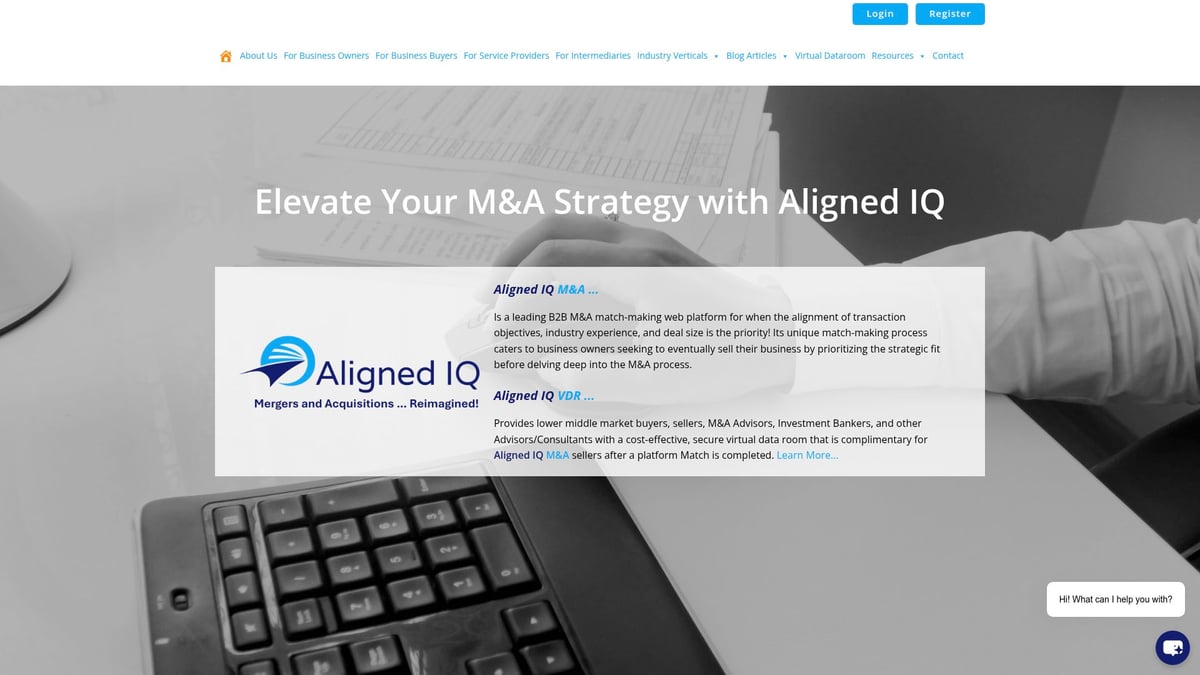
Its strategic-fit-first approach emphasizes confidential matchmaking, making it ideal for business owners seeking low-risk exits and buyers looking for off-market deals. Advisors also benefit from streamlined transactions. Key pros are robust security, modern UI, focus on industry verticals, and integration with proprietary deal sourcing. The main con is that the full feature set is best accessed after a match, and it is less suited for large enterprise deals.
Aligned IQ transforms M&A into a collaborative process, minimizing risk and cost for all parties. To understand how this differs from the traditional sell-side M&A process, consider taking a tour and experiencing the new standard for free virtual data room solutions.
Papermark
Papermark is an open-source free virtual data room that appeals to startups and tech-savvy teams. The free plan supports a single user, while an open-source version enables self-hosting with no seat limit. Paid SaaS plans unlock advanced features. Notable features include unlimited data rooms, detailed analytics, custom branding, AI assistant, drag-and-drop uploads, and screenshot protection.
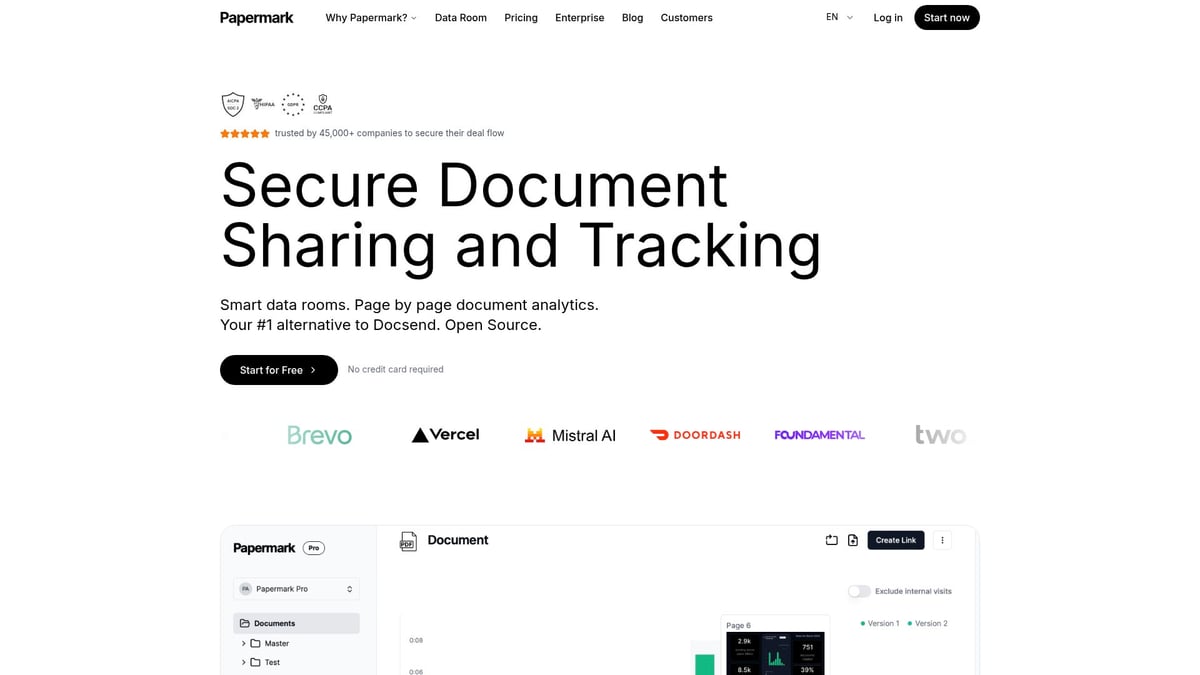
Full code transparency and community support make Papermark highly customizable. Ideal for organizations needing on-premises hosting or full control over data, it’s a popular choice for SaaS startups managing internal fundraising. Pros include granular analytics, flexible deployment, and open-source development. However, advanced features may require technical resources or a paid subscription.
Papermark empowers teams to create a tailored free virtual data room experience while maintaining strong analytics and security.
Box
Box offers a familiar, user-friendly free virtual data room option for individuals and small teams. The free individual plan provides 10GB of storage and secure document sharing, supporting over 1,500 app integrations and basic admin controls. This makes onboarding simple and collaboration seamless.
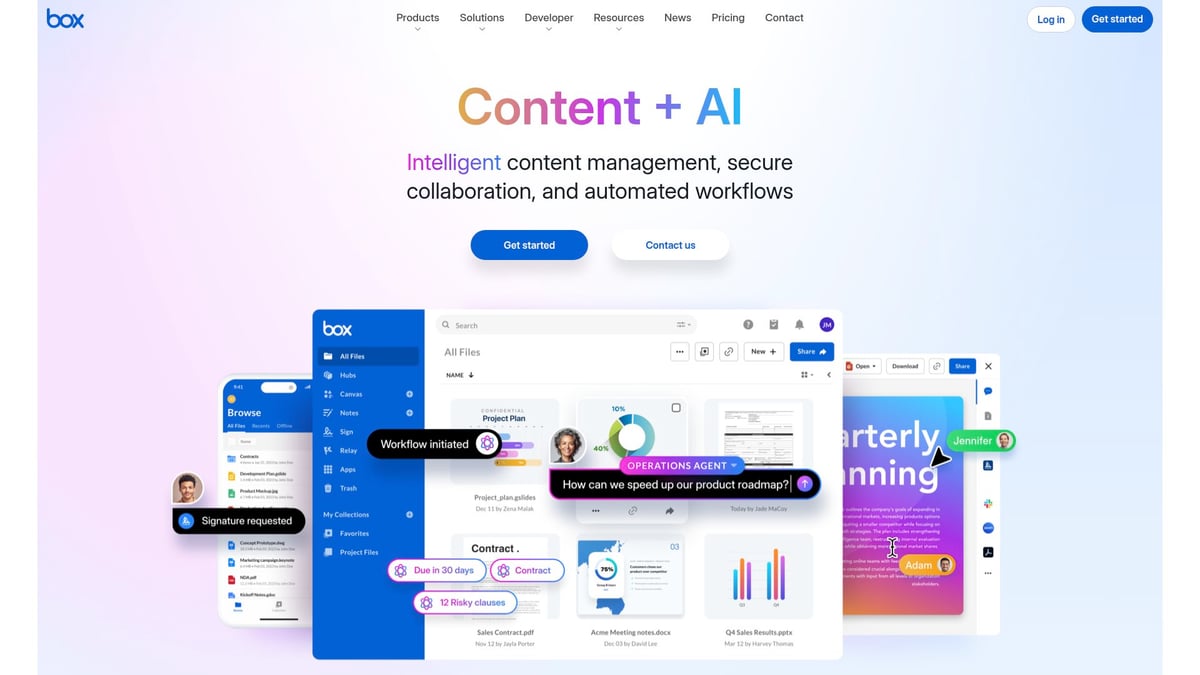
Box is best for teams needing secure file sharing and basic data room functionality for less complex deals. Pros are ease of use, mobile access, and a widely adopted platform. Cons include limited advanced VDR features, no self-hosting, and storage caps on the free plan.
For example, small legal teams often use Box for reviewing and sharing confidential documents, making it a practical choice for efficient free virtual data room needs.
FirmRoom
FirmRoom is designed for M&A professionals, offering a free trial with paid plans following the trial period. Its free virtual data room features include drag-and-drop uploads, bulk file management, granular permissions, analytics, and audit logs.
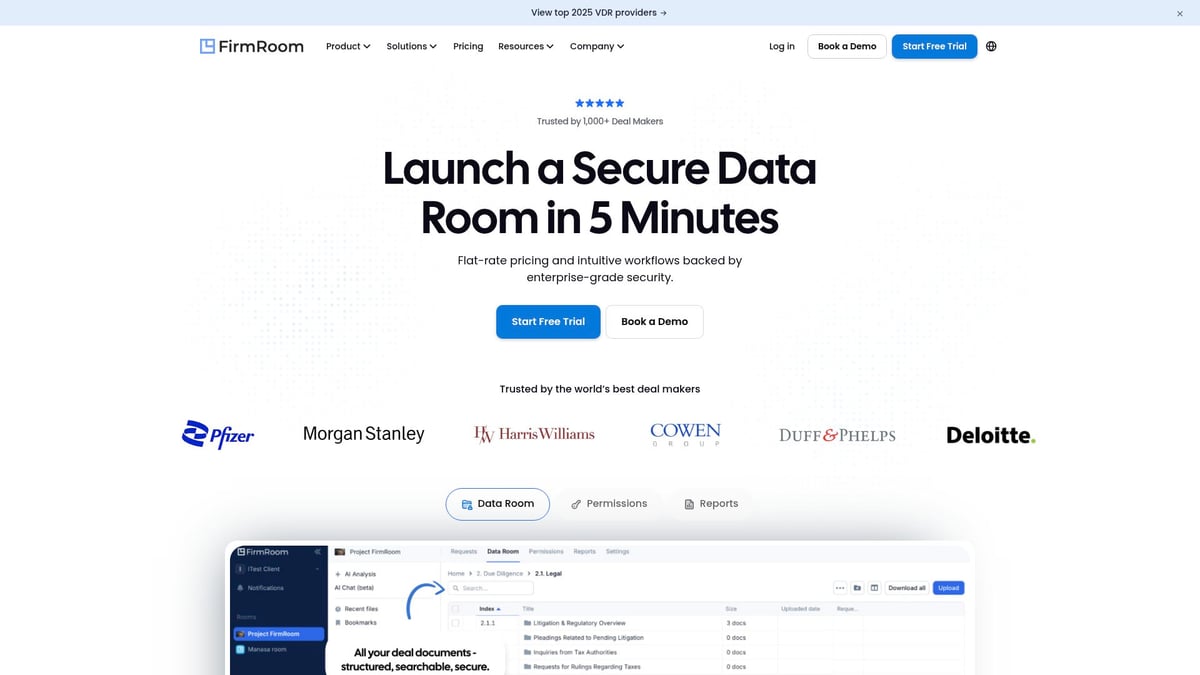
FirmRoom's intuitive interface and security focus cater to lower-middle market M&A, due diligence, and corporate development. Pros include an M&A-focused feature set and a reputable client base. The main drawback is that the free plan is limited to a trial period, with full functionality available only via subscription.
Boutique advisors often leverage FirmRoom to streamline document exchange during strategic transactions, finding it a reliable free virtual data room for initial deal stages.
Google Drive
Google Drive remains a go-to free virtual data room for startups and advisors. The free plan offers 15GB of storage, real-time collaboration, easy file management, and integration with Google Workspace. Permission settings help control access, and setup is nearly instantaneous.
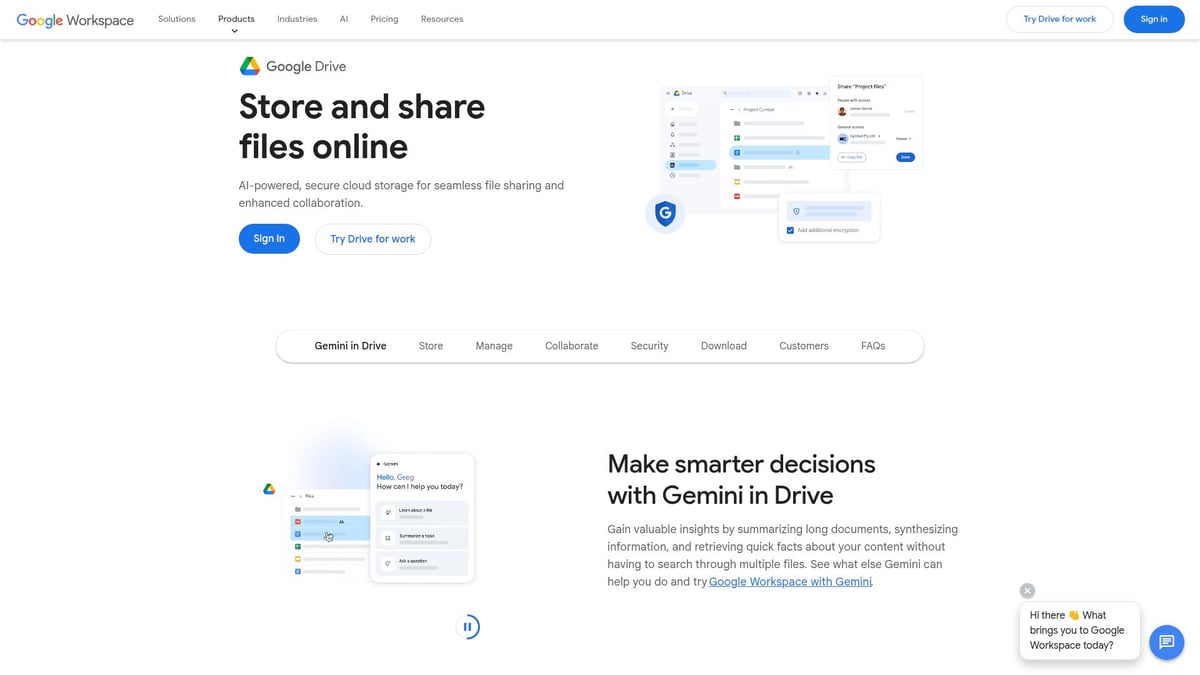
Drive is best for early-stage startups or small teams seeking a fast, free virtual data room for document sharing. Pros are generous free storage, seamless collaboration, and mobile accessibility. However, it lacks advanced VDR features such as watermarking and audit trails, and security is basic for highly confidential deals.
Startup founders often use Google Drive to share pitch decks with investors, ensuring quick and effective collaboration.
Dropbox
Dropbox provides a straightforward free virtual data room solution with a clean interface and reliable syncing. The free plan includes 2GB of storage, file recovery, password protection, and trackable links, making it suitable for small businesses.
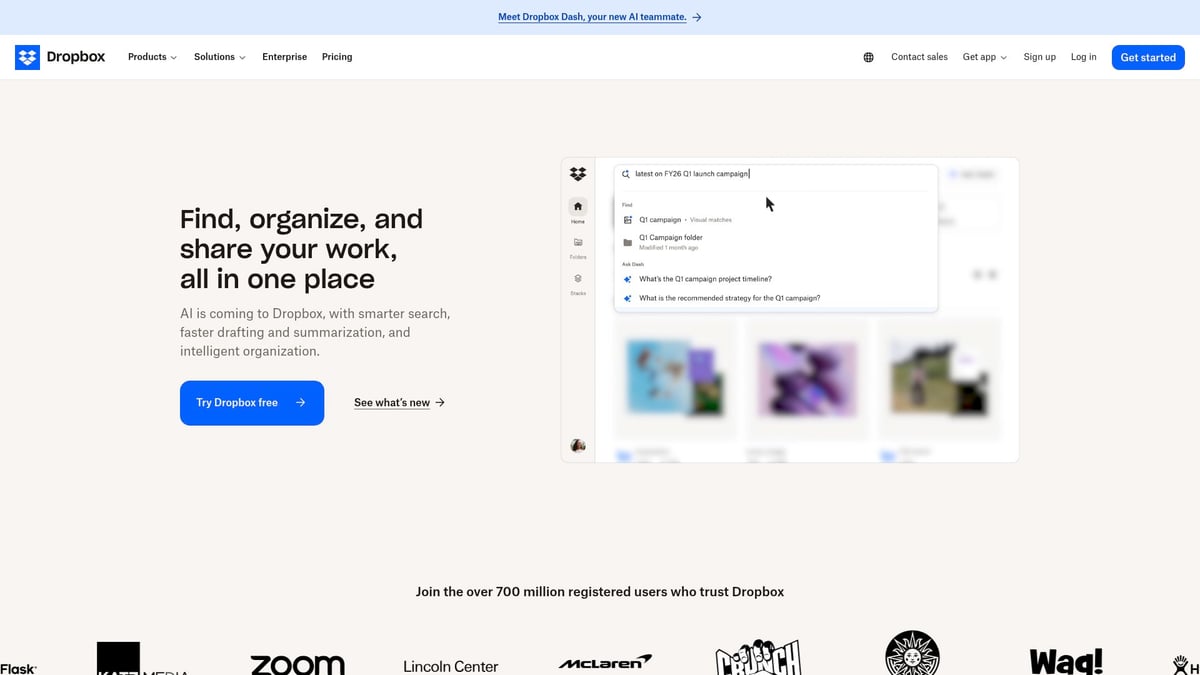
Key benefits include simple sharing, file recovery, and integrations across devices. Drawbacks are limited storage, lack of advanced VDR controls, and no self-hosting option. Dropbox is not suited for high-value or complex transactions but works well for straightforward document sharing.
Accountants, for example, rely on Dropbox to securely share year-end financial statements with clients, leveraging its free virtual data room capabilities for routine workflows.
Notion
Notion blends document creation, project management, and data room features into one flexible workspace. The free plan supports essential collaboration tools, shareable links, and drag-and-drop uploads. Paid upgrades unlock more users and features.
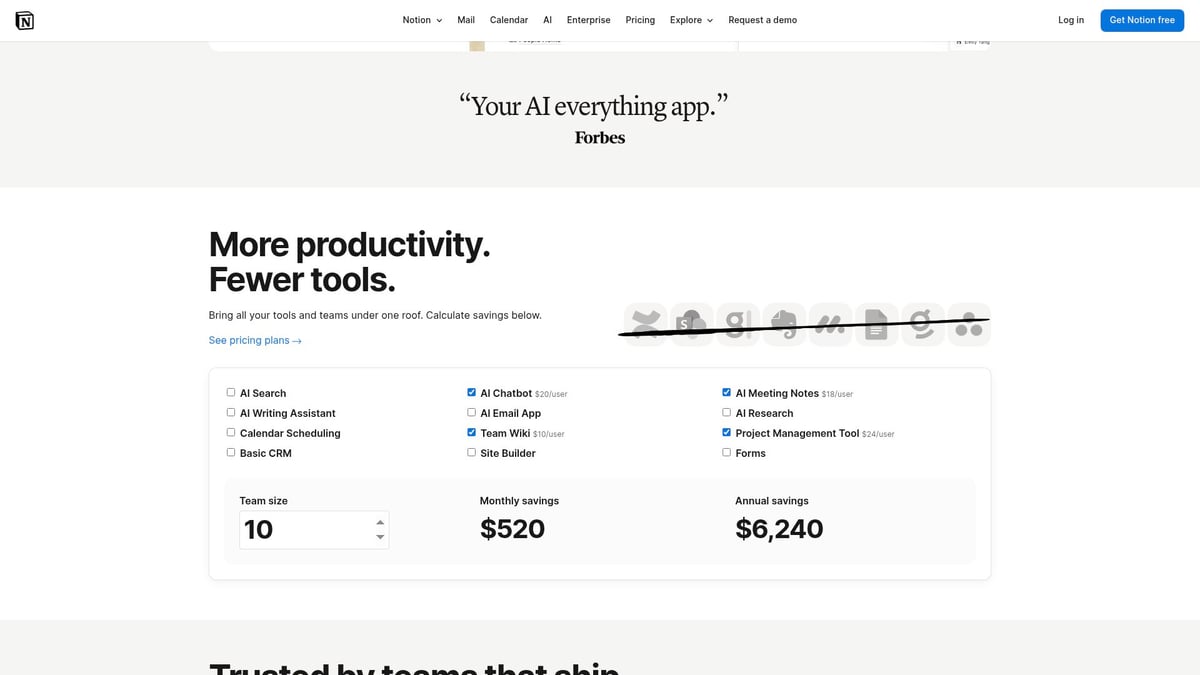
Notion is ideal for startups and project teams handling early-stage due diligence, where real-time collaboration is vital. Pros include high customizability and the ability to integrate notes and tasks with documents. Cons are the absence of specialized VDR security and its unsuitability for high-stakes M&A.
Founders often manage investor Q&A and data requests in Notion, making it a creative free virtual data room alternative for simple, collaborative projects.
Pros and Cons of Free Virtual Data Room Solutions
Choosing the right free virtual data room can be a turning point for startups and lower-middle market businesses managing confidential documents. Understanding both the advantages and limitations helps ensure your data stays secure while supporting business growth. Below, we break down the key pros and cons to help you make an informed decision and know when to consider an upgrade.
Advantages
Free virtual data room platforms offer several benefits, especially for organizations with limited budgets or straightforward deal requirements.
- Cost savings: No upfront fees help startups and smaller firms allocate resources more efficiently.
- Quick setup: Most free platforms have simple onboarding, allowing teams to start sharing documents in minutes.
- Adequate security: Essential features like basic encryption and permission controls protect sensitive files.
- Collaboration: Real-time sharing and editing streamline communication among deal participants.
- Flexibility: Test multiple providers before committing to a long-term solution.
For example, a business owner comparing Papermark and Box before a fundraising round can quickly evaluate which free virtual data room aligns best with their workflow and security needs.
Disadvantages
Despite these benefits, free virtual data room solutions come with notable limitations.
- Limited storage and users: Free plans often cap data room size and user seats, restricting scalability for larger projects.
- Reduced support: Response times may be slower, and live help is often unavailable.
- Compliance gaps: Many free VDRs lack the certifications required for regulated industries.
- Security trade-offs: Advanced features such as watermarking and detailed audit logs may be missing.
To better understand these drawbacks, review the Limitations of Free Virtual Data Rooms for an in-depth analysis. For instance, a seller may find Dropbox sufficient for early document sharing but need to upgrade to FirmRoom for a larger M&A deal requiring more robust controls.
When to Choose a Paid or Enterprise VDR
There are clear indicators when a business should move beyond a free virtual data room.
- Complex transactions: High-value or multi-party deals require advanced permissioning and analytics.
- Regulatory compliance: Industries with strict data regulations demand VDRs with SOC2 or GDPR certifications.
- Scalability: Managing large user groups or multiple simultaneous deals often necessitates enterprise features.
- Enhanced security: More sensitive data calls for watermarking, detailed audit trails, and priority support.
Upgrading unlocks benefits such as deeper analytics, white-labeling, and seamless integration with business tools. For a private equity firm starting with Google Drive, transitioning to Aligned IQ VDR for a confidential acquisition provides a secure, proprietary environment that traditional platforms cannot match. For a comprehensive overview, see this Comparison of Free and Paid Virtual Data Rooms.
Frequently Asked Questions About Free Virtual Data Rooms
Businesses considering a free virtual data room often have questions about security, features, and the right fit for their workflow. Here are the answers to the most common questions lower-middle market teams and advisors ask.
-
What are the core differences between free and paid VDRs?
Free virtual data room solutions typically offer basic storage, limited user seats, and essential security controls. Paid options add advanced features such as watermarking, full audit trails, and priority support. -
Can free virtual data rooms handle confidential M&A transactions securely?
For straightforward lower-middle market deals, a free virtual data room can provide adequate encryption and access controls. However, highly regulated or complex transactions may require paid, enterprise-grade security. -
How do free virtual data rooms manage user permissions and document access?
Most platforms allow you to set view, download, or edit permissions per user or group. It is important to verify these settings before sharing sensitive documents. -
What are the risks associated with using free data room solutions?
Risks include storage caps, fewer compliance certifications, basic support, and less granular security controls. Always assess whether your deal warrants an upgrade. -
Are there any open source VDRs for self-hosting?
Yes, certain providers like Papermark offer open source versions, giving businesses full control and transparency for their free virtual data room needs. -
How easy is it to migrate from a free to a paid VDR?
Most VDRs allow seamless migration, exporting documents and permissions directly to a paid plan. Always back up your data before transitioning. -
Which free VDR is best for lower-middle market M&A?
Aligned IQ stands out for confidential, low-risk exits and strategic-fit-first deals. For more on tailored approaches, see Lower-middle market M&A strategies. -
How do collaboration features differ across providers?
Some VDRs focus on real-time editing and chat, while others specialize in document tracking or analytics. Choose based on your team's workflow and deal complexity. -
Can I use multiple free VDRs for different projects?
Yes, many lower-middle market advisors use more than one free virtual data room to compare features or segment deals by type. -
What should I consider before sharing sensitive documents on a free platform?
Review security settings, confirm audit logs are active, and ensure your process aligns with pre-sale due diligence best practices.After exploring the top free virtual data room options for 2026, you can see just how much value is available—whether you’re a business owner preparing for a discreet sale, an advisor guiding clients through due diligence, or a buyer looking for secure and efficient collaboration. If you’re eager to experience firsthand how the right VDR can simplify your next deal and keep your sensitive documents protected, I invite you to see these features in action. Ready to find the perfect fit for your M A goals? Take a Tour!
No responses yet