

The M&A landscape is changing quickly as digital transformation reshapes how deals are found and closed. Today, the right deal platform can offer business buyers and sellers a secure, confidential path to connect and transact, especially in the lower-middle market.
Navigating the modern deal platform ecosystem is complex, but it brings new opportunities and efficiencies. Whether you are a business owner considering an exit, an investor seeking growth, or an intermediary, understanding how to use a deal platform is now essential.
This guide will give you step-by-step clarity, practical examples, and proven strategies to help you select, set up, and master your deal platform. You will learn the fundamentals, how to choose the right tool, best practices for setup, and what trends to watch. Ready to get started? Take a Tour and unlock your deal platform advantage.
Understanding Deal Platforms: What They Are & Why They Matter
The world of mergers and acquisitions has changed dramatically in recent years. A deal platform is now at the center of this shift, making transactions faster, more secure, and more accessible for buyers and sellers. Let’s explore how these platforms have evolved, their essential features, and who stands to benefit the most.

The Evolution of Deal Platforms
Deal platform technology has transformed how lower-middle market businesses approach M&A. Historically, transactions relied on in-person meetings, physical data rooms, and lengthy paper trails. Today, digital-first deal platform solutions have replaced these manual processes with secure online environments.
Key milestones include the introduction of virtual deal rooms, automated compliance checks, and, more recently, AI-powered matchmaking. Since 2021, online deal volume has grown by nearly 40 percent, indicating a clear move toward digital dealmaking. Buyers and sellers now benefit from increased transparency, reduced transaction times, and enhanced confidentiality.
For business buyers, platforms like Aligned IQ offer proprietary deal sourcing advantages that minimize risk and protect sensitive information. For more on these benefits, see Sourcing Deals on Web Platforms.
Core Features and Functions
A modern deal platform comes packed with tools designed to streamline every stage of the transaction. Secure data rooms protect confidential documents, while robust document management systems keep files organized and accessible. Automated due diligence workflows reduce manual effort and help prevent errors.
Communication tools, such as integrated messaging and negotiation channels, foster real-time collaboration among stakeholders. Advanced analytics dashboards provide visibility into deal status, progress, and bottlenecks. Integrated compliance checks further ensure that regulatory requirements are met efficiently, reducing the risk of costly delays or mistakes.
These features combine to create a seamless, secure, and user-friendly experience for all parties involved in the M&A process.
Who Uses Deal Platforms?
A deal platform is not just for large corporations. In fact, private business owners exploring an exit, corporate buyers, private equity firms, and family offices increasingly rely on these platforms for efficient deal sourcing and execution. M&A advisors and brokers also use deal platform tools to connect clients with the right opportunities and manage transactions securely.
Recent data shows that 60 percent of lower-middle market deals now begin online, highlighting the mainstream adoption of digital M&A solutions. The appeal lies in confidentiality, ease of use, and the ability to manage deals from anywhere, making these platforms essential for anyone navigating today’s competitive market.
Step 1: Evaluating Your Needs & Setting Objectives
Before you select a deal platform, it is critical to define what you want to achieve. This first step lays the foundation for a successful, efficient, and confidential experience. With the right approach, you can ensure your objectives, resources, and expectations are aligned, minimizing risk and maximizing the value of your transactions.

Assessing Your Deal Goals
Begin by clearly identifying your primary objectives for using a deal platform. Are you planning to acquire a business, explore a strategic partnership, or prepare for a confidential sale? Your goals will shape every other decision in the process.
For example, strategic buyers may prioritize long-term synergies and integration, while financial buyers often focus on return on investment and speed. Consider your timeline and urgency. Are you looking for a quick close, or is a methodical, low-risk process more important?
If you are unsure where to start, explore resources like Choosing Deal Sourcing Platforms to compare options and clarify your direction.
Identifying Key Stakeholders & Resources
Next, map out everyone involved in your deal platform journey. This usually includes business owners, legal counsel, financial advisors, and sometimes outside consultants. Each participant will have a distinct role.
Budgeting is essential. Most deal platforms charge subscription, per-deal, or success-based fees. Lower-middle-market transactions often see fees ranging from a few thousand to tens of thousands, depending on complexity and support needs.
| Stakeholder | Role |
|---|---|
| Owner/Principal | Decision-making, oversight |
| Legal Advisor | Compliance, documentation |
| Financial Advisor | Valuation, analysis |
| Platform Support | Technical, onboarding |
Allocate resources for both platform costs and internal support to avoid bottlenecks.
Determining Deal Size, Industry, and Complexity
Your choice of deal platform should match the scale and specifics of your transaction. Smaller, owner-led exits in manufacturing may require different features from a highly regulated healthcare deal.
Consider industry-specific compliance requirements. For instance, healthcare deals often demand HIPAA-compliant data rooms, while manufacturing may focus on intellectual property protection.
Assess the complexity of your deal. Proprietary or semi-proprietary platforms like Aligned IQ offer confidential, secure environments tailored to these needs, reducing risk compared to traditional M&A processes.
Setting Success Metrics
Define what success looks like for your deal platform experience. Establish KPIs such as:
- Speed to close
- Deal value achieved
- Confidentiality maintained
- User satisfaction
Setting clear metrics will help you monitor progress and adjust your strategy as you move forward.
Step 2: Choosing the Right Deal Platform
Selecting the right deal platform can determine the success or failure of your transaction. With so many options available, a thoughtful approach is essential for business owners, buyers, and intermediaries. The right platform will streamline processes, safeguard your data, and boost your confidence at every step.

Key Criteria for Platform Selection
When evaluating a deal platform, prioritize robust security certifications such as SOC 2 and ISO 27001. A user-friendly interface is essential, especially for those new to digital dealmaking. Seamless integration with existing tools, like CRM systems or analytics dashboards, can boost efficiency and reduce manual work.
| Criteria | Importance | Example |
|---|---|---|
| Security | Critical | SOC 2, ISO 27001 |
| Usability | High | Intuitive dashboard |
| Integration | High | Connects with CRM, analytics |
| Support | Essential | 24/7 help desk |
Consider how platforms like Aligned IQ offer proprietary and semi-proprietary deal access for buyers, while providing sellers with a confidential, secure alternative to the traditional M&A process. For more on aligning platform features with acquisition goals, see Business Acquisition Strategies for 2025.
Platform Types: Generalist vs. Industry-Specific
Generalist deal platform options cater to a wide array of industries, offering flexibility but sometimes lacking sector-specific tools. Industry-centric platforms, on the other hand, often deliver higher match rates and tailored compliance features.
Pros and Cons:
- Generalist Platforms: Broader reach, but may lack niche expertise.
- Industry-Specific Platforms: Deeper industry features, often better compliance fit.
A recent case study in the lower-middle market showed industry-focused platforms achieving 15% higher match rates. In fact, 70% of users now prefer a deal platform tailored to their sector.
Pricing Models & Contracts
Understanding pricing is crucial when selecting a deal platform. Common models include subscription, per-deal, and success-fee structures. Each has implications for budgeting and risk.
| Model | Pros | Cons |
|---|---|---|
| Subscription | Predictable costs | May pay for unused features |
| Per-Deal | Pay as you go | Can be costly for frequent users |
| Success-Fee | Aligned incentives | Higher fees if deals close |
Be alert for hidden costs, such as extra storage or user fees. Compare annual contracts to transactional pricing to see what fits your needs best.
Demoing and Testing Platforms
Before committing, demo several deal platform options. Take advantage of free trials or pilot programs to assess fit. Use a checklist to evaluate:
- Onboarding process
- User experience
- Support responsiveness
A well-structured demo can reveal whether the platform’s tools and workflows align with your objectives. Always ask for a “Take a Tour” to see the platform in action.
Step 3: Setting Up for Success—Onboarding & First Steps
Getting started with a deal platform is more than just logging in. The right onboarding process sets the stage for secure, efficient, and confidential transactions. This step-by-step approach helps both buyers and sellers, particularly in the lower-middle market, experience a seamless transition from traditional M&A to a modern, proprietary environment.
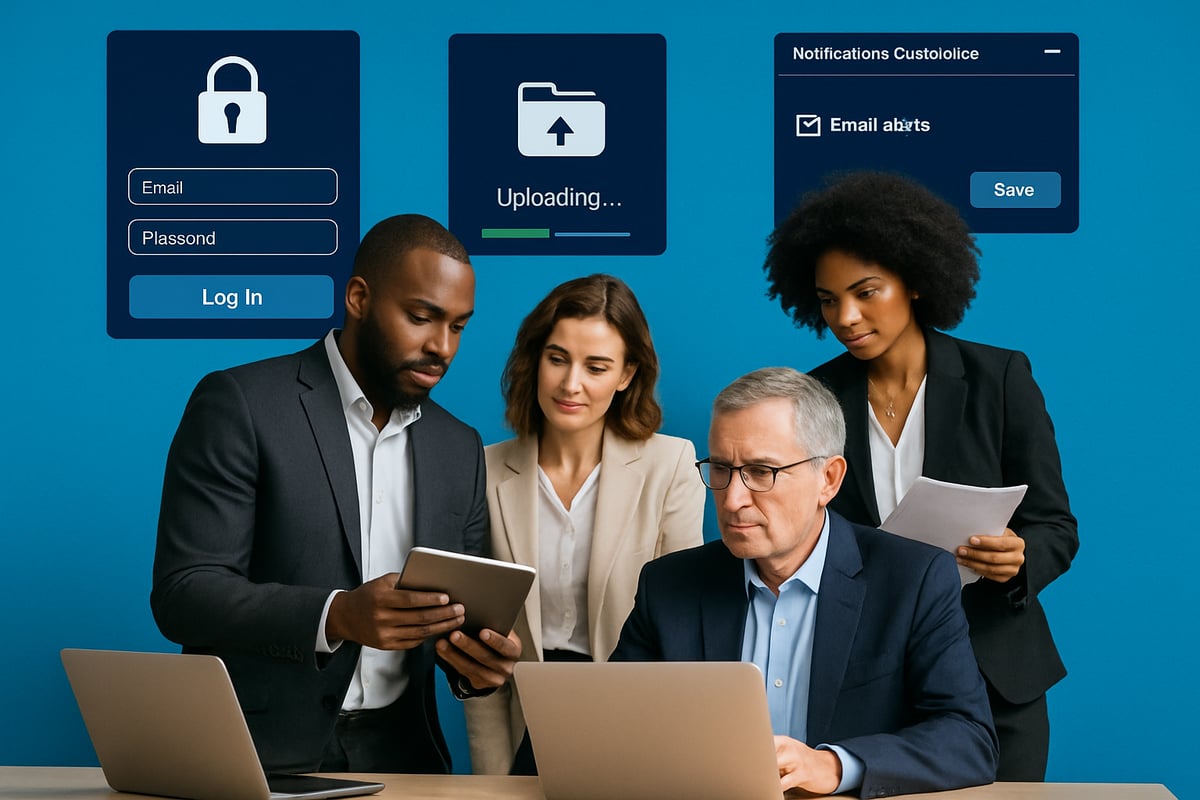
User Registration and Verification
The first step in using a deal platform is user registration, which prioritizes both security and confidentiality. Some platforms require users to complete Know Your Customer (KYC) checks, verify their identities, and establish permissions based on their roles.
This process is especially important for business owners and buyers who value privacy. Unlike traditional M&A, Aligned IQ offers a proprietary onboarding system with multi-factor authentication, ensuring that only authorized participants access sensitive information. This approach minimizes risk and fosters trust from the outset.
For those interested in learning how proprietary onboarding differs from standard processes, Platform Acquisition Strategies provides further context on the benefits of secure, platform-driven M&A environments.
Uploading Documents & Data Room Setup
Once registered, organizing and uploading documents is essential for a smooth deal platform experience. Start by structuring your virtual data room with clear, logical folders—think financials, legal, operations, and HR.
Security is paramount. Use strong access controls and version management to ensure sensitive materials are only available to the right stakeholders. Audit trails track every action, providing transparency and reducing the risk of accidental disclosures.
Statistics show that nearly 80 percent of deal delays come from poor document management. Leveraging a deal platform’s automated tools for uploads and permissions can greatly streamline the process and help maintain confidentiality throughout the transaction.
Customizing Notifications and Communication Preferences
A deal platform’s notification system keeps all parties informed and aligned. Customize alerts for critical deal milestones, new messages, and document changes.
Integrate notifications with your preferred tools, such as email, Slack, or Teams, to centralize communication. Case studies demonstrate that real-time notifications can increase deal velocity and reduce response times.
By tailoring your communication preferences, you ensure that nothing important slips through the cracks. This proactive approach helps build momentum and keeps negotiations moving forward efficiently.
Training & Support Resources
Maximizing your deal platform’s potential means taking advantage of available training and support. Look for tutorials, live webinars, and responsive help desks.
Continuous education empowers users to adapt to new features and best practices, reducing errors and boosting confidence. Remember, a well-trained team is essential for a successful, secure transaction.
Step 4: Navigating the Deal Process on a Platform
Successfully guiding a transaction from sourcing to close requires a strong understanding of how to use a deal platform to its full advantage. By leveraging the right tools, business buyers and sellers can streamline every stage, from matching opportunities to final analytics. Let’s break down the essential steps to make your platform experience efficient, secure, and successful.
Deal Sourcing and Matchmaking
The core of any deal platform is its ability to match buyers and sellers efficiently. Today’s platforms use sophisticated algorithms, often powered by AI, to suggest relevant opportunities based on your sector, deal size, and preferences. For lower-middle market participants, this means access to a wider pool of confidential listings and vetted counterparties, reducing wasted time.
For example, Aligned IQ’s proprietary system helps business buyers find exclusive opportunities that rarely appear in traditional channels. According to Global M&A industry trends: 2025 outlook, digital dealmaking continues to accelerate, with platforms facilitating a growing share of transactions. Filtering tools ensure you see only the most relevant matches, increasing efficiency and confidentiality for all parties on the deal platform.
Confidentiality Management & NDAs
Maintaining confidentiality is a non-negotiable priority in M&A. A modern deal platform automates NDA workflows, allowing both sides to sign and track agreements digitally. Access controls can restrict sensitive information to only approved parties, ensuring compliance and minimizing risk.
On Aligned IQ, sellers benefit from a low-risk, secure process that differs from the traditional M&A approach. Automated confidentiality agreements reduce legal turnaround time, and digital audit trails document every action. This level of transparency and control is crucial for lower-middle market deals, where trust and discretion are paramount. A deal platform’s security features are essential to building confidence among both buyers and sellers.
Negotiation & Collaboration Tools
Negotiation in a deal platform environment is no longer limited to endless email threads. Instead, real-time chat, secure Q&A modules, and shared workspaces support seamless discussions. You can assign tasks, share documents, and track negotiation history, all within a confidential digital setting.
For intermediaries and business owners, these tools speed up the process and reduce the chance of miscommunication. Aligned IQ’s semi-proprietary collaboration suite is designed to foster trust and keep all parties aligned throughout the transaction. By centralizing communication, a deal platform helps avoid the pitfalls of fragmented conversations and lost information.
Tracking Progress & Analytics
Visibility is key to a successful transaction. A deal platform offers dashboards that display real-time status updates, pipeline health, and bottleneck analysis. Custom reporting features allow you to generate insights for stakeholders and monitor key milestones.
For lower-middle market deals, this level of transparency helps manage expectations and keeps everyone accountable. Aligned IQ’s analytics tools enable users to spot issues early and benchmark progress against industry standards. With a deal platform, you gain not only efficiency but also actionable intelligence to drive better outcomes.
Step 5: Best Practices & Common Pitfalls to Avoid
Navigating a deal platform successfully demands more than just technical know-how. To maximize results and minimize risks, it is vital to adopt proven best practices, foster trust, and recognize common pitfalls that can derail transactions in the lower-middle market. Let us break down the essentials for business buyers, sellers, and advisors.
Ensuring Data Security & Compliance
Security is the backbone of any reputable deal platform. Business sellers and buyers expect robust encryption, strict user access controls, and detailed audit logs. These tools protect sensitive financials and confidential information throughout the transaction.
Table: Key Risk Mitigation Steps
| Practice | Benefit |
|---|---|
| Data Encryption | Protects confidential files |
| Access Controls | Limits data exposure |
| Audit Trails | Tracks user activity |
| Compliance Monitoring | Meets industry regulations |
Platforms like Aligned IQ stand out by offering proprietary compliance workflows designed for low-risk, confidential transactions. They help users meet GDPR and CCPA standards, reducing exposure to regulatory penalties.
Fostering Transparency & Trust
Trust accelerates deal flow and increases close rates. A deal platform should promote clear communication, define user roles, and provide transparent disclosures at every stage. Setting expectations early, sharing milestones, and documenting key actions can prevent misunderstandings.
For business sellers, platforms like Aligned IQ offer semi-proprietary environments where confidential data remains protected from unnecessary exposure. Buyers benefit from real-time updates and secure Q&A features, which encourage open dialogue. According to industry insights, trust is a primary reason users adopt digital platforms over traditional M&A processes.
Establishing a transparent workflow not only builds confidence but also streamlines negotiations and reduces friction between parties.
Avoiding Common Mistakes
Even experienced teams can fall into traps when using a deal platform for the first time. Overloading the system with irrelevant documents, neglecting user onboarding, or skipping training can stall a transaction.
To avoid these setbacks, leverage platform tutorials and help desks, and benchmark your workflow against survey data. The 2025 M&A Barometer Survey Results highlight that preparedness and ongoing education are key drivers of successful deal platform adoption. Take a Tour of your chosen solution to ensure your team is ready before launching a live transaction.
Future Trends: What’s Next for Deal Platforms in 2025 and Beyond
Tomorrow’s deal platform is evolving quickly, reshaping how lower-middle market buyers and sellers connect and transact. Understanding these changes today can help you stay ahead, maximize value, and minimize risk in your next deal. Below, we break down the three most critical trends shaping the future of deal platforms.
AI, Automation, and Predictive Analytics
Artificial intelligence is transforming the deal platform landscape. Machine learning algorithms now drive smarter matchmaking, surfacing high-potential opportunities for business buyers and sellers. For example, predictive analytics can flag deals that match your criteria and signal risk factors early, reducing wasted time and resources.
Aligned IQ’s proprietary AI tools offer a confidential, low-risk experience, distinctly different from the traditional M&A process. These features automate repetitive tasks, enhance due diligence, and support secure decision-making. According to The top M&A trends for 2025, over 65% of deal platforms are investing in advanced AI to improve accuracy and speed. For lower-middle market deals, this means access to better matches and faster closings.
Enhanced User Experience & Personalization
User-centric design is now a baseline expectation for any modern deal platform. Customizable dashboards, adaptive workflows, and mobile access are enabling business owners and advisors to manage deals anywhere, anytime. Aligned IQ’s semi-proprietary interface prioritizes security, ease of use, and personalized notifications, which drive higher satisfaction and trust compared to more generic platforms.
Accessibility and personalized features are especially valuable for lower-middle market transactions, where resources may be limited. As platforms continue to evolve, expect more intuitive onboarding, tailored alerts, and real-time updates that empower users to make informed decisions with confidence.
Expanding Ecosystems and Integrations
The deal platform of the future is not a standalone tool. Instead, it is part of a broader ecosystem, seamlessly integrating with legal, financial, and compliance providers. Open APIs and robust partner networks offer users a single, secure environment for every stage of the transaction.
For sellers concerned about confidentiality, Aligned IQ’s secure integrations deliver a closed, low-risk experience that stands apart from traditional M&A processes. As more platforms embrace cross-platform collaboration and data sharing, lower-middle market participants will benefit from reduced friction and faster deal cycles. Ready to see these innovations in action? Take a Tour.
Now that you have a clear roadmap for navigating the world of deal platforms in 2025, why not see these concepts in action? Whether you are a business owner planning your next move or an investor looking for the right fit, firsthand experience makes all the difference. You will get a feel for intuitive onboarding, industry centric matchmaking, and the collaborative features that set Aligned IQ apart from traditional platforms. I encourage you to explore how this people and experience first approach can transform your M&A journey—Take a Tour!
No responses yet