

Finding the right commercial business for sale requires more than browsing listings and comparing price tags. In 2026, successful acquisitions depend on strategic alignment between buyers and sellers, comprehensive due diligence processes, and leveraging specialized platforms that prioritize fit over speed. Whether you're a business owner considering an exit or an acquirer seeking growth opportunities, understanding modern M&A dynamics can transform your transaction from a transactional event into a collaborative partnership that serves both parties' long-term objectives.
Understanding the Commercial Business for Sale Landscape
The market for commercial businesses has evolved significantly beyond traditional classified listings and broker networks. Today's environment features sophisticated matching algorithms, confidential deal-sourcing platforms, and data-driven approaches that connect buyers with sellers based on strategic criteria rather than simple availability.
Modern acquisition channels serve distinct purposes within the ecosystem. Public marketplaces like LoopNet traditionally focused on commercial real estate but expanded to include business opportunities, while specialized platforms like BusinessesForSale.com concentrate specifically on operating companies across various industries. Each channel presents different levels of exposure, confidentiality, and buyer qualification.
For sellers, the choice between public exposure and private, curated introductions significantly impacts deal quality and outcome. A typical scenario involves a business owner receiving dozens of inquiries from unqualified buyers through public listings, creating distraction and potential confidentiality breaches, versus carefully matched introductions with pre-qualified acquirers who demonstrate relevant industry experience and appropriate capital access.
The Strategic Fit Imperative
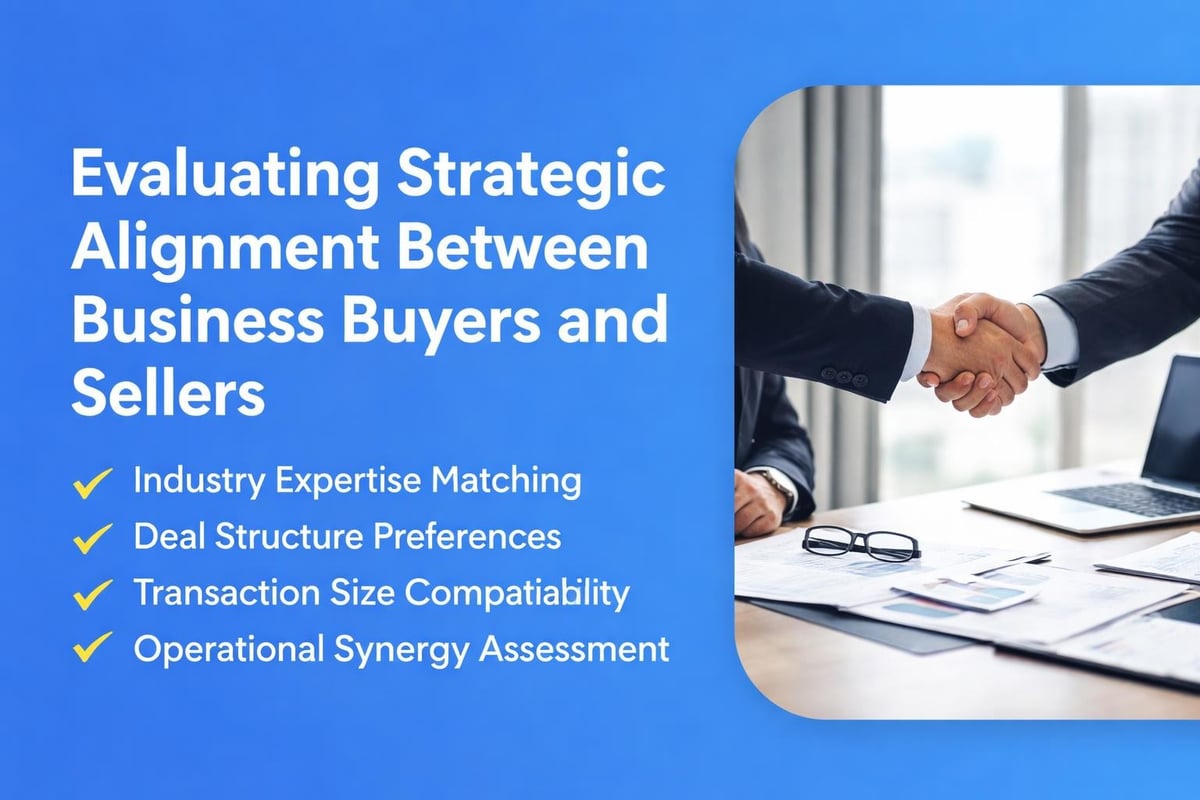
Strategic alignment determines transaction success more reliably than price optimization alone. When searching for a commercial business for sale, sophisticated buyers evaluate operational synergies, cultural compatibility, growth trajectory alignment, and post-acquisition integration feasibility before engaging in detailed financial analysis.
Key alignment factors include:
- Industry expertise and operational knowledge transfer capabilities
- Geographic market overlap or complementary expansion opportunities
- Customer base compatibility and cross-selling potential
- Technology infrastructure and systems integration requirements
- Management team retention and succession planning objectives
- Capital structure preferences and financing approach alignment
The traditional M&A process often postpones these strategic considerations until late-stage negotiations, after significant time and resources have been invested. Progressive platforms now prioritize strategic fit upfront, enabling both parties to assess compatibility before entering extensive due diligence periods.
Navigating Deal Sourcing Platforms
The proliferation of deal sourcing platforms has democratized access to acquisition opportunities while simultaneously creating challenges around deal quality and counterparty qualification. Not all platforms serve the same buyer or seller profiles, and understanding these distinctions prevents wasted effort and misaligned expectations.
| Platform Type | Primary Users | Confidentiality Level | Strategic Matching |
|---|---|---|---|
| Public Marketplaces | Brokers, Individual Buyers | Low | Minimal |
| Proprietary Networks | Qualified Buyers, Selective Sellers | High | Advanced |
| Industry-Specific Platforms | Sector Specialists | Medium | Moderate |
| Investment Banking Channels | Institutional Buyers, Large Sellers | High | Comprehensive |
Proprietary and semi-proprietary platforms offer distinct advantages for both buyers seeking quality deal flow and sellers prioritizing confidentiality. These networks typically require detailed qualification processes, verify financial capacity, and assess strategic criteria before granting access to listings or enabling introductions.
For business owners exploring exit options, platforms emphasizing strategic fit reduce the noise and distraction common in public marketplaces. A typical scenario might involve an owner receiving three highly qualified introductions from buyers with demonstrated industry expertise rather than fifty generic inquiries requiring individual screening and qualification.
Buyer Positioning and Differentiation
In competitive acquisition markets, buyers must distinguish themselves beyond capital availability. When pursuing a commercial business for sale, successful acquirers develop compelling positioning that demonstrates value creation capabilities, operational improvement expertise, and commitment to legacy preservation where appropriate.
Effective buyer positioning elements:
- Industry specialization documentation showing relevant sector experience and successful prior integrations
- Capital structure transparency clarifying funding sources, timeline flexibility, and earnout willingness
- Integration philosophy articulating approach to management retention, operational autonomy, and cultural preservation
- Value creation roadmap outlining post-acquisition growth strategies and resource commitments
- Reference network providing validation from previous sellers and industry participants
Platforms catering to lower middle-market PE firms and strategic acquirers increasingly enable buyers to create detailed profiles showcasing their acquisition thesis, preferred deal structures, and track record. This transparency benefits sellers evaluating potential partners and accelerates trust-building during initial conversations.
Due Diligence and Information Exchange
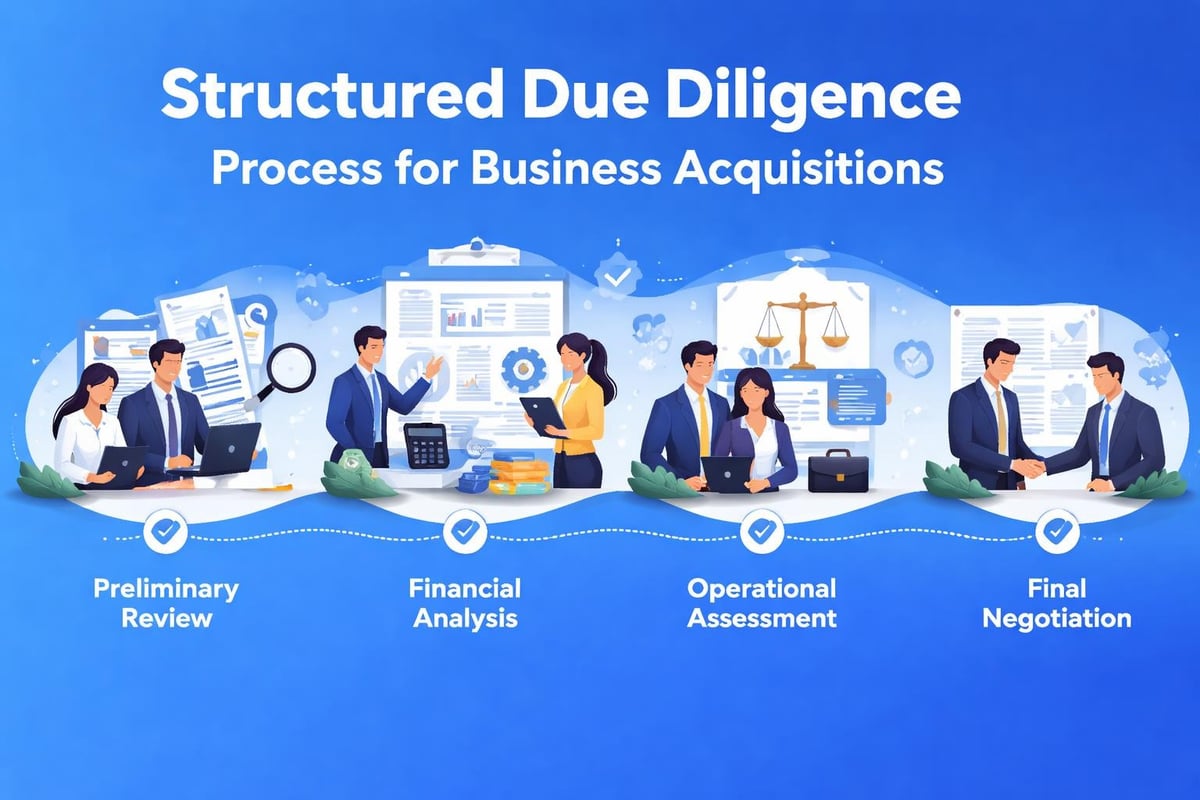
Once strategic alignment is confirmed and both parties commit to exploring a potential transaction, the due diligence phase determines whether initial assumptions hold under detailed scrutiny. The commercial business for sale process requires systematic information exchange while maintaining confidentiality and operational continuity.
Modern virtual data rooms have transformed this traditionally cumbersome process by providing secure, organized repositories for financial statements, contracts, employee records, customer data, intellectual property documentation, and operational metrics. The right technology infrastructure accelerates due diligence while maintaining audit trails and access controls.
Aligned IQ VDR: Purpose-Built for M&A Transactions
Aligned IQ VDR delivers enterprise-grade security and functionality specifically designed for lower middle-market transactions. Unlike generic file-sharing services or overpriced legacy providers, this solution balances robust capabilities with competitive pricing accessible to businesses across the valuation spectrum.
Core VDR capabilities include:
- Military-grade encryption protecting sensitive business information throughout the transaction lifecycle
- Granular permission controls enabling selective document access for different stakeholder groups
- Comprehensive activity tracking providing visibility into which parties review specific materials and when
- Intuitive organization structures mirroring traditional due diligence request lists for efficient navigation
- Mobile accessibility supporting review and collaboration regardless of participant location
For Aligned IQ M&A platform users, the VDR becomes complimentary after a successful match, eliminating a significant transaction cost and streamlining the transition from introduction to due diligence. Other buyers, sellers, M&A advisors, investment bankers, and intermediaries can access this same functionality at competitive pricing that reflects the lower middle-market reality rather than enterprise deal economics.
The Aligned IQ M&A Difference
Traditional methods for marketing a commercial business for sale often force owners to choose between broad exposure with limited control or exclusive broker relationships that may not access the optimal buyer universe. Aligned IQ M&A provides an alternative approach prioritizing strategic fit while maintaining confidentiality throughout the exploration process.
The platform's match-making methodology evaluates multiple dimensions simultaneously:
- Transaction size compatibility ensuring buyers have appropriate capital access and sellers meet minimum thresholds
- Industry expertise alignment matching buyers' operational knowledge with sellers' business sectors
- Deal structure preferences identifying compatibility on earnouts, seller financing, equity rollovers, and employment agreements
- Geographic considerations accounting for location preferences and operational presence requirements
- Timeline expectations synchronizing urgency levels and process preferences between counterparties
This multidimensional matching differs fundamentally from keyword searches or simple category browsing common on public marketplaces. By assessing compatibility across these criteria before facilitating introductions, the platform increases the probability that initial conversations lead to executable transactions rather than dead ends consuming valuable time and energy.
Platform Benefits for Business Sellers
Owners considering future exits face unique challenges in where to sell their business while maintaining operational focus and confidentiality. The Aligned IQ M&A platform addresses these concerns through its proprietary approach emphasizing low-risk exploration before commitment.
| Traditional Process | Aligned IQ M&A Approach |
|---|---|
| Public listing exposure | Private, curated introductions |
| Broker-driven timeline | Owner-controlled pacing |
| Generic buyer inquiries | Pre-qualified strategic matches |
| Upfront commitment required | Exploratory conversations enabled |
| Standard market process | Customized matching criteria |
Business owners can create confidential profiles specifying their ideal buyer characteristics, transaction preferences, and timeline expectations without triggering the market speculation and employee uncertainty that public sale processes often generate. This approach enables early-stage exploration of options while maintaining complete operational continuity and strategic flexibility.
The platform serves owners across the readiness spectrum, from those actively pursuing transactions to those exploring what eventually selling their business might look like years in the future. This long-term relationship building enables better matching when the timing aligns, as buyers and sellers develop familiarity over time rather than rushing through compressed timelines.
Advantages for Strategic and Financial Buyers
Acquirers seeking quality deal flow face increasing competition in identified opportunities while potentially missing excellent fits that never reach public markets. Understanding how to source deals effectively separates successful acquisition programs from those perpetually chasing picked-over opportunities.
Aligned IQ M&A provides buyers:
- Access to business owners not actively marketing to broader markets
- Ability to showcase acquisition capabilities and strategic fit proactively
- Pre-screened introductions based on meaningful compatibility criteria
- Confidential exploration before formal processes begin
- Platform for demonstrating value beyond purchase price
For private equity platforms executing buy-and-build strategies or strategic acquirers pursuing specific industry consolidation theses, the ability to identify compatible targets early and build relationships over time provides significant competitive advantage. The platform becomes a business development tool rather than merely a transaction sourcing channel.
Pricing and Valuation Considerations
Determining appropriate valuation for a commercial business for sale requires balancing objective financial metrics with subjective factors around growth potential, competitive positioning, and strategic value to specific acquirers. Market multiples provide starting points, but transaction-specific circumstances drive final pricing.
Common valuation methodologies include:
- EBITDA multiples varying by industry, growth rate, customer concentration, and competitive moat strength
- Discounted cash flow analysis projecting future performance and applying risk-adjusted discount rates
- Asset-based approaches for businesses with significant tangible property or inventory
- Comparable transaction analysis examining recent deals in similar sectors and size ranges
- Strategic premium calculations quantifying synergy value to specific acquirers
The gap between seller expectations and buyer offers frequently derives from differing assumptions about risk, growth trajectory, and required post-acquisition investment rather than fundamental valuation methodology disagreements. Early alignment on these assumptions through transparent discussion prevents wasted effort on transactions unlikely to reach mutually acceptable terms.
Structuring Beyond Purchase Price
Total consideration extends well beyond headline purchase price to encompass earnouts, employment agreements, seller financing, equity rollovers, and assumption of liabilities. Creative structuring often bridges valuation gaps while aligning incentives for post-closing success.
A typical scenario might involve a base purchase price at closing, a two-year earnout tied to revenue or EBITDA targets, a consulting agreement providing transition support, and seller financing for a portion of the purchase price. This structure addresses buyer concerns about performance continuity while enabling sellers to capture upside if growth projections materialize.
The commercial business for sale market increasingly favors flexible structures over all-cash transactions, particularly in the lower middle market where buyer financing constraints and seller tax planning objectives create mutual benefits from creative deal architecture. Platforms facilitating early discussion of these preferences before formal negotiations begin reduce friction and accelerate path to closing.

Role of M&A Service Providers
Professional intermediaries including M&A advisors, investment bankers, business brokers, accountants, and attorneys play crucial roles throughout the transaction lifecycle. Their expertise in valuation, negotiation, due diligence coordination, and legal documentation often determines whether complex deals successfully close.
For sellers navigating how to sell a business, engaging appropriate advisory support provides objectivity and process discipline that owner-direct sales may lack. Advisors also access specialized buyer networks and bring transaction experience that prevents common pitfalls derailing inexperienced sellers.
The Aligned IQ ecosystem enables M&A service providers to participate through sell-side referral compensation and professional services showcase opportunities. This integration recognizes that many successful transactions benefit from professional guidance while ensuring advisors can monetize their expertise and market knowledge appropriately.
Selecting the Right Advisory Team
Not all intermediaries serve all transaction types effectively. Business brokers typically focus on smaller deals with individual buyers, while investment bankers concentrate on larger transactions attracting institutional capital. M&A advisors occupy the middle ground, often serving lower middle-market deals with strategic or financial buyers.
Advisor selection criteria should include:
- Relevant industry experience and demonstrated transaction history in your sector
- Appropriate deal size specialization matching your business valuation
- Fee structure transparency including retainers, success fees, and milestone payments
- Professional credentials such as FINRA licensing, CPA certification, or legal bar membership
- Cultural compatibility and communication style alignment with your preferences
- Reference availability from previous clients in similar situations
The commercial business for sale process benefits from advisor involvement when complexity warrants professional guidance, but smaller transactions may succeed through owner-direct negotiations facilitated by matching platforms that handle initial connection and qualification.
Technology Infrastructure for Modern M&A
Beyond matching platforms and virtual data rooms, successful transactions increasingly rely on specialized technology supporting financial modeling, contract management, communication coordination, and post-closing integration planning. The right infrastructure reduces friction and accelerates timeline while maintaining security and confidentiality.
For businesses evaluating different data room providers, functionality comparison should assess security certifications, user interface intuitiveness, customer support responsiveness, pricing transparency, and integration capabilities with other transaction tools. Enterprise solutions designed for multi-billion dollar deals often provide unnecessary complexity and cost for lower middle-market transactions.
The competitive landscape includes legacy providers charging premium pricing based on historical market dominance, newer entrants offering stripped-down functionality at low price points, and purpose-built solutions balancing comprehensive capabilities with accessible pricing. Making informed decisions requires understanding actual usage requirements rather than selecting based on brand recognition or lowest initial cost.
Integration Planning and Execution
Transaction closing represents a beginning rather than an ending, as post-acquisition integration determines whether projected synergies and value creation materialize. Successful acquirers begin integration planning during due diligence rather than waiting until ownership transfers.
Critical integration workstreams typically include:
- Systems and technology consolidating or interfacing accounting, CRM, operations, and communication platforms
- Customer communication explaining ownership transition and ensuring continuity in relationships and service
- Employee integration addressing cultural alignment, compensation harmonization, and organizational structure
- Supplier and vendor management renegotiating contracts and optimizing procurement where appropriate
- Product and service rationalization determining portfolio optimization and go-to-market strategy alignment
The commercial business for sale process should incorporate integration considerations into deal structure and timeline planning, as aggressive synergy assumptions requiring rapid integration may conflict with earnout provisions incentivizing business continuity. Transparent discussion of these dynamics during negotiation prevents post-closing friction.
Market Trends Shaping 2026 Acquisitions
Several macroeconomic and industry-specific factors influence the current environment for buying and selling commercial businesses. Interest rate levels affect acquisition financing costs and required returns, economic growth projections impact valuation multiples, and demographic trends drive ownership transition volume.
Baby boomer retirements continue driving substantial business ownership transitions, creating acquisition opportunities across industries as founders reach exit age without succession plans. According to various industry analyses, this demographic wave will influence deal volume throughout the remainder of this decade.
Technology adoption acceleration across traditional industries creates both opportunities and challenges. Businesses demonstrating digital transformation progress command premium valuations, while those lagging face strategic buyer discount or limited interest. This dynamic particularly affects sectors historically resistant to technology investment, where acquisition can provide the capital and expertise required for modernization.
Confidentiality and Discretion in Deal Marketing
Business owners exploring exit options understandably prioritize confidentiality to prevent employee uncertainty, customer concern, supplier relationship disruption, and competitive intelligence gathering. Traditional marketing approaches through public listings or broad broker distribution necessarily compromise privacy in exchange for market exposure.
The proprietary and semi-proprietary nature of platforms like Aligned IQ M&A addresses this tension by enabling exploration without broad market notification. Owners can engage in preliminary conversations with qualified, matched buyers while maintaining complete operational continuity and strategic flexibility. This low-risk approach serves those uncertain about timing or terms but open to the right opportunity.
For businesses where employee retention, customer relationships, or competitive positioning depend heavily on stability perception, confidential exploration through matched introductions may represent the only viable path to monetizing ownership value without operational disruption during the marketing period.
Evaluating Platform Fit for Your Situation
Not every commercial business for sale benefits equally from different marketing channels and transaction platforms. Determining optimal approach requires honest assessment of business characteristics, owner objectives, timeline flexibility, and resource availability for managing the sale process.
Platform selection should consider:
| Factor | Public Marketplace | Proprietary Platform | Exclusive Broker |
|---|---|---|---|
| Confidentiality Level | Low | High | Medium-High |
| Buyer Qualification | Minimal | Comprehensive | Variable |
| Strategic Matching | Limited | Advanced | Advisor-Dependent |
| Owner Control | High | High | Medium |
| Professional Support | Self-Service | Integrated | Full-Service |
Businesses with straightforward operations, established customer bases, and strong financial performance may succeed through multiple channels, while those requiring sophisticated buyers with specific industry expertise benefit from platforms emphasizing strategic matching and qualification. Similarly, owners comfortable managing direct negotiations differ from those preferring comprehensive advisory support throughout the process.
The Aligned IQ M&A approach serves owners prioritizing strategic fit and cultural alignment over transaction speed, those seeking to explore options without commitment, and buyers investing in long-term relationship building with potential acquisition targets rather than opportunistic deal chasing.
Resources like Business News Daily’s platform reviews provide comparative perspectives on different marketplace options, while specialized guides on selling businesses and commercial properties offer process insights applicable across transaction types. Thorough research prevents false starts and aligns approach with objectives.
Building Your Acquisition or Exit Strategy
Whether pursuing growth through acquisition or planning eventual business exit, strategic planning significantly improves outcomes compared to reactive, opportunistic approaches. Successful buyers develop clear acquisition criteria and systematic sourcing processes, while effective sellers prepare businesses for transition years before engaging markets.
Buyer preparation activities include:
- Defining ideal target characteristics across industry, size, geography, and strategic fit dimensions
- Securing financing commitments or capital access before pursuing specific opportunities
- Building integration playbooks based on prior experience or industry best practices
- Developing positioning materials showcasing acquisition capabilities and value creation approach
- Establishing relationships with deal sources including platforms, advisors, and industry networks
For sellers, preparation encompasses financial record cleaning, customer concentration reduction, management team development, systems documentation, and legal/regulatory compliance verification. These investments increase business attractiveness and reduce due diligence friction while potentially improving ongoing operations independent of transaction outcomes.
The commercial business for sale market rewards preparation over improvisation, as buyers and sellers entering processes without clear objectives and proper groundwork experience extended timelines, pricing compression, and increased risk of transaction failure after significant investment of time and resources.
Successfully navigating the commercial business for sale landscape in 2026 requires strategic thinking beyond traditional transaction mechanics, emphasizing alignment between buyer capabilities and seller objectives while leveraging modern platforms that prioritize fit over simple availability. Whether you're a business owner exploring future exit options or an acquirer seeking growth opportunities, Aligned IQ provides the proprietary matching technology and secure infrastructure to facilitate confidential exploration and eventual transaction execution. Take a Tour to discover how strategic alignment transforms M&A into collaborative partnership rather than adversarial negotiation.
No responses yet