

In 2025, mergers and acquisitions advisory is more vital than ever for lower-middle-market business owners. The stakes are high, with shifting regulations and fierce competition shaping every deal.
This essential guide breaks down the mergers and acquisitions advisory process so you can navigate, evaluate, and maximize value in every transaction. Whether you are buying, selling, or planning for the future, you will find practical strategies and expert insights tailored for today’s market.
Discover what sets top advisors apart, learn how to avoid common pitfalls, and get ahead of emerging trends. Ready to make the right move? Take a Tour and see how confidential, relationship-driven advisory can transform your M&A journey.
Understanding Mergers and Acquisitions Advisory
Navigating the world of mergers and acquisitions advisory can be daunting for business owners and executives. At its core, mergers and acquisitions advisory refers to professional services designed to guide clients through buying, selling, merging, or restructuring companies. These firms act as trusted partners, offering strategic advice and hands-on support throughout each phase of a transaction.
The landscape is vast, with thousands of firms in the US alone competing for a share of a multi-trillion dollar market. M&A advisors are distinct from investment banks and other intermediaries. While investment banks typically focus on larger, complex deals, many mergers and acquisitions advisory firms specialize in the lower-middle market, serving entrepreneurs and private business owners. Clients range from acquirers and sellers to private equity groups and corporations. Fee models can include commission-based, retainer, or hybrid structures, allowing flexibility for different deal sizes and client needs.

What Is M&A Advisory?
Mergers and acquisitions advisory firms provide specialized guidance for business owners, buyers, and investors aiming to complete successful transactions. Their primary functions include market analysis, valuation, deal structuring, and negotiation support. Unlike investment banks, which often handle billion-dollar deals, many advisory firms operate in the lower-middle market, delivering tailored services for smaller businesses.
Clients turn to mergers and acquisitions advisory firms for a range of needs, from sourcing buyers to navigating complex divestitures. Advisors can represent the buy-side or sell-side, and their compensation usually blends a retainer with a success fee. With thousands of firms in the US, competition drives innovation and personalized service, especially for private business owners seeking low-risk, confidential solutions.
Key Roles and Responsibilities of M&A Advisors
Mergers and acquisitions advisory professionals wear many hats throughout the deal process. Their roles include:
- Providing strategic advice on deal sourcing and valuation.
- Preparing marketing materials such as teasers, pitch books, and confidential information memorandums.
- Leading due diligence and coordinating legal, financial, and operational experts.
- Supporting negotiation, drafting Letters of Intent, and facilitating closing logistics.
- Advising on post-merger integration to maximize long-term value.
A strong advisory team often draws on proprietary networks, unlocking off-market opportunities and offering deep market insights. Their relationships can connect business owners with vetted buyers or sellers globally. For a deeper look at how to build an effective team, see Assembling your M&A team.
| Role | Responsibility | Example Benefit |
|---|---|---|
| Lead Advisor | Deal strategy, negotiation | Maximizes price and terms |
| Financial Analyst | Valuation, modeling | Accurate, realistic company value |
| Due Diligence Manager | Coordinates third-party experts | Reduces risk of surprises |
| Integration Specialist | Post-merger planning | Smooth transition and value realization |
These experts ensure mergers and acquisitions advisory engagements run efficiently, reducing risk and increasing the odds of a successful outcome.
Types of M&A Transactions Supported
Mergers and acquisitions advisory firms support a wide range of transaction types, including mergers, acquisitions, divestitures, joint ventures, and recapitalizations. Advisors distinguish between buy-side (representing acquirers) and sell-side (representing sellers) engagements, tailoring their approach to client goals.
Industry expertise is critical, especially in sectors with unique regulatory environments or technical complexities. Cross-border transactions require advisors with international knowledge and networks to navigate different legal systems and cultural expectations. Boutique advisory firms typically handle lower and mid-market deals, offering personalized attention, while larger investment banks focus on high-value transactions.
For private business owners and buyers, modern platforms like Aligned IQ provide confidential, secure introductions, emphasizing strategic fit and reducing the risks associated with traditional processes. This approach is reshaping the future of mergers and acquisitions advisory for the lower-middle market.
The M&A Advisory Process: Step-by-Step in 2025
Navigating the mergers and acquisitions advisory process requires clarity, structure, and expert insight at every stage. For business owners and buyers in the lower-middle market, understanding each phase helps unlock better outcomes and reduces risks. Below, we break down the core steps of a modern M&A advisory engagement.

1. Strategy Development and Deal Origination
The first step in mergers and acquisitions advisory is defining clear objectives. Advisors work with clients to understand their growth vision, risk tolerance, and preferred deal types. This involves deep market research, mapping potential buyers or targets, and building longlists and shortlists.
For lower-middle-market sellers, confidentiality is crucial. Platforms like Aligned IQ enable secure introductions without exposing business details too early. Human capital is a growing focus: 91 percent of acquirers now consider talent needs at this stage, ensuring strategic fit before proceeding.
Advisors’ proprietary databases and networks help uncover off-market opportunities, giving clients a competitive edge. Early alignment between strategy and market realities sets the foundation for a successful outcome.
2. Valuation and Marketing Preparation
Once targets or buyers are identified, mergers and acquisitions advisory teams conduct detailed financial modeling and company valuations. This step leverages proprietary data, industry multiples, and benchmarking to estimate fair market value.
Advisors then prepare investment memorandums, pitch decks, and teasers tailored for the right audience. Quality marketing materials attract serious, vetted buyers and enhance credibility.
In the lower-middle market, advisors may use semi-proprietary platforms to present opportunities confidentially. Compared to the Traditional sell-side M&A process, newer models like Aligned IQ offer sellers more control over who sees their information, reducing upfront risks and improving transparency.
Effective valuation and marketing preparation ensure that businesses are positioned optimally for negotiation.
3. Due Diligence and Risk Assessment
During due diligence, mergers and acquisitions advisory experts coordinate thorough financial, legal, and operational reviews. They engage third-party specialists to examine everything from contracts to compliance.
A unique challenge in this stage is assessing human capital and culture fit. Mercer reports that if people risks are ignored, 40 percent of key talent may leave within 18 to 24 months post-close. Advisors who prioritize talent retention and cultural integration help protect deal value.
For lower-middle-market deals, due diligence often balances rigor with confidentiality. Advisors act as gatekeepers, ensuring sensitive information is only shared with serious, pre-qualified parties.
Identifying risks and potential synergies early allows for proactive problem-solving and strengthens deal confidence for all parties.
4. Negotiation, Structuring, and Closing
The final stage of mergers and acquisitions advisory involves negotiating deal terms such as price, structure, and contingencies. Advisors guide clients through crafting Letters of Intent (LOIs) and Sale & Purchase Agreements (SPAs), ensuring alignment on key points.
Expert negotiation can significantly increase value and reduce post-deal surprises. Advisors also coordinate closing logistics, manage regulatory filings, and facilitate final approvals.
In the lower-middle market, platforms like Aligned IQ help streamline this process by ensuring both sides are strategically aligned before deep negotiations begin. This reduces wasted time and fosters trust.
A smooth close, supported by experienced advisors, sets the stage for successful integration and long-term value creation.
Value Drivers and Benefits of M&A Advisory Services
Navigating the world of mergers and acquisitions advisory can unlock significant advantages for both buyers and sellers, especially in the lower-middle market. Expert advisors do more than facilitate transactions; they deliver strategic value, reduce risk, and drive successful outcomes. Below, we break down the critical value drivers that set professional advisory services apart.
Expertise and Market Insights
Mergers and acquisitions advisory firms bring deep industry expertise and access to proprietary research, which is crucial for accurate valuations and competitive deal positioning. Advisors leverage financial modeling, sector benchmarks, and private market data to deliver realistic assessments and uncover hidden value.
Their ability to navigate valuation challenges is especially important in the lower-middle market, where data is less transparent. For example, large advisory firms invest millions in research tools, while platforms like Aligned IQ provide private business owners with a secure, low-risk environment for exploring opportunities. For a deeper dive into valuation strategies used by advisors, see Bridging valuation gaps in M&A.
Network and Industry Relationships
A powerful network is a cornerstone of effective mergers and acquisitions advisory. Advisors maintain relationships with active buyers, sellers, and investors, accelerating deal sourcing and expanding options for their clients.
- Global networks enable cross-border introductions.
- Boutique firms offer curated connections for niche industries.
- Proprietary platforms like Aligned IQ allow confidential, relationship-driven introductions, reducing exposure risk for sellers.
These networks give clients access to off-market deals that are rarely advertised publicly.
Human Capital and Cultural Integration
Integrating people and culture is a top value driver in mergers and acquisitions advisory. Advisors assess leadership teams, talent retention plans, and cultural fit, ensuring that human capital considerations are embedded from the start.
Mercer research consistently shows that aligning people strategy with deal goals boosts long-term value. For lower-middle-market deals, integrating key employees and addressing cultural nuances can be the difference between a smooth transition and post-deal disruption.
Risk Mitigation and Deal Execution
Risk management is at the heart of mergers and acquisitions advisory. Advisors identify financial, legal, and operational risks early, helping clients avoid pitfalls that could derail a deal.
They also oversee compliance, due diligence, and closing logistics, ensuring a smooth process from start to finish. This hands-on approach helps clients avoid costly missteps and failed transactions.
How Aligned IQ Transforms the M&A Experience
Aligned IQ is reshaping lower-middle-market mergers and acquisitions advisory by prioritizing strategic fit, secure introductions, and transparency. The platform enables business owners to screen buyers for values and expertise before deep negotiations, while buyers can present tailored acquisition mandates.
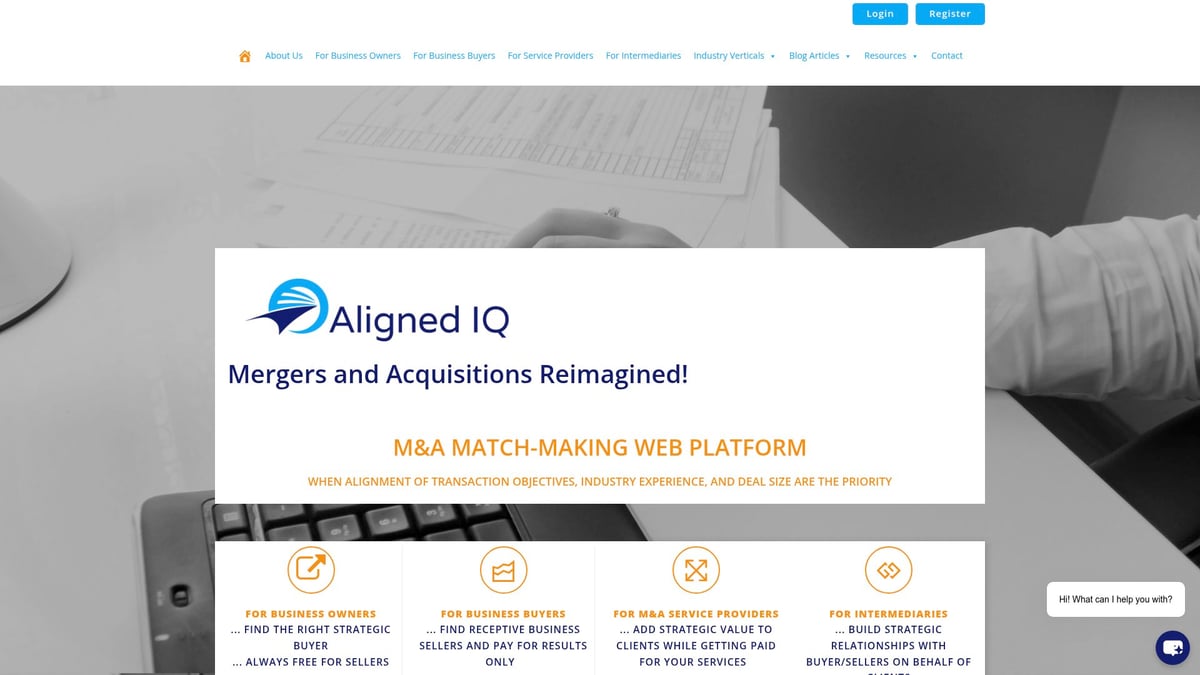
This confidential, relationship-first process reduces upfront costs and protects sensitive information. By flipping the traditional M&A process, Aligned IQ empowers both sides to make informed, risk-managed decisions. Interested in seeing how it works in action? Take a Tour.
Cost Structures, Regulations, and Choosing the Right Advisor
Understanding cost, compliance, and advisor selection is vital in the mergers and acquisitions advisory process. Lower-middle market business owners and buyers must navigate a spectrum of fee models, strict regulations, and a crowded advisory landscape. By breaking down these elements, you can make informed decisions and avoid costly pitfalls.

Fee Models and Typical Costs
Mergers and acquisitions advisory firms typically use a blend of retainer fees and success-based commissions. In the lower-middle market, competition drives more flexible structures than those seen at large investment banks.
| Fee Type | Description | Typical Range |
|---|---|---|
| Retainer | Upfront/monthly fee for ongoing advisory | $5,000–$25,000/month |
| Success Fee | Paid at closing, % of transaction value | 5%–10% |
| Commission | Alternative term for success fee | 5%–10% |
Boutique advisors may adjust fees based on deal complexity and client needs. With mergers and acquisitions advisory, understanding these models helps clients budget, negotiate, and align incentives effectively.
Regulatory and Compliance Considerations
Mergers and acquisitions advisory is subject to strict regulatory oversight. In the US, advisors may need to be registered with the SEC or FINRA, depending on deal type and services offered. Confidentiality and ethical standards are non-negotiable, with disclosure obligations designed to prevent conflicts of interest.
Cross-border transactions introduce additional layers, as advisors must ensure compliance with antitrust laws and international regulations. Regulatory bodies can impose fines for non-compliance, making it essential for both buyers and sellers to confirm their advisor’s credentials and track record.
Criteria for Selecting an M&A Advisor
Selecting the right mergers and acquisitions advisory partner can influence deal outcomes and long-term value. Key criteria include industry expertise, transaction volume, firm size, and cultural fit. Smaller firms often offer personalized attention and proprietary networks, while larger advisors bring more resources.
Client references and proven track records are essential. For a deeper dive into choosing the right partner, explore this comprehensive Sell-side M&A advisory firm selection guide. Ultimately, the right advisor should understand your goals and offer secure, confidential support.
Red Flags and Common Pitfalls
Not all mergers and acquisitions advisory firms are equal. Red flags include lack of relevant experience, missing regulatory credentials, or overpromising on valuations and timelines. Incentives must be aligned—hidden fees or undisclosed conflicts can derail deals.
Business owners should avoid hiring non-specialists, such as generalist lawyers, for complex M&A. A trusted, specialized advisor reduces risk, ensures regulatory compliance, and protects confidentiality throughout the process.
Emerging Trends and Future Outlook for M&A Advisory in 2025
The mergers and acquisitions advisory landscape is evolving rapidly, shaped by technology, shifting priorities, and global market forces. Lower-middle-market participants and private business owners are experiencing new opportunities and challenges as the industry adapts to these changes. Understanding these trends is essential for anyone seeking to optimize their M&A strategy and outcomes.
Technology and Digital Transformation in M&A
Digital transformation is reshaping how mergers and acquisitions advisory services operate. AI-driven data analytics, virtual deal rooms, and secure digital platforms streamline deal sourcing, due diligence, and negotiations. Advisors are leveraging proprietary software to manage confidential documents and analyze deal pipelines faster than ever.
Platforms like DealRoom have set a new standard for efficiency, but lower-middle-market advisors are adopting similar tools tailored for smaller, private transactions. According to the Global M&A Industry Trends: 2025 Outlook, the integration of AI and digital solutions is now a key differentiator in the M&A process. These advances enable more secure, confidential, and data-driven decision-making for buyers and sellers alike.
Human Capital and the “People-First” Imperative
A significant trend in mergers and acquisitions advisory is the shift toward prioritizing human capital at every stage of a transaction. Advisors now recognize that successful integration depends on understanding talent, leadership, and organizational culture.
Firms specializing in lower-middle-market deals place special emphasis on people strategy, as the loss of key employees can undermine value. According to Mercer, only 46% of acquirers use human capital data during deal formulation, yet those who do consistently achieve better results. This people-first approach is becoming a hallmark of forward-thinking M&A advisory engagements.
Cross-Border and Industry-Specific Advisory
Cross-border deals continue to rise, bringing new complexity to mergers and acquisitions advisory services. Navigating regulatory differences, currency risks, and cultural nuances requires specialized expertise. Advisors with global relationships and industry-specific knowledge offer a strategic advantage.
Boutique firms in the lower-middle market are increasingly collaborating internationally, helping clients tap into new markets and diversify. As highlighted in the 2025 M&A Outlook: 4 Trends Driving an Anticipated Rebound, regulatory scrutiny and geopolitical shifts are making trusted advisory relationships more valuable than ever.
ESG, Sustainability, and Stakeholder Considerations
Environmental, social, and governance (ESG) factors are now central to mergers and acquisitions advisory. Buyers and sellers demand alignment on sustainability values, seeking partners who share their commitment to ethical practices.
Advisors help clients assess ESG risks and opportunities, from supply chain impacts to community engagement. In the lower-middle market, this emphasis on stakeholder interests is influencing deal structure and negotiation, ensuring long-term value and reputation protection.
The Rise of Relationship-First and Confidential M&A Platforms
Traditional M&A processes often expose sensitive information too early, posing risks for private business owners. New relationship-first platforms, like Aligned IQ, are changing the game by enabling secure, confidential introductions based on strategic fit and shared values.
Business owners can screen buyers for alignment before sharing details, while buyers present acquisition mandates in a low-risk environment. This shift toward private, trust-based connections is making mergers and acquisitions advisory more accessible, transparent, and effective for lower-middle-market participants.
Maximizing Success: Best Practices for M&A Advisory Engagements
Navigating the complexities of mergers and acquisitions advisory requires more than technical expertise. Success hinges on aligning strategy, people, and process from the start. As deal volume and competition rise, staying ahead means adopting proven best practices and leveraging insights from current M&A Outlook and Strategic Opportunities in 2025 research.
Aligning Strategy, People, and Process
For effective mergers and acquisitions advisory, aligning business strategy with people and process is essential. Start by mapping client goals to a clear transaction roadmap. This roadmap should cover pre-deal planning, deal execution, and post-close integration.
Advisors play a key role in ensuring that talent, leadership, and culture are considered from the outset. In the lower-middle market, this often means engaging with owners early, identifying value drivers, and building integration plans tailored to each business. Mercer’s framework of seven human capital value levers is a useful starting point for maximizing results.
A well-aligned approach reduces surprises and ensures that all stakeholders move forward with confidence.
Communication and Change Management
Transparent communication is the backbone of successful mergers and acquisitions advisory. Proactively inform all stakeholders about progress, next steps, and any anticipated changes.
Effective change management helps accelerate adoption and minimize disruption. Advisors should provide clear Day 1 plans, address concerns, and support leadership as they guide teams through transition. Open dialogue fosters trust and smooths the path to integration.
Leveraging Data and Proprietary Insights
Data-driven decision-making sets great mergers and acquisitions advisory practices apart. Advisors use proprietary databases, analytics, and benchmarks to provide realistic valuations and market comparisons.
Access to private company data and transaction multiples gives clients a competitive edge. Lower-middle-market specialists may use platforms like Aligned IQ to source confidential opportunities and screen buyers for values, industry fit, and expertise.
Informed recommendations build trust and improve deal outcomes.
Continuous Evaluation and Post-Deal Support
Ongoing evaluation is critical in mergers and acquisitions advisory. Post-deal teams monitor integration progress, measure value realization, and help businesses adapt to new challenges.
Continuous support includes check-ins, performance tracking, and adjusting integration plans as needed. This flexible approach increases the likelihood of long-term success and helps clients realize full deal value.
Building Long-Term Advisory Relationships
The best mergers and acquisitions advisory engagements do not end at closing. Advisors become trusted partners, supporting future growth and strategic reviews.
Regular collaboration, follow-up meetings, and honest feedback create lasting value. For business owners and buyers, relationship-first platforms like Aligned IQ offer a confidential, secure way to connect and build trust before negotiations.
Ready to see how a relationship-first approach can transform your M&A journey? Take a Tour today.
As you’ve seen throughout this guide, the world of M&A advisory in 2025 is all about putting people, strategy, and fit at the center of every transaction. Whether you’re considering selling your business, searching for the right acquisition, or just looking to better understand the process, having access to innovative tools and expert support is key. If you want to see how a forward-thinking platform like Aligned IQ is transforming the M&A experience for business leaders like you, I invite you to Take a Tour!
No responses yet