

Acquiring a business remains one of the fastest ways to accelerate growth and enter new markets in 2025. In today’s competitive landscape, lower-middle market buyers and sellers face both unprecedented opportunities and complex challenges. This guide provides a clear, step-by-step approach to acquiring a business, covering every essential phase: defining acquisition goals, sourcing the right opportunities, performing due diligence, structuring and negotiating the deal, closing, and ensuring seamless post-acquisition integration. By following these proven steps, you can minimize risk, maximize value, and confidently navigate the acquisition process. Ready to succeed? Let’s get started.
Step 1: Define Your Acquisition Strategy and Objectives
Acquiring a business starts with a clear, actionable strategy. Lower-middle market buyers face unique challenges and opportunities, so defining your objectives upfront is essential for a successful acquisition journey.

Clarify Acquisition Goals
Begin by identifying your primary reasons for acquiring a business. Are you seeking expansion into new markets, diversification, access to talent, or new technology? Distinguish whether you are a strategic or financial buyer, as this shapes your approach. Set measurable objectives such as revenue growth, market share increase, or specific operational synergies.
For example, a lower-middle market manufacturer might pursue acquiring a business to gain a foothold in a new regional market. For a deeper dive into planning, explore acquisition strategies for growth to align your goals with proven frameworks.
Assess Financial Readiness and Resources
Evaluate your available capital and financing options before acquiring a business. Common sources include bank loans, SBA loans, and private equity. The size of the acquisition will impact your financing structure and risk profile.
Prepare a realistic acquisition budget. Account for purchase price, advisory fees, legal expenses, and integration costs. Early financial planning helps avoid surprises and ensures you can move quickly when the right opportunity arises.
Determine Target Business Criteria
Define what your ideal acquisition looks like. Set specific criteria for business size, industry, location, and operational strengths. Use data-driven analysis to shortlist sectors with high growth or consolidation potential.
For instance, you may target companies with $2M–$10M EBITDA in specialty services. Establishing clear benchmarks helps you filter opportunities and stay focused on businesses that match your investment thesis.
Assemble Your Acquisition Team
Building the right team is critical when acquiring a business. Engage legal counsel, accountants, M&A advisors, and industry consultants with lower-middle market experience. Their expertise will help you navigate complex issues and assess risks unique to your sector.
Confidentiality is vital. Ensure all team members follow strict protocols to prevent conflicts of interest and protect sensitive information throughout the process.
Set a Timeline and Milestones
Map out a realistic timeline for each phase of acquiring a business. Typical lower-middle market acquisitions close within 6 to 12 months, but every deal is unique.
Set clear milestones for sourcing, due diligence, negotiations, and integration planning. Tracking progress against these benchmarks keeps your team aligned and the process on schedule.
Step 2: Source and Evaluate Acquisition Opportunities
Sourcing the right opportunities is a pivotal step in acquiring a business, especially for lower-middle market buyers and sellers. Identifying the best-fit targets early can save time, reduce risk, and set the stage for a seamless acquisition journey.
Explore Acquisition Channels
When acquiring a business, sourcing starts with selecting the right channels. Proprietary sourcing—reaching out directly to business owners—can uncover off-market deals with less competition. Traditional intermediaries, such as business brokers and M&A advisors, offer industry connections but may present only widely-shopped opportunities.
Networking in industry associations, attending conferences, and leveraging peer referrals often unlock semi-proprietary deals. For example, a lower-middle market manufacturer might find its next acquisition through a regional trade event rather than a public listing.
Online Marketplaces and Platforms
Online business-for-sale marketplaces have transformed how buyers and sellers connect. These platforms provide broad exposure, searchable listings, and initial screening tools. However, for lower-middle market participants, public listings can attract tire-kickers and raise confidentiality concerns.
Recent trends show increased adoption of digital platforms for early-stage evaluations, allowing for efficient filtering of potential targets. Still, many quality businesses avoid public exposure, preferring more discreet channels.
Confidentiality and Discretion in Deal Sourcing
Confidentiality is critical when acquiring a business, particularly for owner-operators. Publicly listed opportunities risk alerting employees, customers, or competitors, which may disrupt operations or erode value.
Sellers often hesitate to list openly due to fears of unwanted attention or business instability. For lower-middle market transactions, maintaining privacy throughout sourcing preserves trust and minimizes risks unique to closely-held enterprises.
How Aligned IQ Transforms Sourcing for Buyers and Sellers
Aligned IQ offers a secure, proprietary B2B web platform that redefines how acquiring a business is approached. Unlike traditional processes, Aligned IQ prioritizes strategic fit before deep due diligence, reducing wasted time and unnecessary exposure.
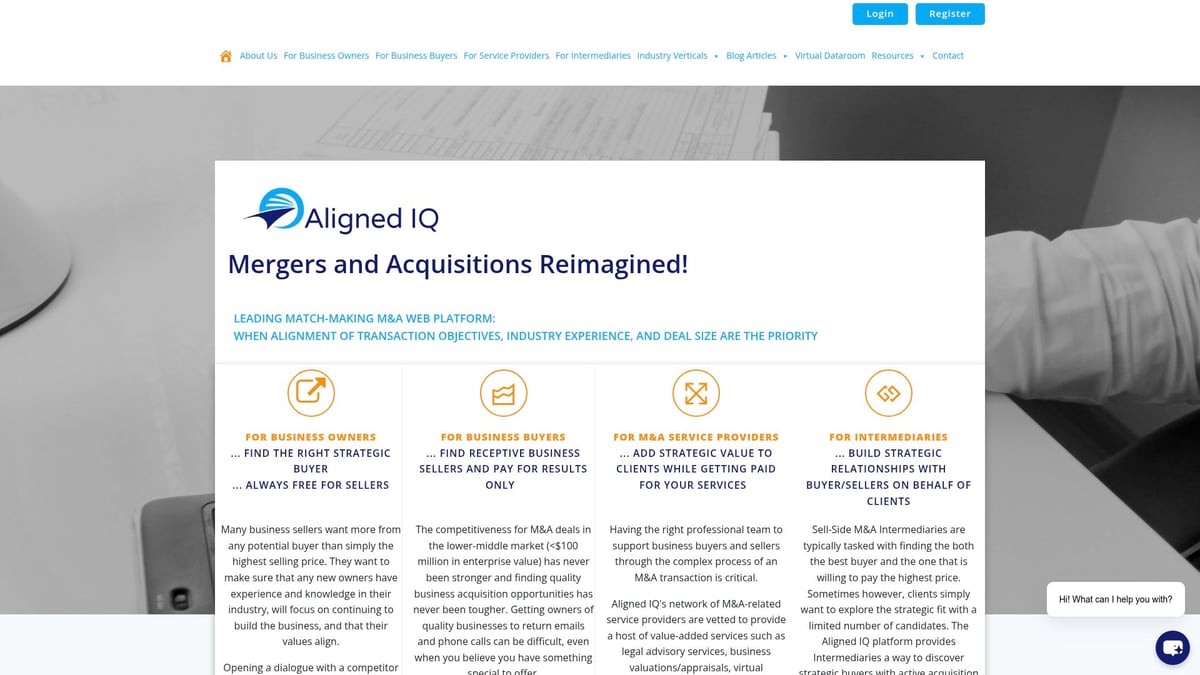
Key benefits include:
- Confidential, industry-specific matchmaking
- Private, low-risk connections between vetted buyers and sellers
- Secure document exchange and communication
For those seeking a discreet, efficient path, Aligned IQ is designed to meet the unique needs of the lower-middle market. Take a Tour to see how it works.
Initial Screening and Fit Assessment
The first stage of evaluating potential targets focuses on key criteria: financial health, cultural compatibility, and strategic alignment. Early screening helps buyers avoid investing resources in businesses that do not fit their objectives.
For example, quickly filtering out targets with incompatible business models or misaligned values ensures resources are spent only on the most promising opportunities. This disciplined approach is essential for success when acquiring a business.
Step 3: Conduct Comprehensive Due Diligence
A successful approach to acquiring a business depends on thorough due diligence. For lower-middle market buyers and sellers, this phase is where risks are uncovered, and value is validated. The due diligence process should be tailored to the unique characteristics of each deal, focusing on both financial and operational factors.

Prepare a Due Diligence Checklist
Start by building a comprehensive checklist that covers all critical areas: financials, operations, legal, HR, technology, and environmental concerns. For lower-middle market deals, pay extra attention to owner involvement and informal processes. Customizing your checklist ensures key risks are not overlooked. For a deeper look at best practices, visit the Pre-sale due diligence process. This careful preparation is essential when acquiring a business.
Financial Due Diligence
Analyze historical financial statements, tax returns, and cash flow projections. Look for inconsistencies, hidden debts, or off-balance-sheet obligations. In acquiring a business, even small discrepancies can signal larger issues. For instance, a family-owned distributor may have unrecorded liabilities. Scrutinizing these details reduces surprises at closing and builds trust between buyer and seller.
Legal and Regulatory Review
Verify that all business licenses, contracts, and intellectual property rights are valid and transferable. Confirm compliance with local and industry-specific regulations. For example, manufacturing companies must meet environmental standards, while healthcare providers face strict licensing requirements. Identifying legal gaps or expired permits early in the acquiring a business process helps avoid costly setbacks.
Operational and Commercial Assessment
Evaluate customer concentration, supplier agreements, and the scalability of technology systems. When acquiring a business, losing a major client post-transaction can impact revenue projections. Assess the stability of relationships and the reliability of critical processes. A target with diversified customers and modern infrastructure is more likely to deliver lasting value.
Management and Cultural Fit
Leadership continuity and employee retention are crucial for post-acquisition success. Assess whether key managers will stay and how well company cultures align. In lower-middle market deals, the founder’s ongoing involvement can ease transitions. A strong cultural fit reduces integration risks and supports your overall strategy for acquiring a business.
Use of Virtual Data Rooms
Secure virtual data rooms facilitate safe sharing of sensitive documents during due diligence. They help maintain confidentiality, especially when using proprietary platforms like Aligned IQ. Best practices include limiting access, tracking document views, and ensuring all parties understand confidentiality protocols. A secure data room streamlines the review process for both buyers and sellers.
Step 4: Structure the Deal and Negotiate Terms
Structuring the right deal is a pivotal phase when acquiring a business. Lower-middle market transactions require careful consideration of structure, valuation, negotiation, and financing to ensure risk is minimized and value is maximized. A methodical approach will help both buyers and sellers navigate complexities and protect their interests at every stage.

Choose the Right Deal Structure
Selecting the optimal deal structure is crucial for both risk management and tax efficiency. In the lower-middle market, asset purchases are often favored to avoid legacy liabilities, while stock purchases can streamline transitions.
| Deal Structure | Pros | Cons |
|---|---|---|
| Asset Purchase | Avoids liabilities, tax benefits | May require asset retitling |
| Stock Purchase | Simpler for continuity | Buyer assumes all liabilities |
| Merger | Synergy potential | Complex integration |
For example, a specialty services firm acquiring a business may opt for an asset deal to protect against unforeseen claims. Consult with legal and tax advisors to understand implications for your specific situation.
Valuation and Pricing Strategies
Determining the right price is both art and science. Lower-middle market deals often use EBITDA multiples, typically in the 4-6x range, adjusted for growth and sector trends. Discounted cash flow analysis can supplement this approach.
Valuation gaps can emerge when buyer and seller expectations differ. Techniques like earnouts or seller notes may help bridge these differences. For a detailed look at resolving such challenges, see Bridging valuation gaps in M&A.
When acquiring a business, benchmarking against recent transactions in your industry helps ensure fair pricing and supports negotiations.
Drafting the Letter of Intent (LOI)
The LOI is the first formal document outlining deal terms, including price, structure, exclusivity, and confidentiality. In lower-middle market transactions, LOIs often mix binding and non-binding clauses.
A well-drafted LOI protects both parties before incurring major expenses. For example, a buyer acquiring a business in manufacturing may use the LOI to secure key terms and initiate exclusivity before due diligence deepens.
Negotiating Representations, Warranties, and Indemnities
Negotiation of reps, warranties, and indemnities is essential to allocate risk. Buyers typically seek assurances on financials, compliance, and operations, while sellers aim to limit exposure.
Survival periods and caps define the duration and amount of liability. In manufacturing deals, environmental reps are often hotly debated. Clear documentation helps avoid disputes and supports a smoother transition for those acquiring a business.
Financing the Acquisition
Financing options in the lower-middle market include traditional lenders, SBA loans, seller financing, and private equity. Each has its advantages and limitations.
Seller notes are common for bridging valuation gaps or aligning interests. When acquiring a business, understand how your financing choice affects deal structure, closing timeline, and integration planning.
Regulatory and Third-Party Approvals
Securing necessary approvals is the final hurdle prior to closing. This may include antitrust clearance, industry-specific licenses, or landlord consents.
Prepare required documentation early and maintain open communication with stakeholders. For lower-middle market deals, regulatory requirements are often less complex but still require careful attention to detail.
Step 5: Closing the Transaction
As you approach the final stage of acquiring a business, attention to detail is critical. This phase safeguards your investment and ensures a seamless transfer of ownership. Closing is where thorough preparation, strategic communication, and secure processes come together for a successful outcome.
Final Due Diligence and Confirmatory Steps
Before acquiring a business, conduct final checks to confirm the accuracy of all information provided. Request updated financials, legal clearances, and inventory counts. Lower-middle market buyers often discover material changes at this stage, like inventory fluctuations or new liabilities. These last-minute reviews help prevent surprises and protect your interests.
Preparing Closing Documentation
Draft a definitive purchase agreement that outlines all deal terms, including price and payment structure. Prepare ancillary documents such as:
- Non-compete agreements
- Employment contracts
- Transition service agreements
Work closely with legal counsel to ensure every clause reflects your objectives and maintains confidentiality throughout the process.
Escrow and Holdback Arrangements
Escrow and holdback provisions are common safeguards when acquiring a business. Escrows protect buyers by holding a portion of the purchase price to cover potential indemnity claims. Typical lower-middle market terms range from 5 to 15 percent of the deal value, held for 12 to 24 months, depending on deal complexity.
Funds Transfer and Ownership Transition
Coordinate wire transfers and release of funds through a secure process. Transfer assets or shares according to the purchase agreement. Develop a detailed checklist for handover tasks, including access to systems, physical premises, and customer communications. This structured approach helps ensure a smooth transition for both parties.
Communication with Stakeholders
Plan stakeholder communication carefully to avoid disruption. Announce the acquisition to employees, customers, and suppliers in a phased manner. For owner-operator transactions, maintaining confidentiality until closing is essential. Sector trends, as highlighted in Trends Shaping the Middle Market M&A Landscape in 2025 and Beyond, show that effective stakeholder management can protect value and reputation.
Post-Closing Obligations
Immediately after acquiring a business, fulfill post-closing obligations such as regulatory filings, notifications, and compliance checks. Set expectations for transition support and monitor deliverables. By following this approach, you reduce risk and set the stage for long-term value creation. Ready to experience a secure, confidential closing? Take a Tour.
Step 6: Post-Acquisition Integration and Value Creation
Successfully acquiring a business is only the beginning. To maximize value, lower-middle market buyers must execute a thoughtful integration plan, retain talent, and actively manage change. A proprietary, confidential approach like Aligned IQ’s is especially valuable during this stage, ensuring a smooth transition while minimizing disruption.
Develop an Integration Plan
Create a clear roadmap for integrating operations, technology, and culture. Assign integration leaders and cross-functional teams to oversee each phase. Set milestones for critical tasks like systems alignment, customer communication, and process harmonization.
A detailed plan reduces risk and ensures the benefits of acquiring a business are realized quickly. Proprietary platforms like Aligned IQ support seamless, confidential transitions, avoiding the pitfalls of traditional, public dealmaking.
Retain Key Talent and Customers
Talent and customer retention are vital for stability. Offer retention bonuses, earn-outs, or new growth opportunities to key staff. Communicate transparently with clients to reinforce trust and continuity.
List of retention strategies:
- Early engagement with leadership
- Clear incentives for high performers
- Personalized outreach to top clients
Monitor Performance and Synergy Realization
Establish KPIs to track integration progress and value creation. Regularly review operational, financial, and cultural metrics to ensure targets are met. For insight into evolving best practices, review the Global M&A industry trends: 2025 outlook for benchmarks and lessons.
Sample KPIs table:
| KPI | Target | Review Frequency |
|---|---|---|
| Revenue Growth | 10% increase | Quarterly |
| Customer Retention | 95%+ | Monthly |
| Synergy Savings | $500k/year | Quarterly |
Address Cultural and Change Management Challenges
Cultural alignment determines long-term success. Facilitate workshops, encourage open dialogue, and provide change management resources to ease transitions. Address concerns promptly to foster buy-in and minimize resistance.
Strong communication and leadership engagement are essential for integrating two distinct teams into one cohesive organization.
Continuous Improvement and Feedback Loops
Solicit feedback from employees and customers regularly. Use lessons learned during integration to refine future processes. Document best practices and challenges to build a stronger foundation for your next time acquiring a business.
This ongoing improvement not only drives value, but also strengthens your internal M&A capabilities. Ready to minimize risk and maximize results? Take a Tour.
As you can see, acquiring a business in 2025 is all about putting strategy and fit first—from clarifying your objectives to making sure every step, from sourcing to integration, is collaborative and confidential. If you’re ready to experience a more tailored, private way to find the right match and streamline your M&A journey, I encourage you to see how Aligned IQ can help. You’ll discover a secure platform designed for business owners and buyers who value strategic alignment and efficiency. Curious to see how it works in practice Take a Tour!
No responses yet